By Irum Saleem
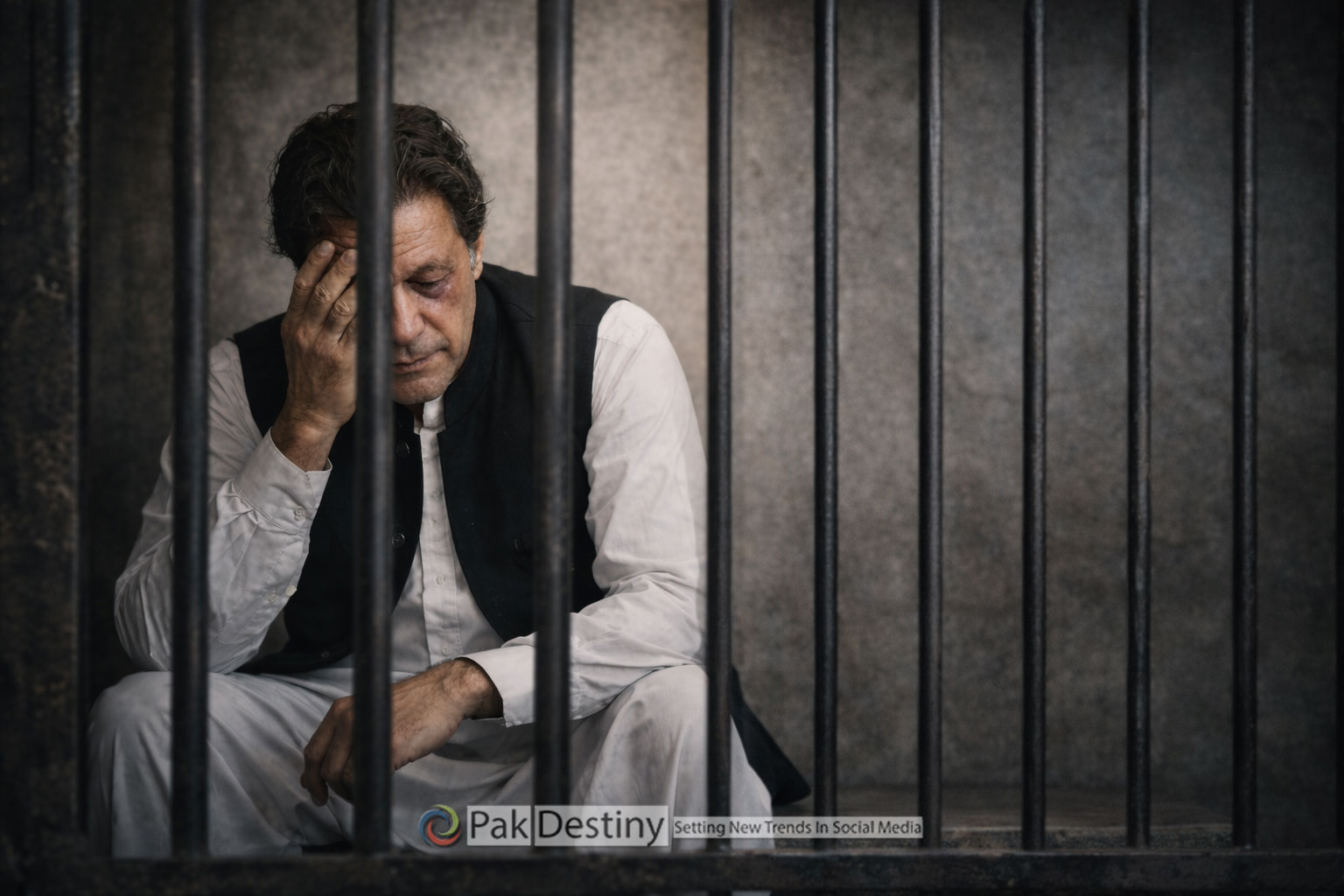
The reports regarding former prime minister Imran Khan’s eye infection and the demand by his party for hospital-based treatment have once again brought Pakistan’s justice system, prison standards, and political environment under intense public scrutiny.
ڈاکٹر کہہ رہے ہیں PM عمران خان کی بینائی کا ہسپتال میں علاج ہونا چاہیے مگر جیل انتظامیہ جیل میں ہی علاج پر بضد ہے۔ سیاسی انتقام میں اندھے حکمرانوں کو نہ جیل قوانین کے مطابق قیدیوں کے حقوق کا لحاظ ہے اور نہ انسانیت کا کوئی پاس۔
— Moonis Elahi (@MoonisElahi) January 28, 2026
Pakistan Tehreek-e-Insaf senior leader and former federal minister Moonis Elahi lambasted the PMLN government for its apathy towards the party supremo’s health.
Moonis Elahi said ina post on X: “Doctors say that former Prime Minister Imran Khan’s eyesight should be treated in a hospital, but the jail authorities are insisting on providing treatment inside the prison. In their political vendetta, the blind rulers neither respect prisoners’ rights under jail laws nor show any regard for humanity.”
On one hand, healthcare is a basic human right, guaranteed not only by the Constitution but also by international human rights conventions to which Pakistan is a signatory.
This is a serious and rapidly escalating concern. Central Retinal Vein Occlusion (CRVO) requires immediate medical attention and may indicate serious underlying health conditions. It is imperative that accurate and responsible medical attention and information be provided… https://t.co/5oFmi8cEw7
— Sayed Z Bukhari (@sayedzbukhari) January 28, 2026
If medical professionals have advised that specialized treatment should be conducted in a hospital setting, the matter should be treated strictly as a medical and humanitarian issue, not a political one.
Prison authorities are legally bound to ensure that detainees receive appropriate healthcare without discrimination, regardless of their political identity.
On the other hand, PTI’s appeal regarding Imran Khan’s health must also be viewed in the broader political context. Political parties often highlight such cases to mobilize support, shape public perception, and strengthen narratives of victimization.
While this does not automatically invalidate their concerns, it does underscore the need for credible, transparent medical assessments rather than media-driven claims and counterclaims.
The government’s response, therefore, carries significant responsibility. A rigid or insensitive approach risks reinforcing perceptions of political victimization, while silence or lack of transparency fuels speculation. Demonstrating empathy, ensuring independent medical evaluation, and communicating openly would not only uphold the rule of law but also strengthen institutional credibility.
Ultimately, this issue should not be reduced to political point-scoring.
“
It is a test of Pakistan’s commitment to human dignity, legal standards, and ethical governance. How the state handles the health of a high-profile prisoner sets a precedent for how ordinary prisoners will be treated — and that is a matter of national importance,” Mr Moonis said.