By Irum Saleem
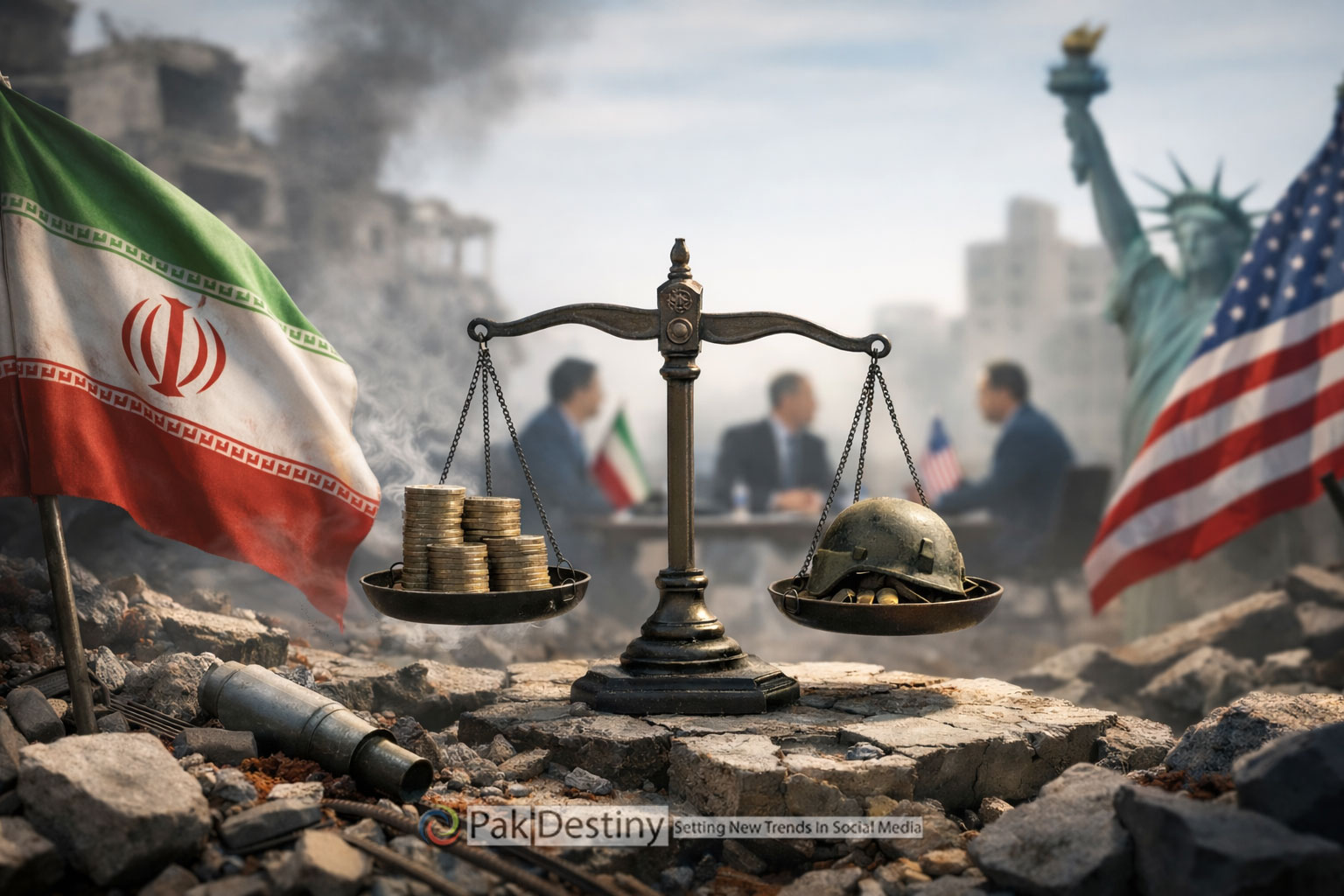
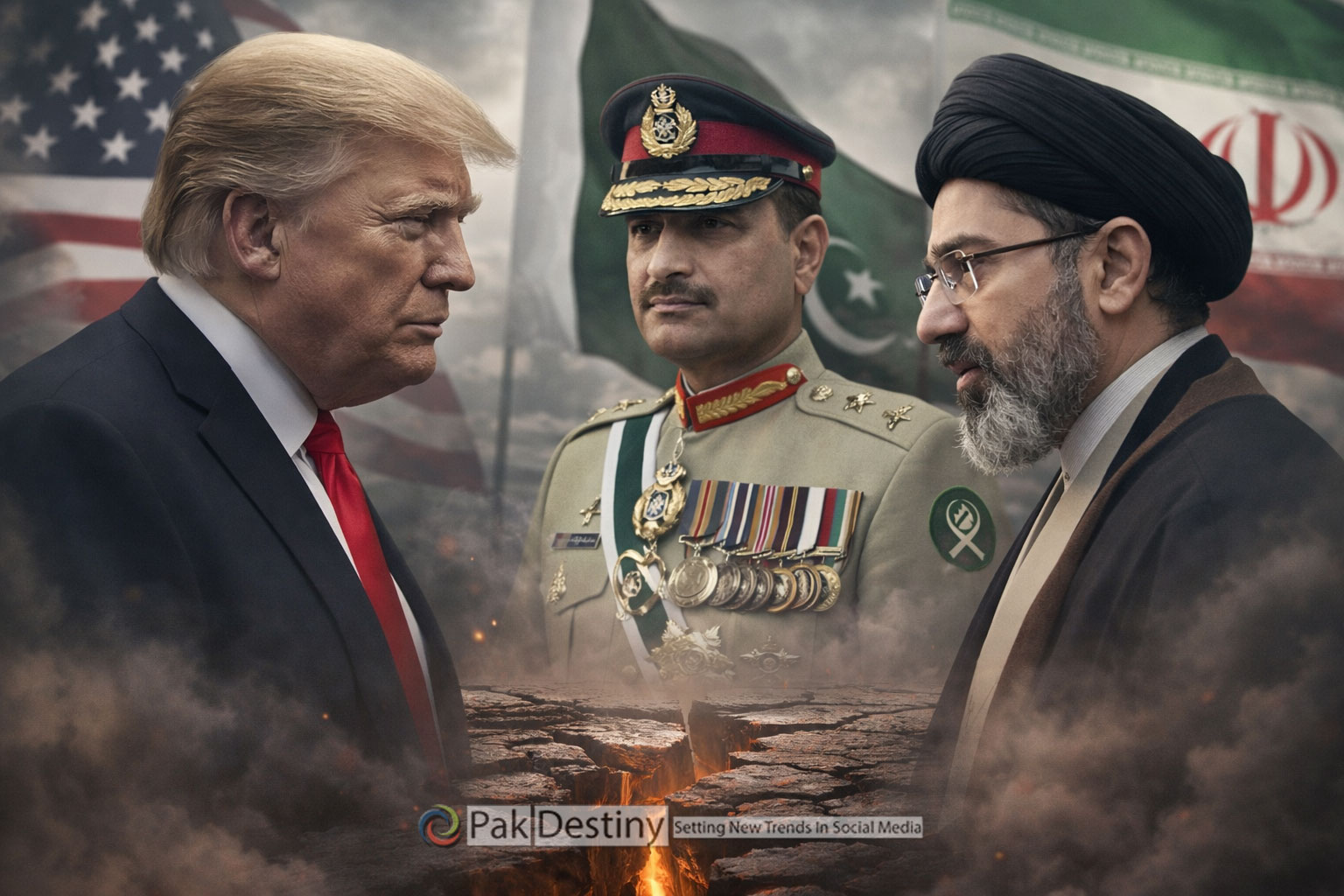
Amid rising tensions between the United States and Iran, hopes for peace flickered briefly in Islamabad—only to fade just as quickly.
However, Donald Trump has signalled second round of talks in Islamabd in next two days to reach an agreement with Iran.
Delegations from both sides had gathered in the Pakistani capital for what many quietly described as a crucial opportunity to de-escalate months of hostility last Saturday. The talks were intense, complex, and—according to insiders—surprisingly close to success. Iran’s Foreign Minister, Abbas Araghchi, later revealed that the two sides were “inches away” from an understanding, an informal framework some were already calling the “Islamabad MoU.”
But diplomacy is often fragile. As the delegations departed without a deal, the mood shifted dramatically.
Back in Washington, Donald Trump took to social media. In a series of sharp and combative statements, he warned Iran that American forces were “locked and loaded,” signaling readiness for military action. He went a step further, announcing that the US would impose a blockade on the Strait of Hormuz—a vital global oil route—targeting vessels linked to Iran.
The remarks sent shockwaves through diplomatic circles. What had been a delicate moment for negotiation now risked turning into a flashpoint for conflict.
The Strait of Hormuz, a narrow but critical passage for global energy supplies, suddenly became the center of attention. Any confrontation there between US and Iranian forces could quickly spiral into a broader conflict, disrupting international trade and pushing the region toward instability.
Meanwhile, the rhetoric did not stop there. Even global voices calling for peace came under fire. When Pope Leo XIV strongly condemned war and urged restraint, Trump dismissed him, saying he was “not a big fan.” The Pope, however, remained firm, insisting he would continue to speak out against violence.
Despite the rising tension, a different narrative quietly persisted beneath the surface.
Reports suggested that before earlier escalations, Iran had shown willingness to make meaningful compromises on its nuclear program—though not to abandon it entirely—during talks facilitated by regional mediators.
This raised an important question: was peace still possible?
Many observers believe it is—but only under the right conditions. Respectful engagement, consistent diplomacy, and a willingness to compromise on both sides could still open the door to resolution. Countries like Pakistan, which hosted the talks, and other neutral actors could play a key role in bridging the divide.
For now, however, the path to peace remains uncertain.
The story of the Islamabad talks serves as a reminder of how close diplomacy can come to success—and how quickly it can be derailed. In a conflict where every word matters, the difference between peace and escalation may lie not just in policy, but in tone.
And as tensions linger over the waters of the Strait of Hormuz, the world watches—hoping that dialogue, not confrontation, will ultimately prevail.