By Zulqernain
When the Abraham Accords were signed at the White House in September 2020, the agreements were presented as a historic breakthrough that could reshape the Middle East.
Supporters called them a triumph of diplomacy and pragmatism; critics described them as a geopolitical bargain struck at the expense of the Palestinian cause.
Nearly six years later, the accords remain one of the most consequential and controversial diplomatic realignments in the modern Muslim world.
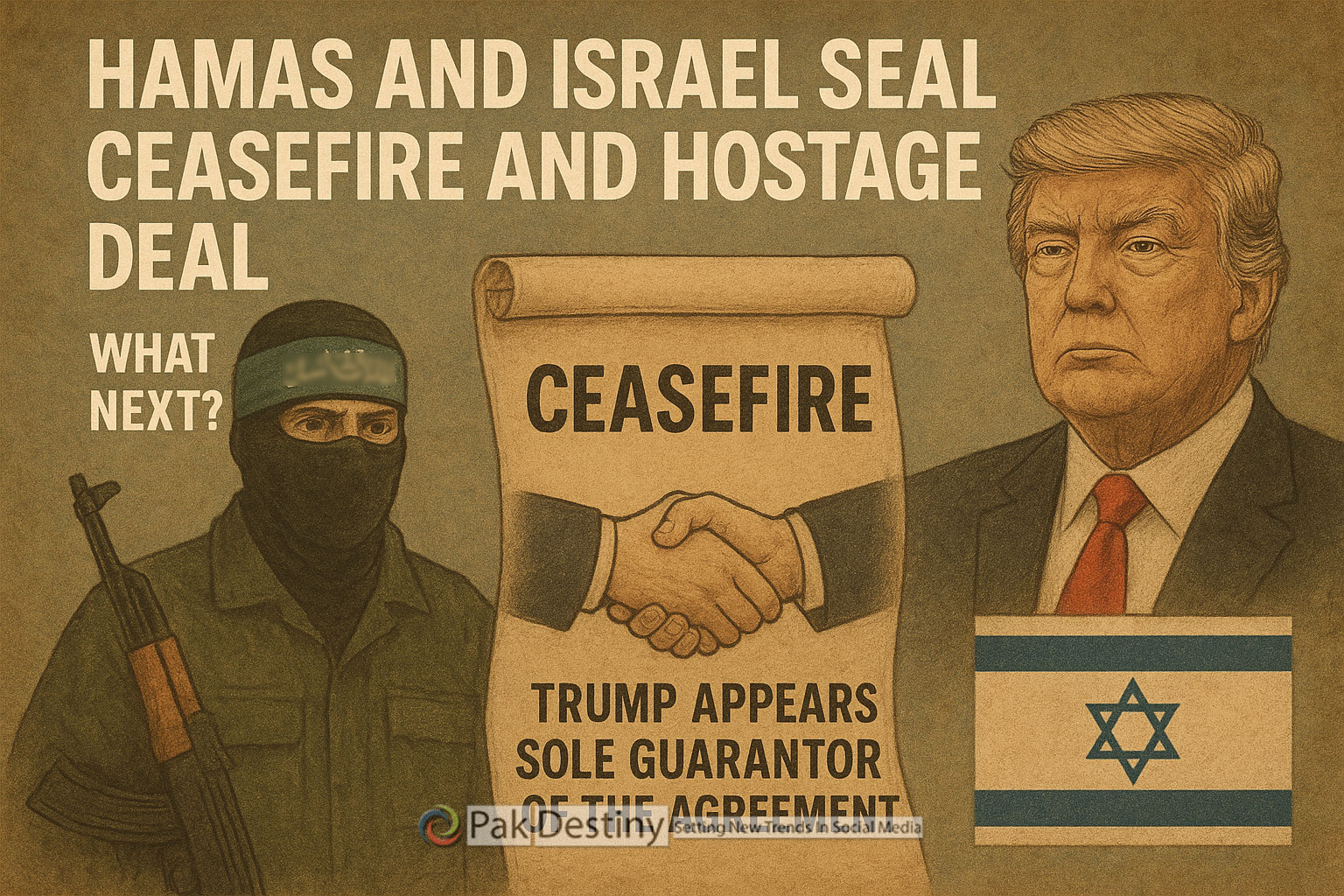
The agreements, brokered by the administration of Donald Trump, formally normalised relations between Israel and several Muslim-majority states, beginning with the United Arab Emirates and Bahrain, followed later by Morocco and Sudan.
The accords marked a dramatic departure from decades of Arab diplomatic doctrine that linked recognition of Israel to the creation of an independent Palestinian state.
For many in the Muslim world, the move symbolised a new era driven less by ideology and more by economic interests, security cooperation and regional power politics.
A strategic shift in the Muslim world
For decades, Arab governments publicly adhered to the principle that normalisation with Israel could only follow a just resolution of the Palestinian issue under the framework of the Arab Peace Initiative of 2002.
The Abraham Accords effectively reversed that sequence. Instead of “land for peace,” the new doctrine promoted “peace for mutual interests.”
The Gulf monarchies increasingly viewed Israel not merely as a former adversary but as a strategic partner in areas ranging from cybersecurity and artificial intelligence to defence and trade. Shared concerns over the growing regional influence of Iran accelerated this convergence.
The UAE, in particular, emerged as the leading advocate of this new regional vision.
Emirati officials argued that engagement with Israel would deliver economic modernisation, technological advancement and greater regional stability.
Within months of the accords, trade agreements worth billions of dollars were signed.
Direct flights connected Tel Aviv with Dubai, tourists began travelling openly, and business forums multiplied across sectors including energy, agriculture and defence technology.
The Palestinian Question
Yet the accords also triggered deep anger across many Muslim societies.
The Palestine Liberation Organization condemned the agreements as a betrayal, arguing that Arab states had abandoned decades of collective support for Palestinian statehood.
For Palestinians, the accords represented not merely diplomatic normalisation but the erosion of their leverage in regional politics.
The criticism intensified after the Gaza conflicts that followed, particularly amid widespread devastation and civilian casualties in the enclave.
Public opinion across many Muslim-majority countries hardened sharply against Israel, placing governments that had embraced normalisation under mounting domestic pressure.
The war exposed the widening gap between state-level strategic calculations and public sentiment within the Muslim world.
Even in countries where governments pursued quiet engagement with Israel, large sections of society remained deeply sympathetic to the Palestinian cause.
Saudi Arabia: the missing cornerstone
No country has been watched more closely in this process than Saudi Arabia.
As custodian of Islam’s two holiest sites and one of the Arab world’s most influential powers, Saudi recognition of Israel would represent the most transformative expansion of the Abraham Accords.
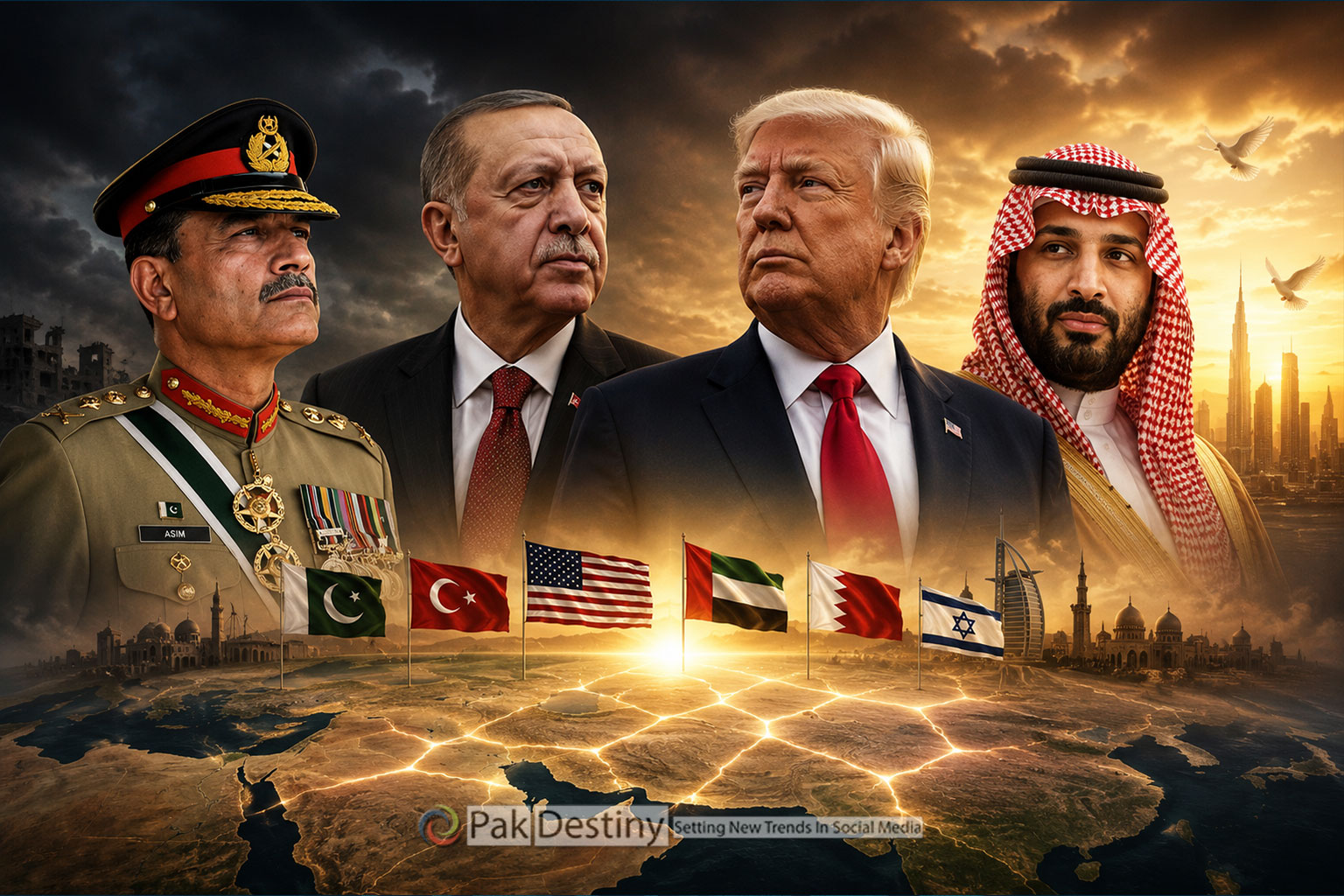
Although Riyadh has not formally joined the accords, reports over recent years suggested advanced US-mediated negotiations involving security guarantees, civilian nuclear cooperation and broader strategic arrangements.
However, the Gaza war complicated the process dramatically.
Saudi leaders reiterated that any future normalisation would require credible steps toward Palestinian statehood, reflecting both domestic sensitivities and broader Islamic sentiment.
The kingdom now finds itself balancing strategic cooperation with Washington against its religious and political responsibilities in the Muslim world.
Pakistan’s position
Pakistan has consistently maintained that it cannot recognise Israel without a just settlement of the Palestinian issue.
Successive Pakistani governments, military leaders and religious parties have publicly reaffirmed support for Palestinian self-determination.
Yet debates inside Pakistan have become increasingly nuanced.
Some policymakers and analysts argue that changing regional realities require Islamabad to reassess its long-term diplomatic posture, particularly as Gulf allies deepen ties with Israel.
Others insist that any shift would provoke intense public backlash and undermine Pakistan’s historical commitment to Palestine.
For now, Pakistan remains outside the Abraham Accords framework, though the regional debate surrounding recognition continues quietly in diplomatic and academic circles.
Türkiye, Iran and competing visions
The Abraham Accords also deepened strategic divisions within the Muslim world.
Türkiye pursued a complex balancing strategy — maintaining diplomatic ties with Israel while simultaneously presenting itself as a vocal defender of Palestinian rights.
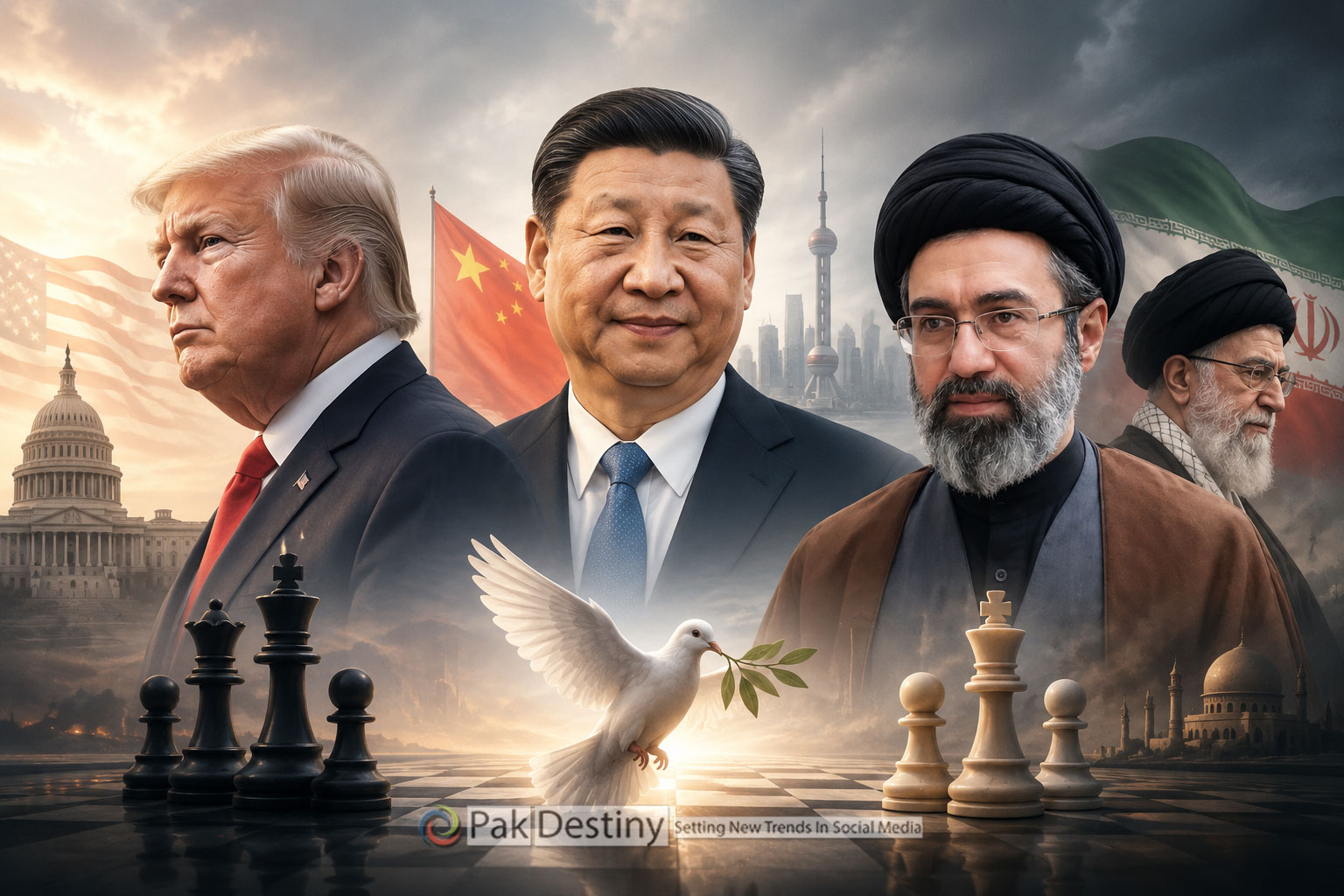
Meanwhile, Iran emerged as one of the fiercest opponents of the accords, portraying them as an American-Israeli project aimed at isolating Tehran and reshaping the Middle East security order.
Iranian leaders repeatedly accused Gulf states of enabling Israeli influence in the region, while Tehran-backed groups intensified anti-Israel rhetoric across multiple fronts.
Thus, the accords became more than diplomatic agreements; they evolved into competing visions of the future Middle East.
One vision prioritised economic integration, security alliances and strategic pragmatism.
The other emphasised ideological resistance, anti-Israel mobilisation and solidarity with Palestine.
Economic promise versus political reality
Economically, the accords generated measurable gains.
Trade between Israel and the UAE surged rapidly, tourism expanded, and joint ventures emerged in finance, renewable energy and technology. Defence cooperation also quietly deepened.
But politically, the accords remain fragile.
The Gaza conflict revealed the limitations of state-to-state diplomacy in a region where public opinion still strongly identifies with Palestinian suffering.
Images of destruction in Gaza reignited anger across Muslim societies and forced several governments to recalibrate their public messaging.
The accords did not eliminate the Palestinian issue; rather, they temporarily shifted it from the centre of official diplomacy while leaving its emotional and political power intact among ordinary Muslims.
A changing Islamic geopolitical landscape
The broader significance of the Abraham Accords lies in how they reflect a changing Islamic geopolitical landscape.
The old Arab nationalist framework that once dominated Middle Eastern politics has weakened considerably.
In its place, a more fragmented order has emerged, shaped by economic competition, technological ambitions, sectarian rivalries and global power alignments involving the United States, China and Russia.
Many Muslim-majority states today increasingly prioritise national interests, economic diversification and regime stability over ideological unity.
Yet Palestine continues to retain extraordinary symbolic resonance across the Muslim world.
This tension — between strategic pragmatism at the state level and emotional solidarity at the public level — defines the central contradiction of the Abraham Accords era.
Whether the accords ultimately become the foundation of a stable new Middle East or merely a temporary geopolitical arrangement will depend largely on one unresolved question: can regional normalisation coexist with the continued absence of a Palestinian state?
For now, the Muslim world remains divided between those embracing a new diplomatic realism and those who see the accords as a historic abandonment of one of Islam’s most enduring political causes.