Staff Report
In what could mark a defining shift in Pakistan’s education landscape, the Punjab Education Curriculum, Training and Assessment Authority has launched sweeping reforms targeting primary education, aiming to replace decades-old rote learning practices with a dynamic, concept-driven approach.
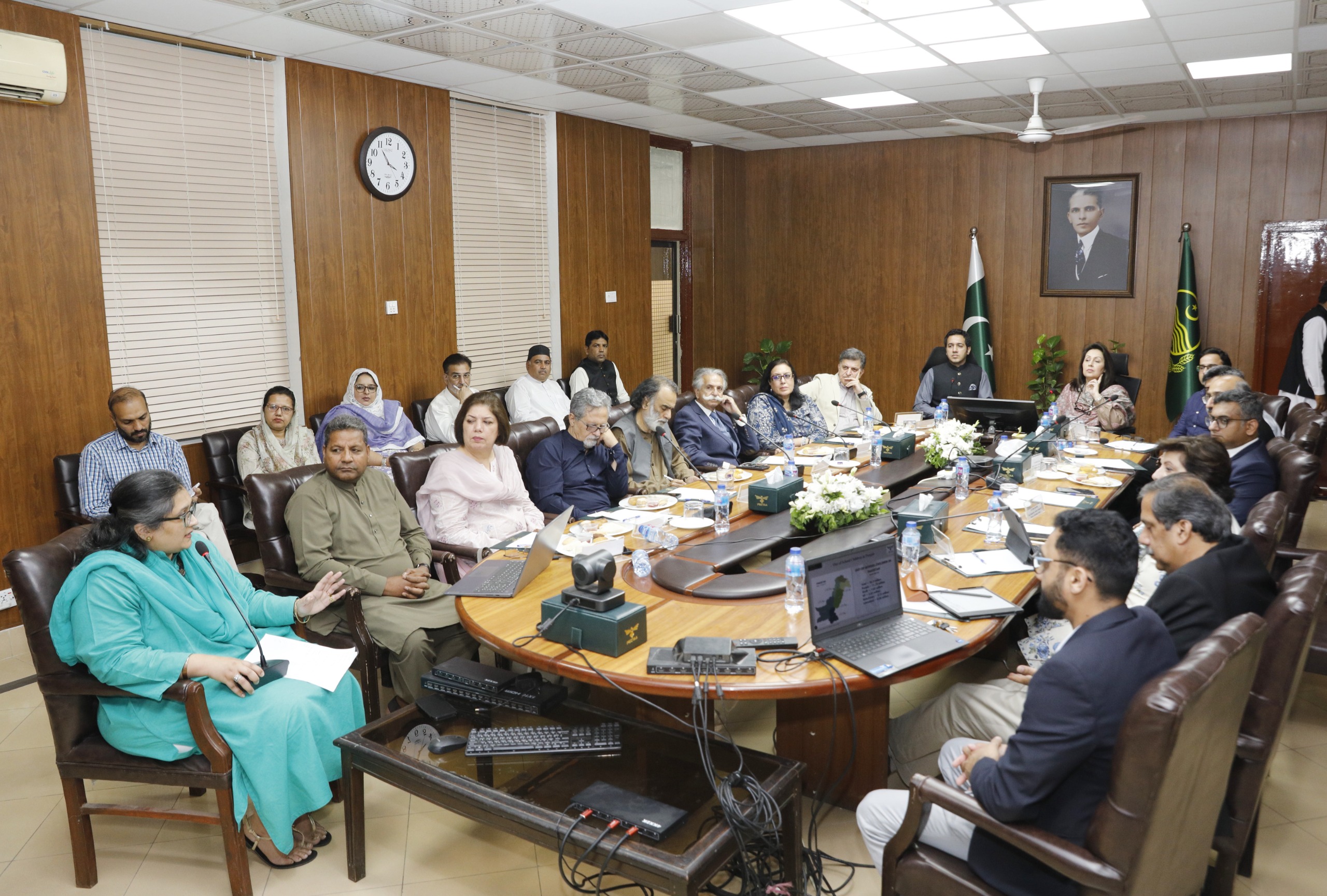
The initiative, formally set in motion during the inaugural meeting of the Curriculum Advisory Committee on Saturday, signals a major rethink of how young students in Punjab learn, think, and engage with knowledge.
The meeting was jointly chaired by Parliamentary Secretary for School Education Nausheen Adnan and PECTAA Vice Chairman Musa Ali Bukhari.
At the center of the reform agenda is a critical focus on Grades I to V—the formative years widely considered the foundation of a child’s intellectual development. Officials say the current system, long criticized for overburdening students with content-heavy syllabi, will undergo comprehensive redesign.
A keynote presentation by Dr. Zubda Ziaur Rehman laid out both the shortcomings of the existing curriculum and a forward-looking reform framework. Her briefing set the tone for what participants described as a “transformational moment” in Punjab’s education policy.
According to PECTAA, the committee has been tasked with a deep review of Student Learning Outcomes (SLOs)—a move expected to significantly reduce their volume, eliminate duplication, and refocus them around core conceptual competencies rather than memorisation. The goal is clear: move beyond textbooks packed with facts to a system that fosters critical thinking, comprehension, and adaptability.
“This is not just a curriculum revision—it’s a philosophical shift,” an official familiar with the discussions noted, emphasizing that the reforms aim to cultivate inquiry-based learning and real understanding among students.
The meeting brought together a broad coalition of education leaders and institutions, reflecting both national commitment and international interest in the reform process.
Representatives from University of Education
Lahore, Lahore University of Management Sciences, Beaconhouse School System, Society for the Advancement of Education, and Pakistan Institute of Education participated in person.
International and national experts joined virtually from globally recognized organizations such as Aga Khan University Institute for Educational Development, World Bank, Japan International Cooperation Agency, and The Citizens Foundation—highlighting the scale and significance of the initiative.
Punjab’s existing primary curriculum has long come under scrutiny for overwhelming both students and teachers, leaving little room for creativity or deeper understanding.
Educators have argued that the pressure to “cover the syllabus” often comes at the cost of meaningful learning.
The new reform blueprint aims to change that narrative. By streamlining content and aligning it with international best practices, PECTAA hopes to empower teachers with greater flexibility while equipping students with essential skills for the modern world.
If successfully implemented, the initiative could redefine classrooms across Punjab—shifting them from spaces of memorisation to hubs of curiosity, reasoning, and intellectual growth.
For a system long weighed down by outdated methods, this could well be the beginning of an educational reset.