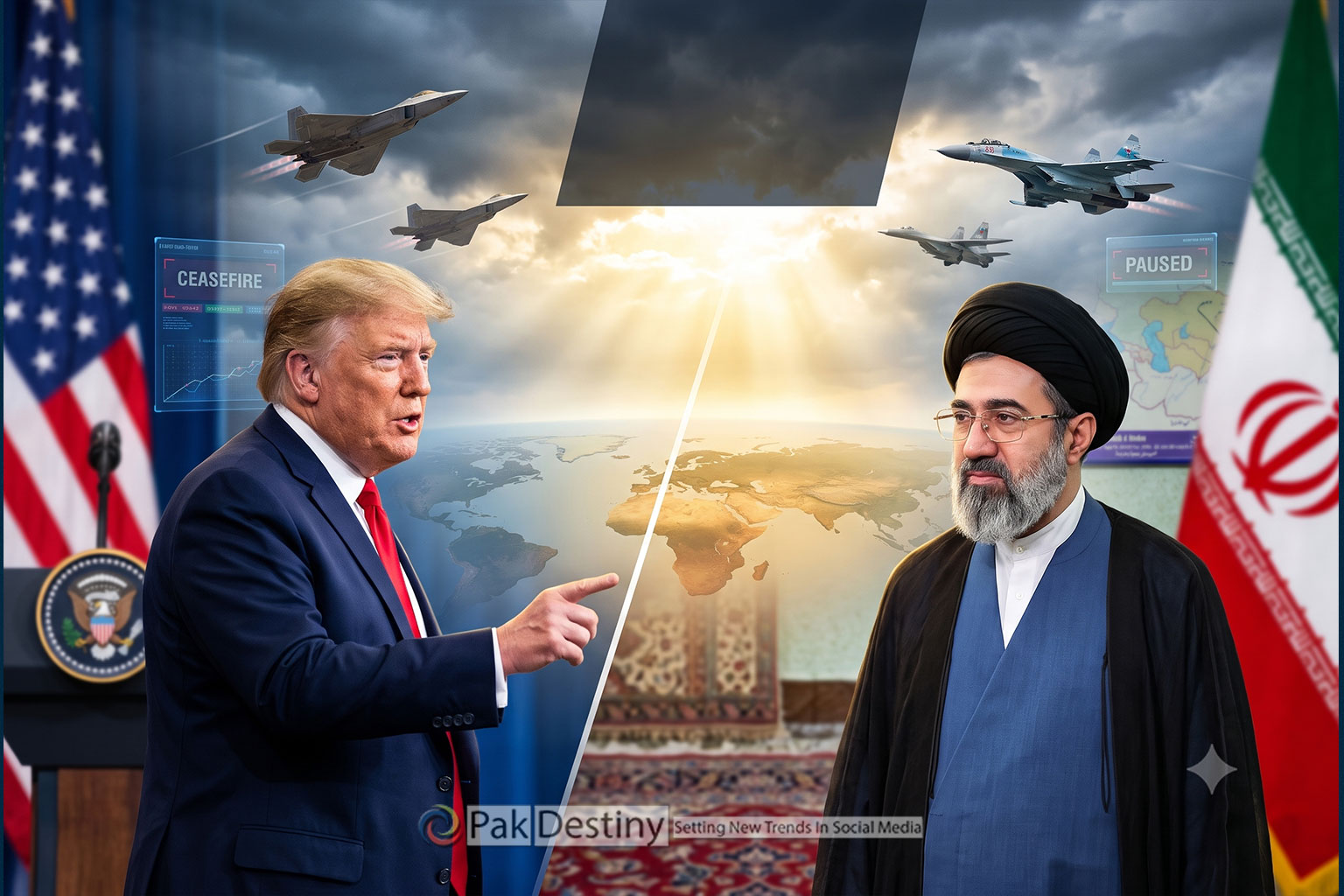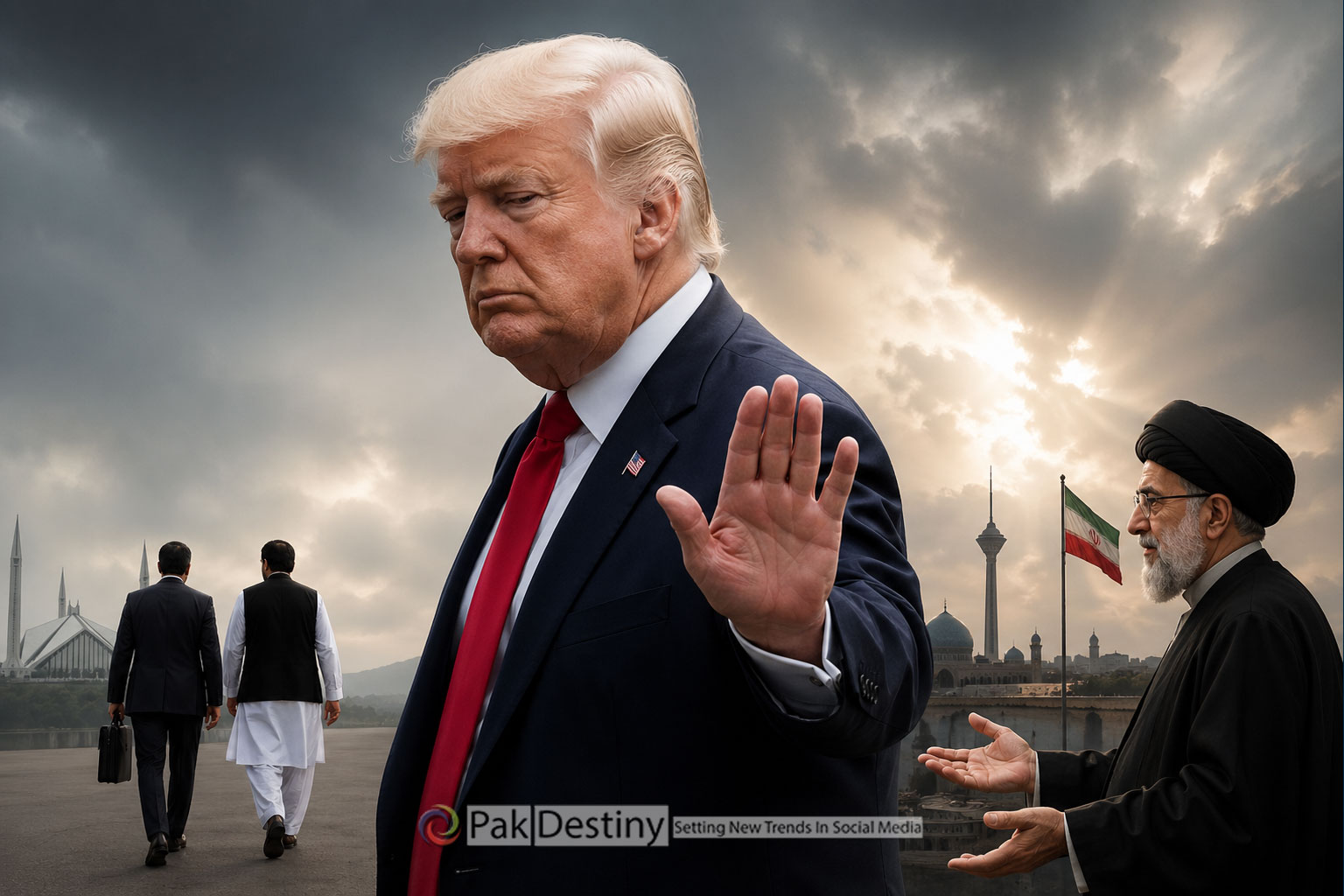
— Trump Weighs Iran’s Proposal Amid Rising Tensions — White House Signals “Red Lines” Are Non-Negotiable
By Irum Saleem
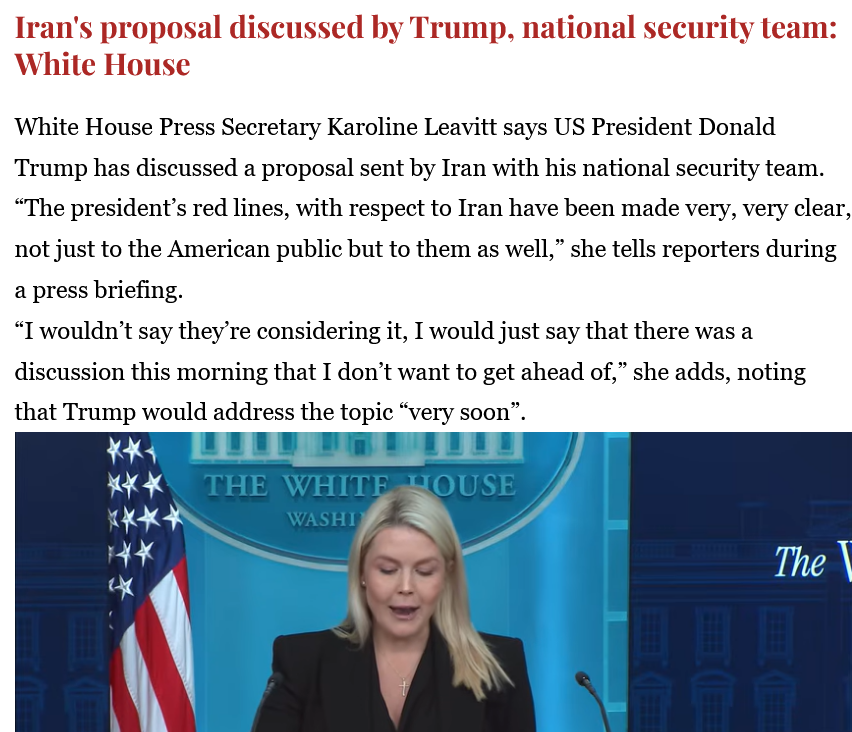
In a carefully worded briefing that hints at high-stakes diplomacy unfolding behind closed doors, White House Press Secretary Karoline Leavitt confirmed that U.S. President Donald Trump has reviewed and discussed a fresh proposal sent by Iran with his national security team.
Speaking to reporters, Leavitt struck a cautious tone — neither rejecting nor endorsing Tehran’s overture — but made one thing unmistakably clear:
Washington’s core demands remain firmly in place.
“The president’s red lines, with respect to Iran, have been made very, very clear — not just to the American public, but to them as well,” she said.
Behind the diplomatic curtain
While details of the Iranian proposal remain undisclosed, the timing suggests it is part of an ongoing, fragile diplomatic track that has seen intermittent engagement, indirect messaging, and backchannel negotiations — including reported mediation efforts involving regional players like Pakistan.
Leavitt’s remark that “there was a discussion this morning” indicates the proposal has reached the highest level of U.S. decision-making, involving key national security officials.
However, her immediate clarification — “I wouldn’t say they’re considering it” — underscores the administration’s reluctance to signal any softening of its stance.
This ambiguity reflects a broader strategic posture: keeping diplomatic space open while maintaining maximum pressure.
What are Trump’s “red lines”?
Although not explicitly restated in the briefing, Trump’s Iran policy has consistently revolved around several uncompromising demands:
A complete halt to Iran’s nuclear enrichment activities beyond civilian thresholds
Restrictions on ballistic missile development
An end to support for regional proxy groups
Release of detained foreign nationals, including dual citizens
These positions have formed the backbone of Washington’s negotiating framework, often described by critics as maximalist but defended by supporters as necessary to curb Iran’s regional and nuclear ambitions.
Iran’s calculus
For Tehran, submitting a proposal at this stage suggests a calibrated move — possibly aimed at easing sanctions pressure, de-escalating tensions, or testing Washington’s willingness to re-engage.
However, past rounds of diplomacy have faltered over mutual distrust and sharply divergent expectations. Iran has often demanded sanctions relief upfront, while the U.S. insists on verifiable commitments first — a deadlock that continues to define the talks.
A statement expected soon
Leavitt confirmed that President Trump himself will address the issue “very soon,” raising expectations of a clearer U.S. position in the coming days.
Whether that statement signals openness to negotiations or a firmer rejection could shape the next phase of U.S.-Iran relations — at a time when regional tensions remain volatile and the risk of escalation persists.
The bigger picture
This latest development comes amid a complex geopolitical landscape marked by shifting alliances, ongoing conflicts, and diplomatic maneuvering across the Middle East. Any movement — even tentative — between Washington and Tehran carries implications far beyond bilateral ties, potentially impacting global energy markets, regional security, and international diplomacy.
For now, the message from the White House is deliberately measured: talks may be happening, but the are firmly drawn.