By Raza Ruman
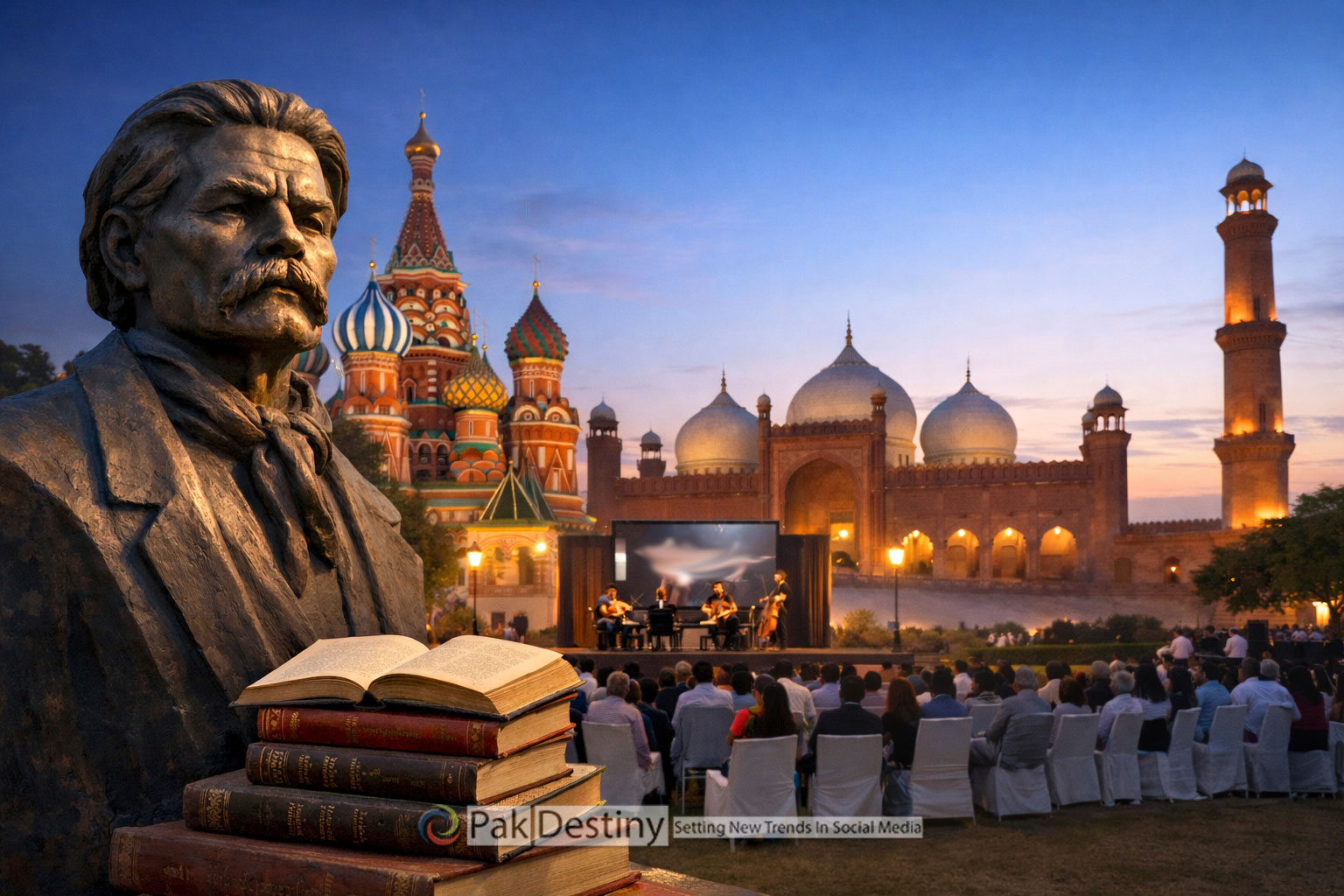
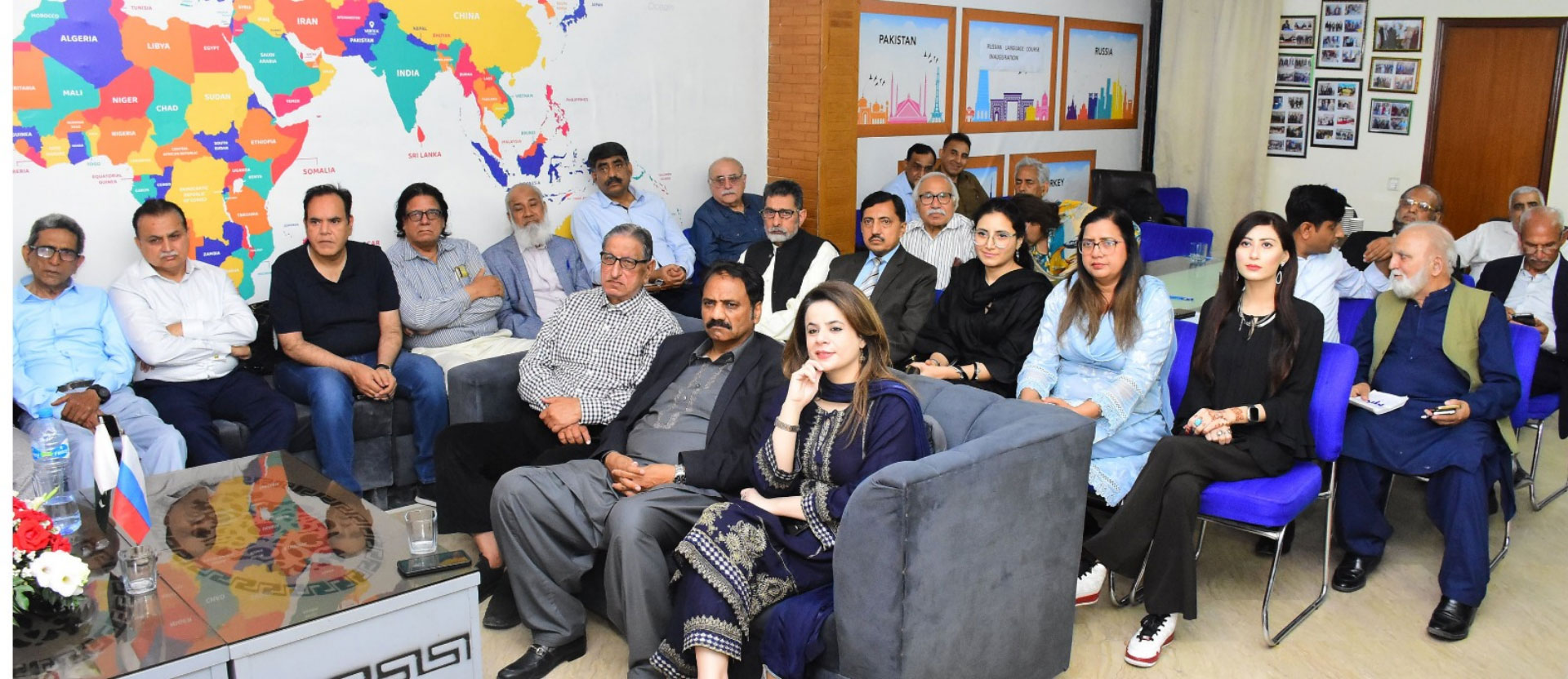
Under the auspices of the Russian Centre for Science, Education and Culture, a thought-provoking literary and cultural event was held in Lahore, commemorating the 158th birth anniversary of Maxim Gorky and celebrating 250 years of the historic Bolshoi Theatre.
The ceremony brought together prominent scholars, writers, and intellectuals, with Vice Chancellor of the University of Okara, Dr. Sajjad Mubin, attending as the chief guest. The gathering reflected a deep engagement with Russian literature and performing arts, highlighting their global influence and enduring relevance.
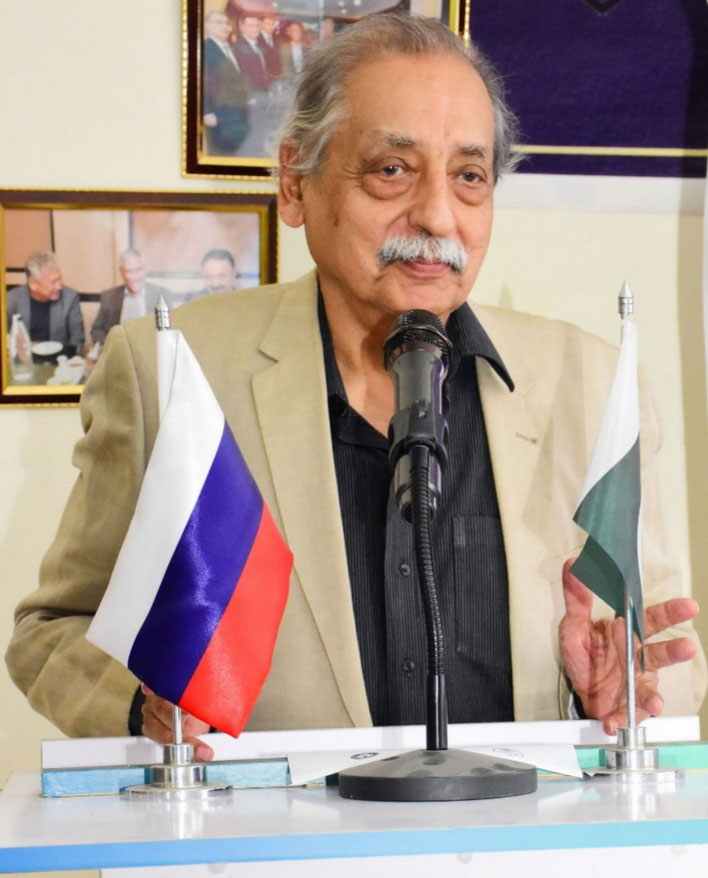
Opening the session, Dr. Ashraf Nizami emphasized that Maxim Gorky was not merely a towering figure in Russian literature but a voice of global significance. He noted that Gorky’s writings played a crucial role in shaping the intellectual environment that contributed to the Russian Revolution.
His seminal novel “Mother” was described as a transformative work that left a lasting impact on readers across generations.
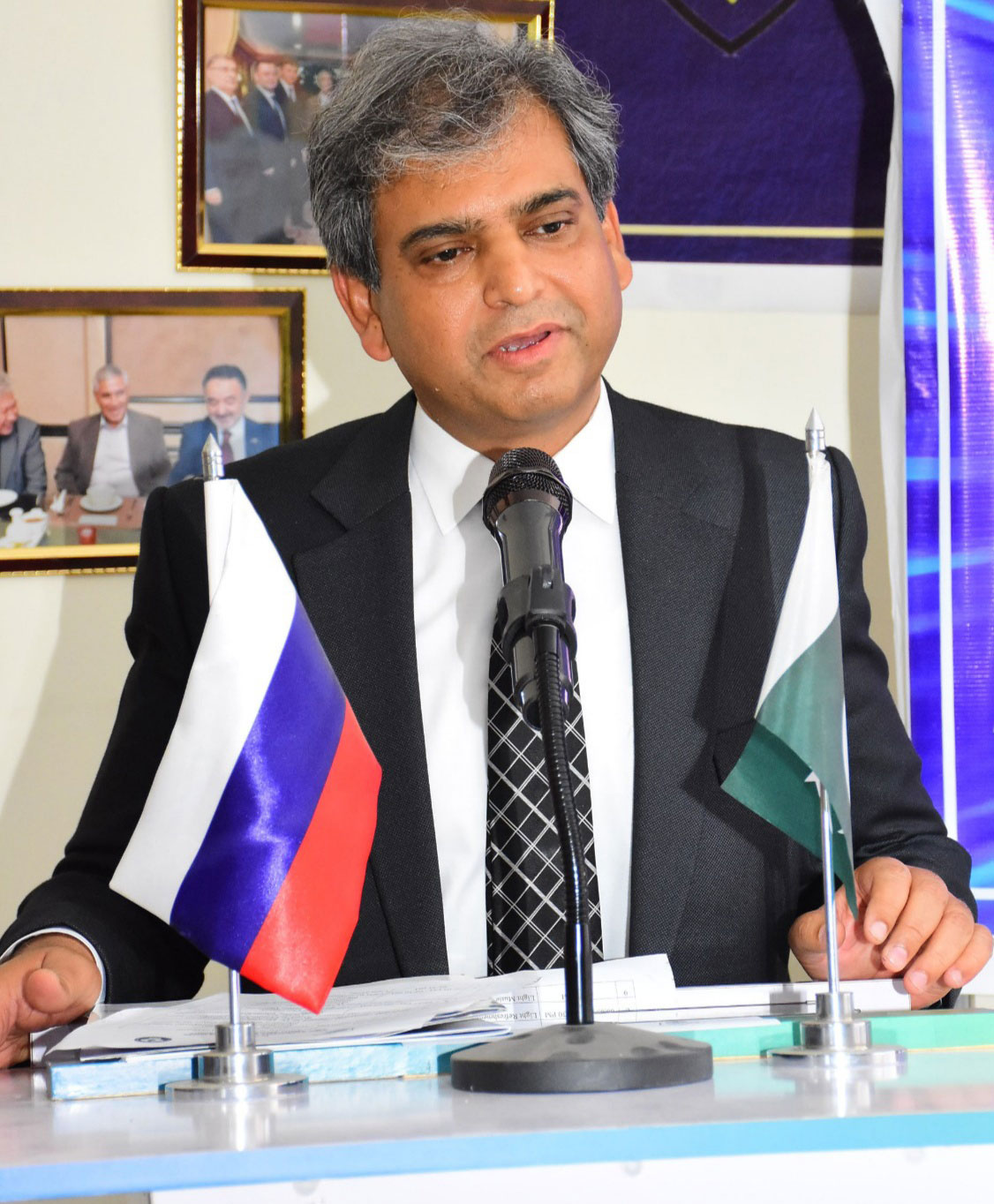
Writer Farrukh Sohail Goindi elaborated on Gorky’s multifaceted personality, portraying him as a poet, journalist, playwright, and a committed revolutionary. He remarked that despite being nominated multiple times for the Nobel Prize, Gorky was denied the honor due to his communist ideology. Through his writings, Goindi said, Gorky exposed societal contradictions and ignited a spirit of resistance among the oppressed.
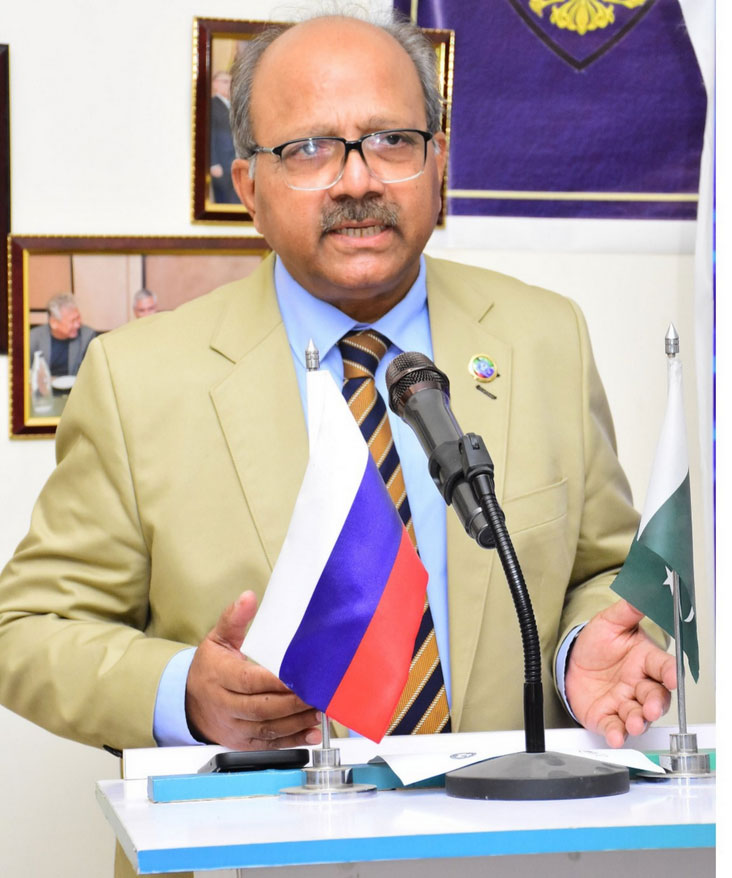
Adding academic depth to the discussion, Dr. Musaddiq Hussain presented his paper titled “Maxim Gorky: A Bright Star of Russian Literature.” He described Gorky as a profound thinker and literary giant whose works have been translated into numerous languages, with Mother ranking among the most widely read novels in the world.
Shifting focus to the performing arts, Dr. Salman Shahid shed light on the rich history of the Bolshoi Theatre.
He explained that the institution dates back to the era of the Tsars and has long been a symbol of artistic excellence. Unlike traditional local theatre, the Bolshoi is renowned for its grand ballet and opera performances, featuring both male and female artists. Its immense popularity historically drew large audiences, often resulting in long queues of eager spectators.
In his keynote address, Dr. Sajjad Mubin shared personal reflections from his time in Russia, where he pursued higher education on scholarship. He described Russian society as deeply rooted in values of equality, tolerance, and social welfare. Drawing a comparison, he suggested that the ideals of a welfare state envisioned in Islamic teachings resonate with aspects of the Russian communist system, though often misunderstood. He expressed hope that adopting such principles could help Pakistan evolve into a more equitable society.
Concluding the event, Dr. Shahid Hasan, Chairman of the Russian Centre, reiterated that Maxim Gorky remains one of the most influential literary figures in world history. He highlighted that Gorky’s work continues to inspire hope, awareness, and a spirit of struggle among marginalized communities.
The event was attended by a large number of academics, literary figures, and members of civil society, reflecting a strong interest in cultural dialogue and intellectual exchange.