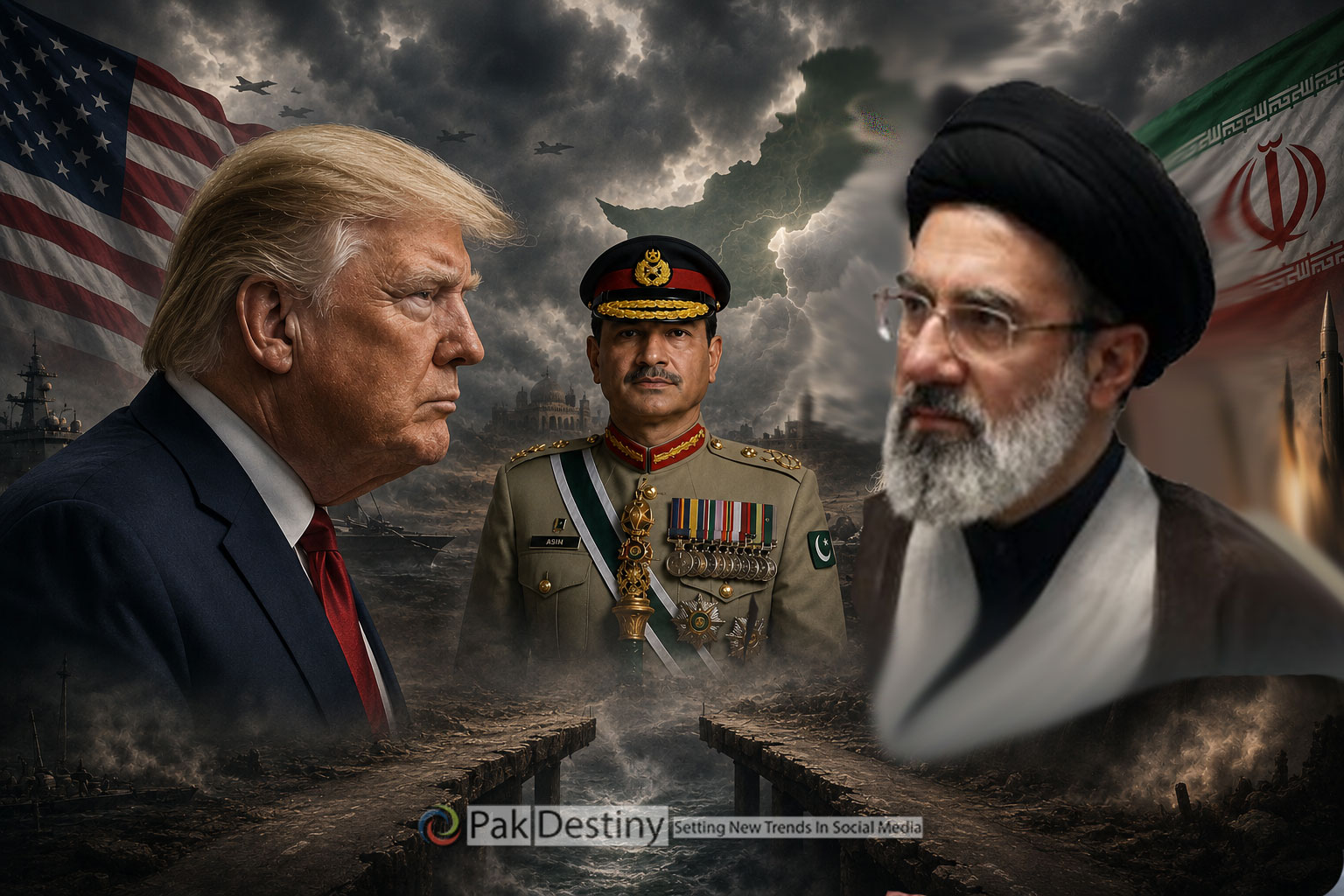
— Field Marshal Asim Munir’s high-stakes visit signals Islamabad’s boldest diplomatic gamble in years as fears of a wider Middle East conflict push Washington and Tehran towards a fragile search for dialogue
By Zulqernain
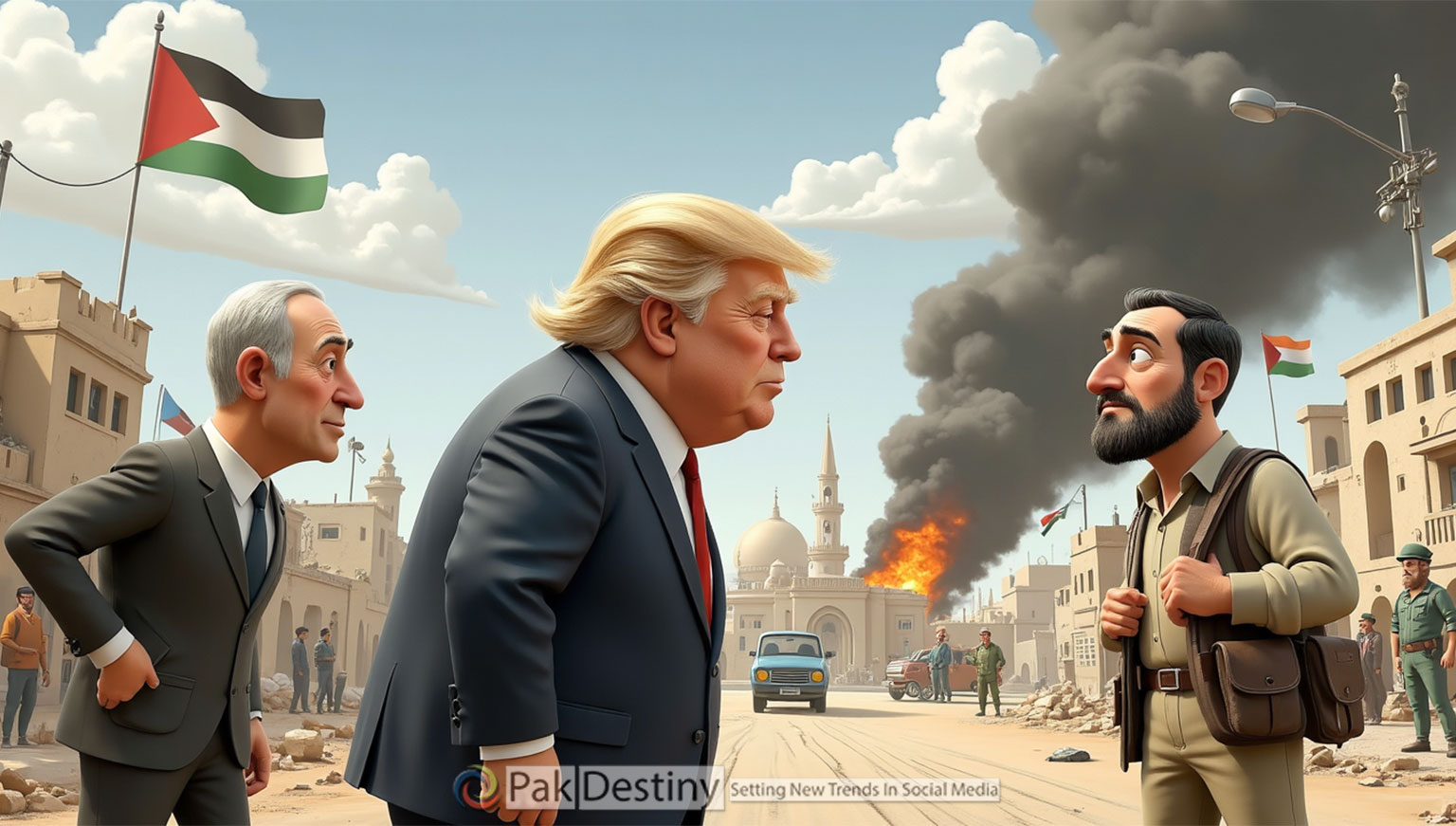
In the shadow of a rapidly shifting Middle East crisis, Pakistan has quietly stepped into an unfamiliar but increasingly consequential role — that of a potential bridge between Washington and Tehran.
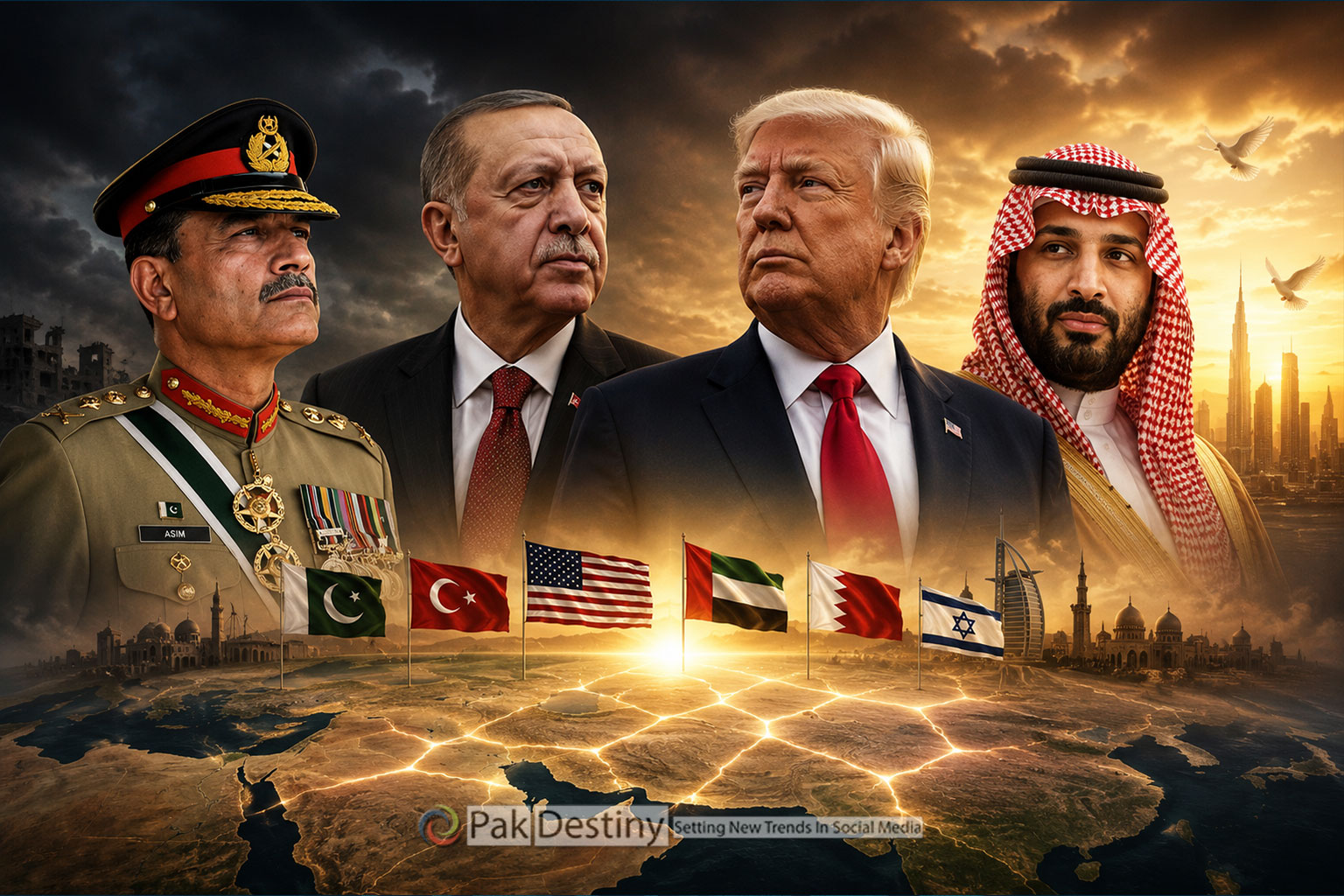
The arrival of Pakistan’s Chief of Army Staff, Field Marshal Asim Munir, in Tehran this week has intensified speculation that a rare diplomatic opening may be emerging in the long-running and deeply volatile confrontation between the United States and Iran.
While officials in Islamabad, Tehran and Washington remain cautious in public, diplomatic circles across the region are abuzz with talk of a possible breakthrough, or at least the first serious attempt in months to prevent the crisis from sliding towards a wider regional conflict.
The stakes could hardly be higher.
For months, tensions between the US and Iran have escalated through military threats, proxy confrontations, sanctions pressure and mounting fears of direct confrontation in the Gulf. Concerns over maritime security in the Strait of Hormuz, the future of Iran’s nuclear programme and the risk of regional spillover have alarmed world powers already struggling with economic instability and geopolitical fragmentation.
Against this backdrop, Pakistan’s sudden emergence as an active intermediary has surprised many observers.
Diplomatic sources familiar with the ongoing engagements say Field Marshal Asim Munir’s visit is not merely ceremonial. Instead, it forms part of an intensive and carefully calibrated diplomatic effort aimed at creating space for formal or semi-formal negotiations between Tehran and Washington.
According to regional diplomats, Pakistan is working alongside a small group of states, including Qatar, Turkey and Egypt, to explore what officials describe as a “de-escalation framework” — a possible roadmap that could allow both Iran and the United States to step back from confrontation without appearing politically weakened before domestic audiences.
Sources suggest the proposed framework may include temporary confidence-building measures, limited understandings over regional military activity, backchannel communications and the possibility of phased discussions on sanctions relief and Iran’s nuclear programme.
Although neither side has publicly confirmed details of the initiative, recent international reports indicate that mediators are attempting to secure a preliminary understanding that could pave the way for structured negotiations in the coming weeks.
Diplomats say Pakistan’s involvement carries unique significance.
Unlike several regional actors seen as aligned too closely with either Washington or Tehran, Islamabad maintains functional ties with both capitals. Pakistan shares a long border and complex security relationship with Iran, while also remaining an important strategic and military partner of the United States.
This delicate balancing act has historically forced Pakistan to avoid overt involvement in Middle Eastern rivalries. Yet analysts argue that the current crisis has presented Islamabad with a rare opportunity to redefine its regional diplomatic profile.
“Pakistan is trying to project itself not merely as a security state, but as a stabilising actor capable of facilitating dialogue in one of the world’s most dangerous geopolitical crises,” said a senior Islamabad-based foreign policy analyst.
The effort also reflects Pakistan’s growing concern over the consequences of prolonged instability in the Gulf region.
Any escalation between Iran and the US could directly affect Pakistan through border insecurity, refugee flows, sectarian tensions and severe economic repercussions linked to energy prices and trade disruptions. Pakistani policymakers are particularly worried about instability surrounding the Strait of Hormuz, through which a substantial portion of global oil supplies passes.
Beyond regional security, the mediation effort also appears linked to Islamabad’s broader attempt to reposition itself diplomatically after years of political turbulence and economic fragility at home.
Some observers believe Pakistan’s leadership sees an opportunity to demonstrate diplomatic maturity and regain international relevance through conflict mediation rather than traditional security narratives alone.
The optics surrounding Field Marshal Asim Munir’s Tehran visit are therefore being closely watched in global capitals.
Iranian officials have publicly welcomed Pakistan’s engagement, while reports from Western diplomatic circles suggest Washington views Islamabad’s outreach as potentially useful, particularly at a time when formal communication channels remain fragile and politically sensitive.
Still, seasoned diplomats warn against premature optimism.
The mistrust between Tehran and Washington runs deep, shaped by decades of hostility, failed agreements, sanctions regimes and competing regional interests. The future of Iran’s uranium enrichment programme remains one of the most contentious issues, while domestic political pressures inside both countries continue to narrow room for compromise.
“There is movement,” one regional diplomat said, “but there is still a very long distance between movement and agreement.”
Yet even limited progress could prove significant.
For Pakistan, success in helping reduce tensions — even temporarily — could strengthen its image as a responsible regional power capable of constructive diplomacy beyond South Asia.
For the wider region, the stakes are existential.
Another major conflict in the Middle East would not only destabilise an already fragile region but could also deepen global economic uncertainty, disrupt energy markets and further polarise international politics.
Whether Pakistan’s quiet diplomacy can genuinely help alter the course of one of the world’s most entrenched rivalries remains uncertain.
But in Tehran this week, amid closed-door meetings and cautious diplomatic language, there are growing signs that the search for an off-ramp from confrontation may finally have begun.