— Momina Iqbal, MPA Saqib Chadhar appear before NCCIA as controversy revives debate over cyber harassment, political influence and toxic social media culture in Pakistan
By Irum Saleem
What began as a social media post by a television actress quickly spiralled into one of the most widely discussed controversies online this week, drawing in politicians, celebrities, digital activists and law enforcement authorities, while once again exposing the darker side of Pakistan’s increasingly polarised online culture.
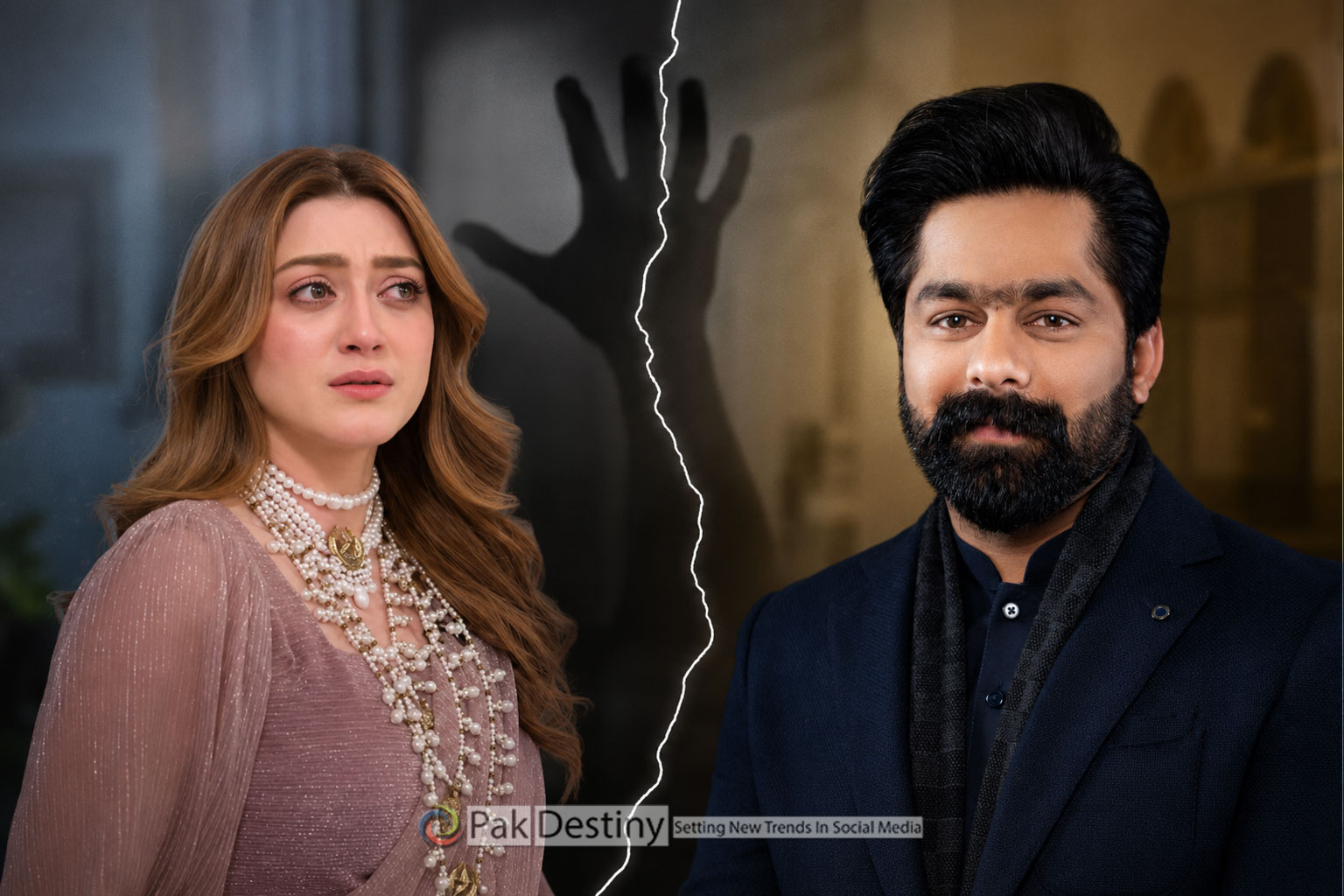
At the centre of the controversy are PML-N MPA Saqib Chadhar and actress-model Momina Iqbal, who appeared before the National Cyber Crime Investigation Agency (NCCIA) on Thursday after the actress accused the ruling party lawmaker of online harassment and issuing death threats.
The allegations — amplified through emotional video statements, reposts and hashtags — spread rapidly across X, TikTok, Instagram and Facebook, turning the matter into a national talking point within hours.
For many social media users, the episode was not merely another celebrity-politician dispute. It became a reflection of a larger phenomenon in Pakistan’s digital space, where online disagreements often escalate into aggressive trolling, intimidation campaigns and public character assassination.
Sitting before a camera in a visibly emotional state earlier this week, Ms Iqbal appealed directly to Punjab Chief Minister Maryam Nawaz, claiming she was being threatened and subjected to organised online abuse.
“I only want protection and justice,” she said in one of the videos that garnered hundreds of thousands of views within hours.
The actress alleged that threatening messages and coordinated attacks against her were circulating online, leaving her fearful and mentally distressed. Her statements triggered a wave of reactions — sympathy from supporters, scepticism from critics and fierce political arguments among rival camps on social media.
By Thursday morning, the controversy had moved from cyberspace to the offices of the NCCIA in Lahore, where both Ms Iqbal and Mr Chaddar arrived separately to record their statements.
Outside the agency’s office, television crews, vloggers and social media reporters gathered in large numbers, reflecting the unusual public attention the matter had attracted.
Officials familiar with the inquiry said that investigators separately questioned both individuals and sought digital evidence linked to the allegations, including screenshots, messages and online activity.
Sources said the agency was examining whether any threats were issued through social media accounts or private communication channels and whether anonymous accounts were used to amplify abusive content targeting the actress.
While Ms Iqbal reiterated her allegations before investigators, Mr Chaddar strongly denied any wrongdoing.
“The allegations are baseless and politically motivated,” the PML-N lawmaker told reporters briefly after his appearance. “I have complete confidence that the facts will come out.”
Yet beyond the immediate dispute, the controversy has reignited debate over the growing culture of online hostility in Pakistan — particularly towards women in media, politics and public life.
Digital rights activists say online harassment has evolved into one of the country’s most serious but under-addressed social issues.
Female journalists, actors, politicians and activists frequently become targets of coordinated abuse campaigns involving doctored images, fake allegations, threats and relentless trolling.
“These incidents are no longer isolated,” said a Lahore-based digital rights campaigner. “The online environment has become extremely toxic, especially for women who are visible in public life.”
The case also illustrates how social media controversies increasingly shape public discourse in Pakistan. Within hours of Ms Iqbal’s statements appearing online, hashtags linked to the issue began trending, while YouTube commentators, TikTok creators and political influencers turned the dispute into headline content.
Analysts note that in Pakistan’s hyper-politicised digital ecosystem, personal allegations often become entangled with political loyalties, making objective discussion difficult.
“Social media has blurred the lines between politics, entertainment and personal life,” said a media researcher. “Every controversy quickly transforms into a public spectacle where facts, emotions and political narratives collide.”
For investigators, however, the challenge lies in separating online noise from verifiable evidence.
Officials said the NCCIA would conduct forensic analysis of digital material submitted by both sides before deciding whether legal proceedings under cybercrime or criminal laws could be initiated.
Under the Prevention of Electronic Crimes Act (Peca), offences such as cyberstalking, online harassment, criminal intimidation and dissemination of threatening content can carry penalties ranging from fines to imprisonment.
Legal experts say cyber harassment cases remain difficult to prosecute because online abuse frequently involves anonymous accounts, rapidly deleted content and cross-platform activity.
Meanwhile, the controversy has also triggered broader questions regarding the responsibilities of political figures and the need for stronger institutional mechanisms to address complaints involving online intimidation.
Women rights activists and members of the entertainment industry have urged authorities to ensure a transparent inquiry and avoid political influence in the investigation.
“The issue is bigger than one actress or one politician,” said a television producer in Lahore. “It is about whether women can speak publicly without fear of harassment and threats.”
As investigators continue their inquiry, the controversy surrounding Momina Iqbal and Saqib Chadhar remains one of the most talked-about issues online — a reminder of how Pakistan’s digital sphere can rapidly transform private disputes into national debates, often with lasting personal and political consequences.