By Zulqernain
On a night meant to celebrate journalism and political satire, panic replaced laughter as gunfire erupted outside the Washington Hilton, abruptly shaking one of America’s most high-profile annual gatherings.
The White House Correspondents’ Dinner—attended by US President Donald Trump, senior officials, diplomats, and leading media figures—was underway when security personnel confronted an armed individual attempting to breach the perimeter.
“Shots fired,” screamed the Secret Service agents.
— The Washington Times (@WashTimes) April 26, 2026
President Trump and Cabinet members were escorted out of the main ballroom by the Secret Service and the U.S. Marshals. pic.twitter.com/s1ikd8tun8
Within seconds, the suspect was subdued. The event continued under heavy security, but the questions triggered by the incident have proven far harder to contain.
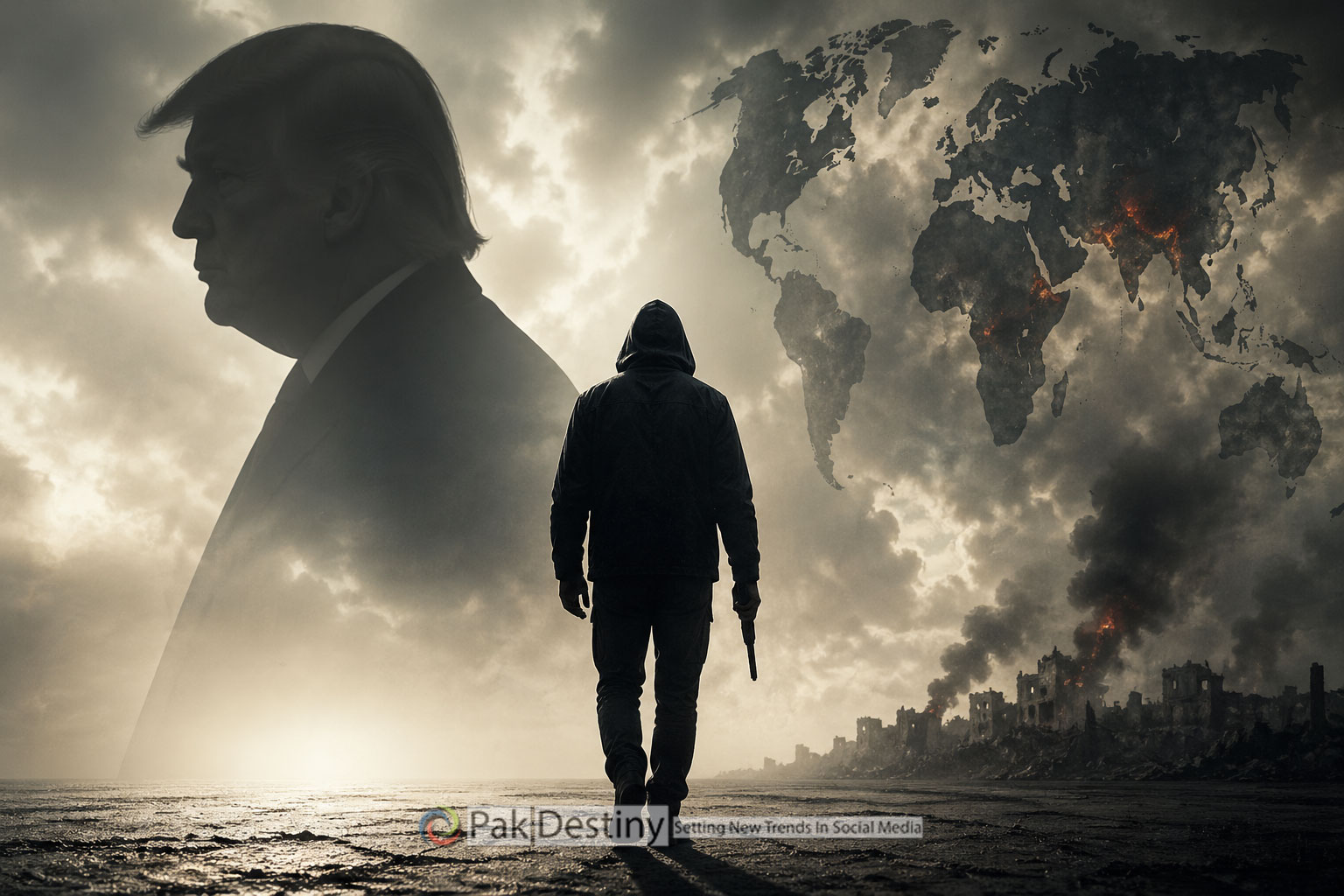
At the centre of those questions lies a familiar dilemma in times of conflict: was this an isolated act—or a ripple from a much larger war?
A Breach at the Heart of Power
The Washington Hilton is no ordinary venue. For decades, it has hosted presidents, global media, and the symbolic intersection of politics and public discourse in the United States.
That symbolism was not lost as the incident unfolded.
According to initial reports, the attacker approached a secured checkpoint armed and opened fire when challenged by Secret Service personnel. An officer was struck but protected by body armour, preventing fatalities.
Inside the hall, guests were briefly thrown into confusion as security teams locked down the premises. President Trump was swiftly secured, and within minutes, officials declared the situation under control.
Official Line:
“A Lone Actor”
In the immediate aftermath, President Trump dismissed speculation of foreign involvement, describing the suspect as a “lone wolf.”
“There is no indication at this time that this is connected to the Iran situation,” he told reporters—while adding a note of caution: “But you never know.”
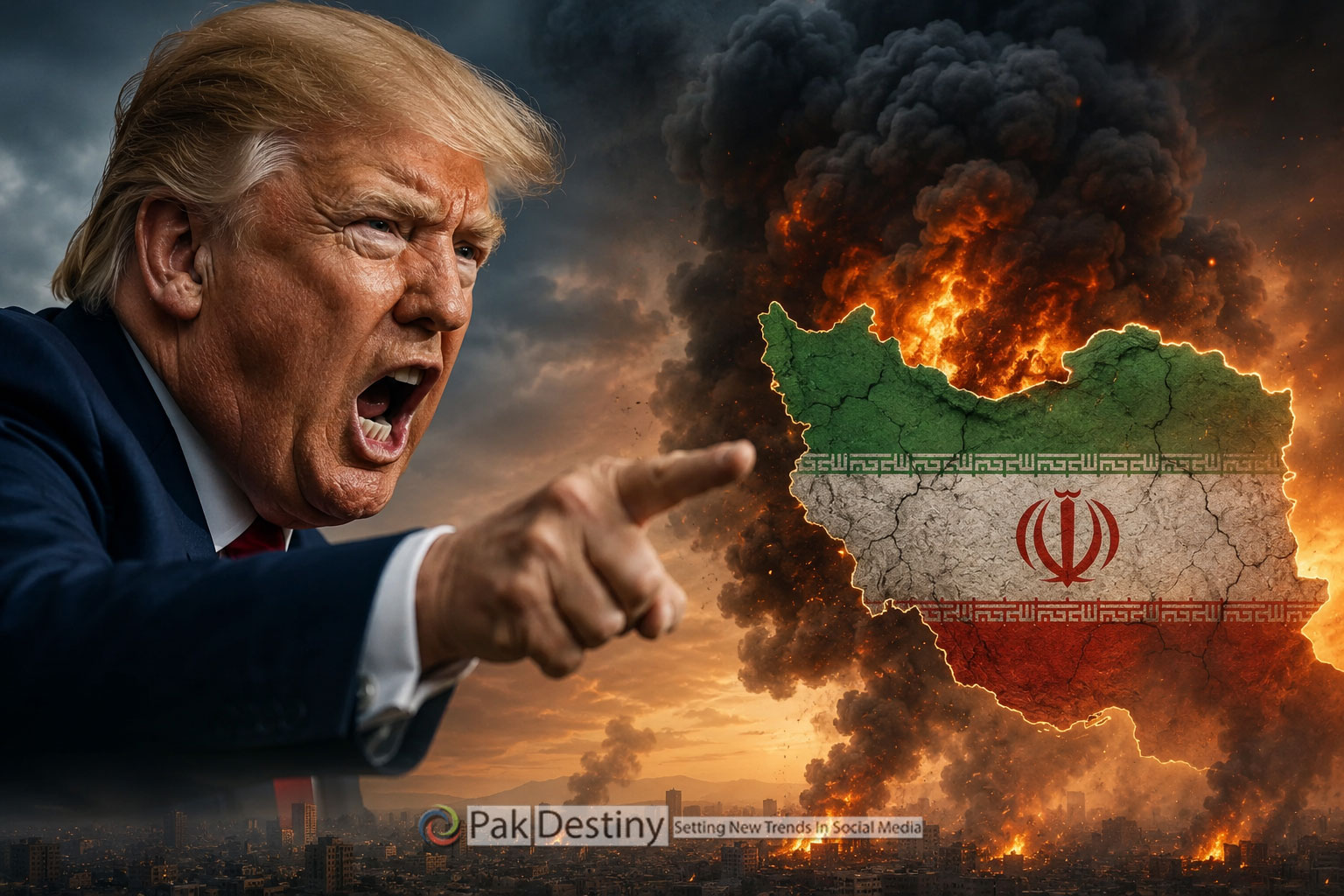
That ambiguity reflects the broader uncertainty gripping Washington as tensions with Iran continue to escalate.
Build the White House Ballroom. pic.twitter.com/3CBVZtf4cK
— The White House (@WhiteHouse) April 26, 2026
War Context: A Climate of Suspicion
The shooting comes at a particularly volatile moment.
Relations between the United States and Iran have deteriorated sharply following recent military escalations and failed diplomatic efforts. Backchannel negotiations have stalled, and both sides remain locked in a cycle of threats and strategic signalling.
Just days before the incident:
Planned diplomatic engagements were cancelled
Intelligence warnings highlighted risks of asymmetric retaliation
Political rhetoric on both sides intensified
In such an environment, even a seemingly isolated act is inevitably viewed through the prism of conflict.
Reading the Motive: Three Layers of Possibility
Lately, questions have been raised within White House circles about Patel's future. Speculations intensified this week over which the first-ever Indian-origin FBI chief could be the latest to depart the administration, following the removal of the US Navy Secretary John Phelan.… pic.twitter.com/G8ZQ6dDGip
— DNA (@dna) April 26, 2026
1. The Lone Wolf Hypothesis
Current evidence supports the administration’s initial assessment: an individual acting independently, possibly driven by personal grievances or psychological factors.
Such cases are not uncommon, even at high-security events. The absence of an immediate organisational link reinforces this view.
2. War-Induced Radicalisation
However, the broader context cannot be ignored.
Periods of international conflict often generate:
Heightened political anger
Online radicalisation
Conspiracy-driven narratives
An individual need not have direct ties to a foreign state to be influenced by a war-driven mindset.
The Iran-US confrontation, widely covered and deeply polarising, may have shaped the attacker’s perceptions—even indirectly.
3. Symbolic Targeting in a Time of War
Even without operational links, the choice of target raises questions.
The Correspondents’ Dinner represents:
The US political establishment
The media’s role in shaping war narratives
The projection of democratic stability
Targeting such a venue—especially during a geopolitical crisis—creates maximum psychological impact, regardless of the attacker’s actual intent.
Security vs Perception
From a security standpoint, the system worked:
The attacker was intercepted
No mass casualties occurred
The President remained safe
But perception tells a different story.
The breach, however limited, underscores a growing concern among security experts: modern conflicts are increasingly borderless, with risks extending far beyond traditional battlefields.
The Bigger Picture: War in the Public Sphere
The Washington Hilton incident highlights how war today operates on multiple fronts:
Military
Diplomatic
Psychological
Even an uncoordinated act of violence can:
Amplify fear
Disrupt political messaging
Feed into narratives of instability
In that sense, whether connected to Iran or not, the attack has already achieved one outcome—it has inserted uncertainty into the heart of Washington at a critical moment.
Conclusion: Between Fact and Fear
For now, investigators continue to examine the suspect’s background, digital footprint, and possible motivations.
No confirmed link to Iran has emerged. No network has been identified.
Yet the timing ensures the incident will not be viewed in isolation.
In an era defined by fragile diplomacy and escalating confrontation, the line between individual violence and geopolitical signal is increasingly difficult to draw.
And as Washington grapples with both the reality of war and the fear it generates, the question remains:
Was this merely a lone act—or a reflection of a world already on edge?