By Zulqernain
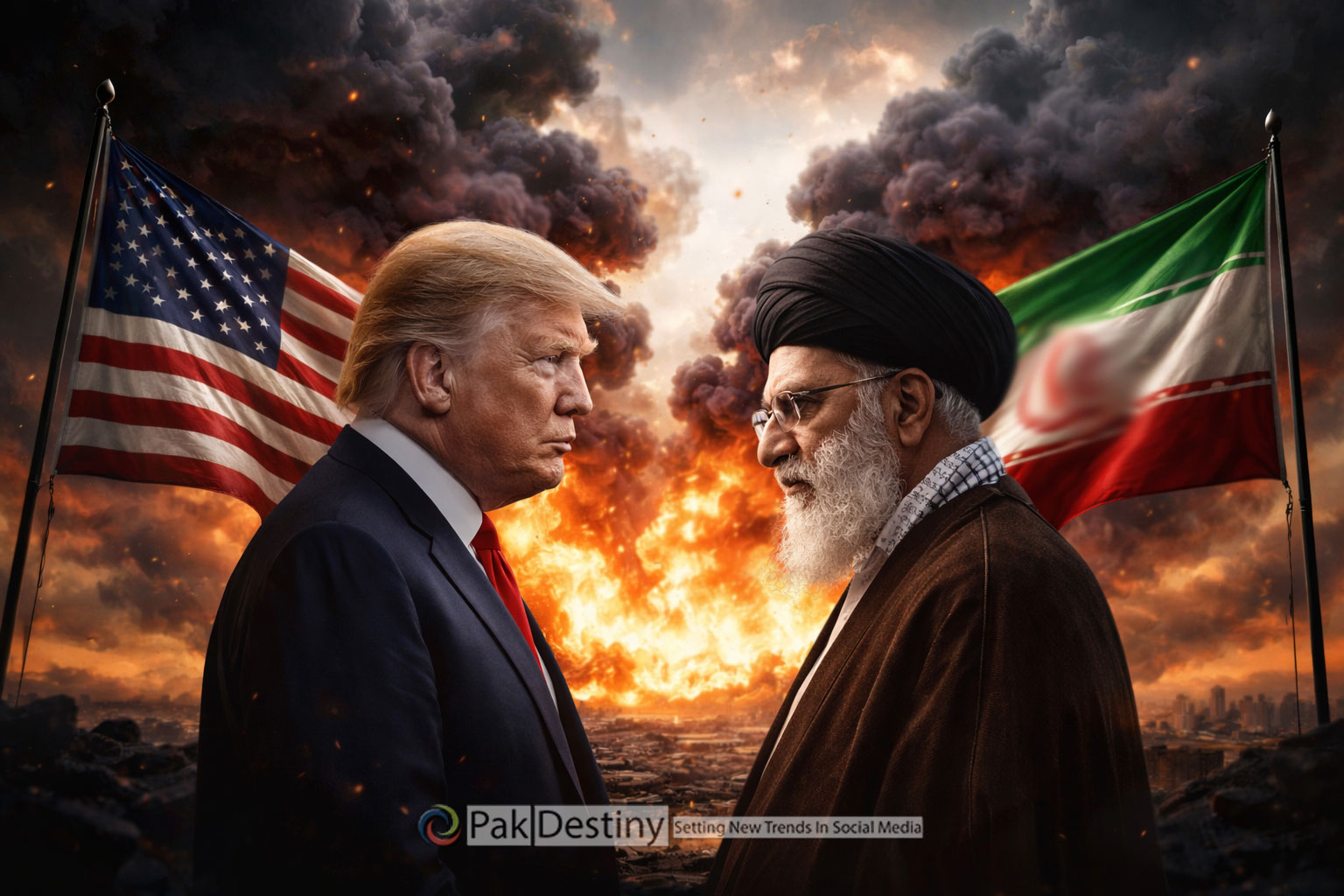
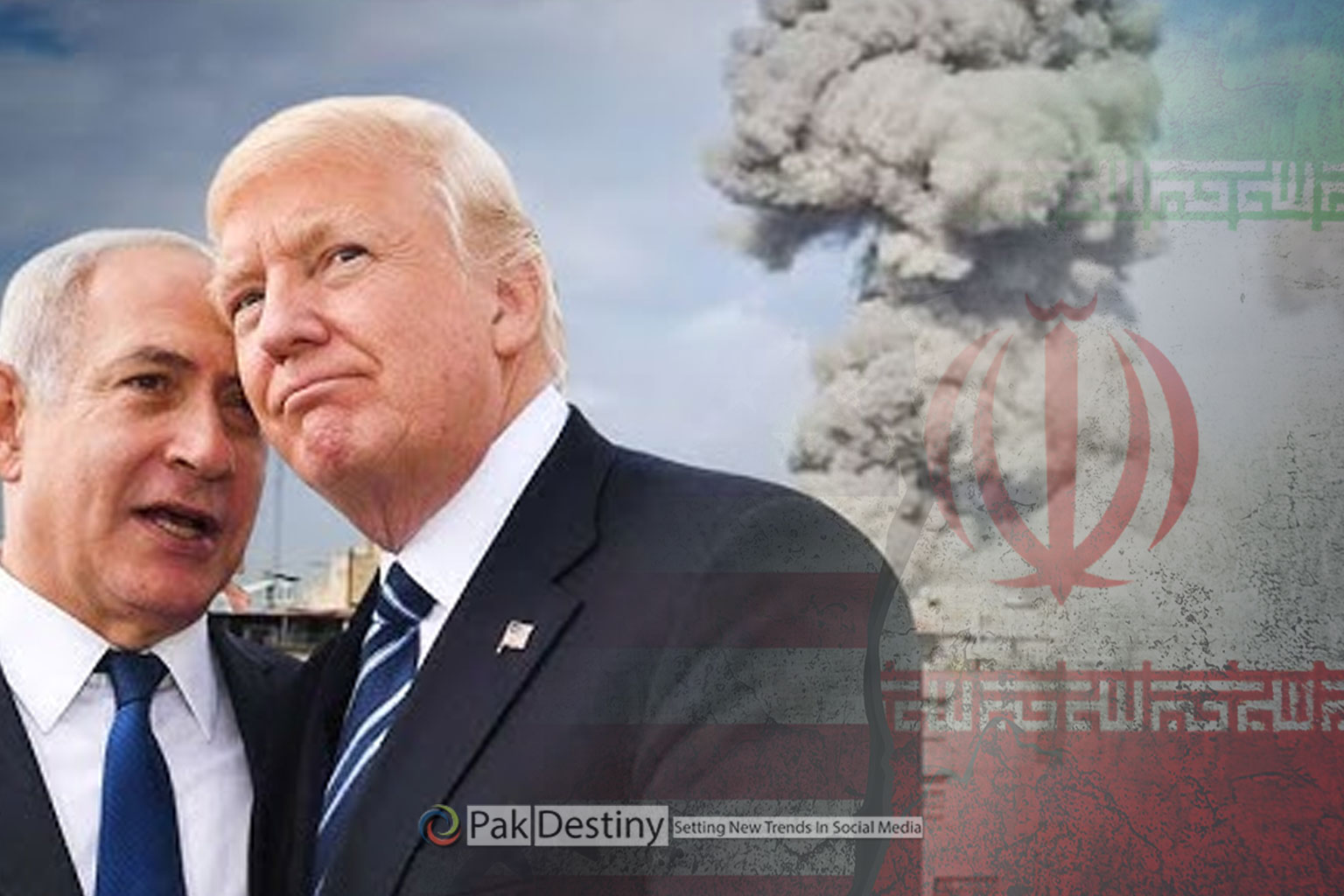
The latest round of confrontation between the United States and Iran has pushed the Middle East into one of its most volatile moments in years, with diplomats scrambling to preserve fragile negotiations even as military exchanges in and around the Strait of Hormuz continue to intensify.
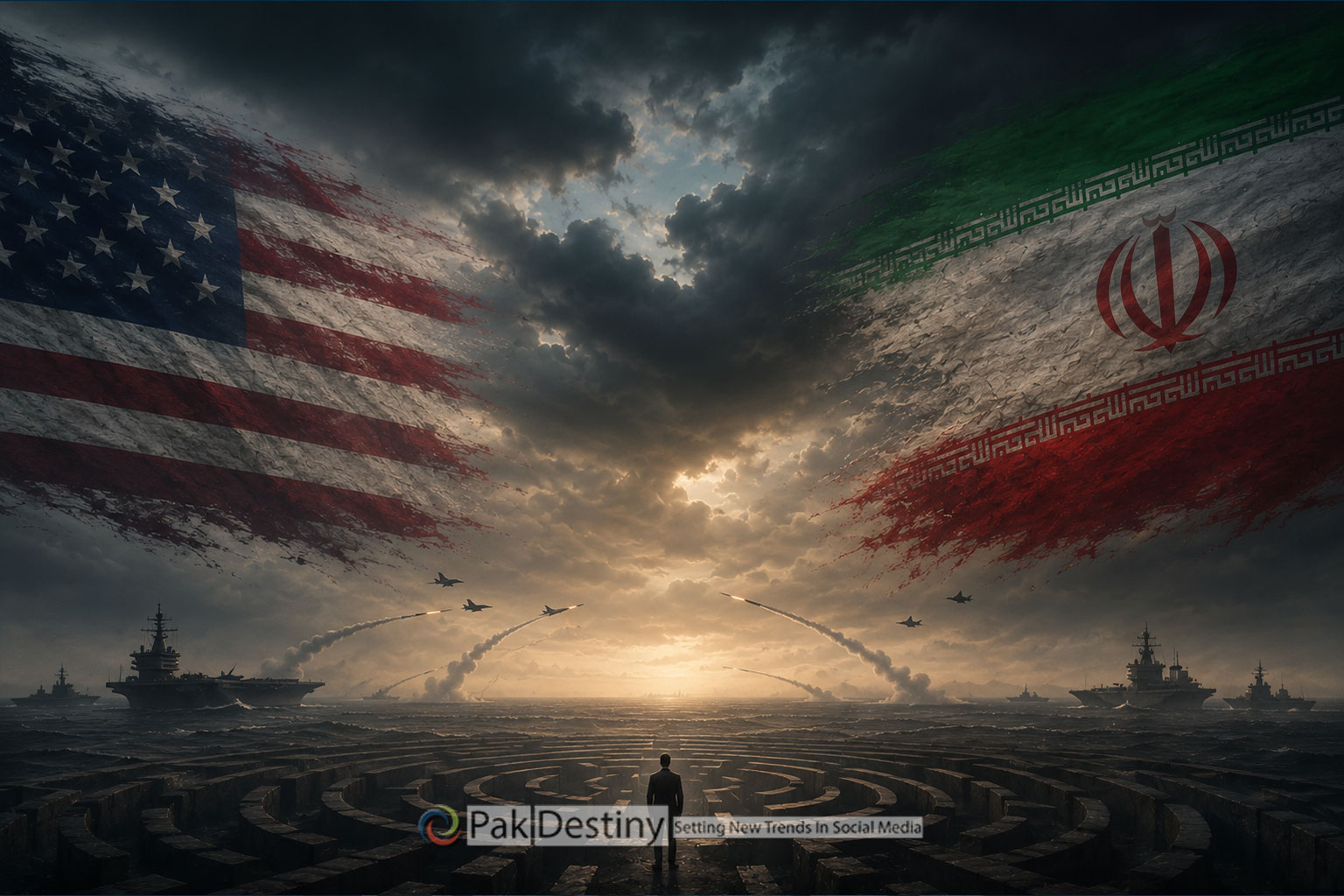
The crisis, which has steadily escalated since renewed US-Israeli military operations against Iran earlier this year, is now entering what regional analysts describe as a “make-or-break phase” — one where both the possibility of a diplomatic breakthrough and the risk of a broader regional war appear equally real.
Fresh reports emerging this week suggest indirect contacts between Washington and Tehran have not entirely collapsed despite recent exchanges of fire in the Gulf. According to diplomatic sources cited in international media, negotiators are still attempting to secure a temporary truce framework that could eventually reopen discussions on sanctions relief, maritime security and Iran’s nuclear programme.
However, military developments continue to overshadow diplomacy.
Iran accused the United States of violating an informal ceasefire after American strikes targeted Iranian-linked vessels near the Gulf of Oman, while Washington said the action was retaliatory and intended to prevent attacks on US naval assets.
US President Donald Trump publicly downplayed the latest attacks, insisting that the ceasefire arrangement remained “technically intact”, but officials on both sides acknowledge privately that the situation remains dangerously unstable.
The central dispute continues to revolve around Iran’s nuclear activities, uranium enrichment rights, sanctions relief and control over shipping lanes in the Strait of Hormuz — through which nearly a fifth of global oil supplies pass.
Iran has refused to fully halt uranium enrichment, arguing that peaceful nuclear capability remains its sovereign right. Washington, meanwhile, has maintained that Tehran must accept stricter monitoring and transfer highly enriched uranium stockpiles under an internationally supervised mechanism.
Regional actors are also shaping the crisis.
Israel has consistently pressed for a harder line against Tehran, viewing any compromise that leaves Iran with enrichment capacity as a long-term strategic threat. Gulf Arab states, while deeply concerned over Iranian influence, are simultaneously anxious to avoid a prolonged war that could devastate regional economies and energy exports.
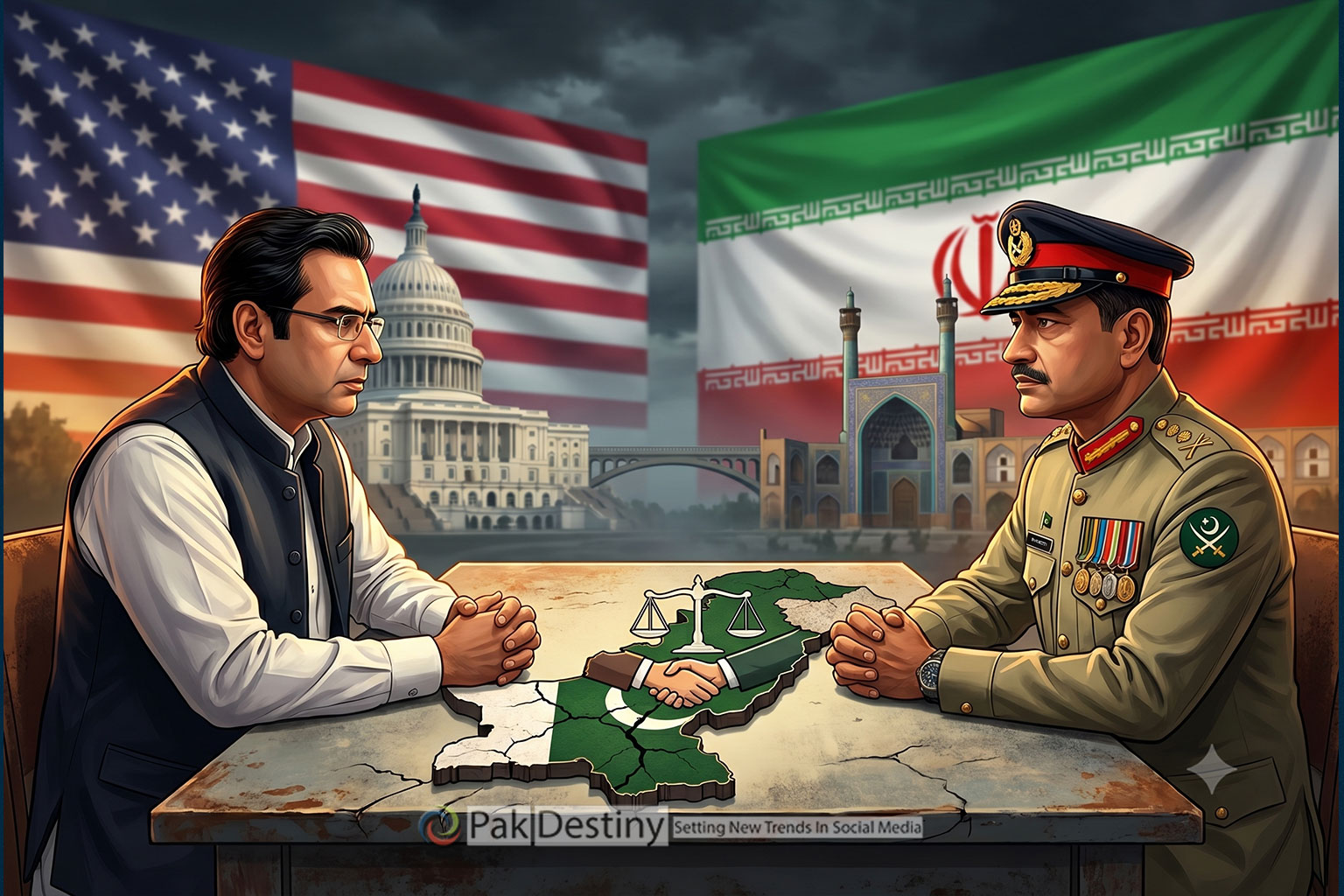
Diplomatic channels involving Oman, Pakistan and several European intermediaries remain active, reflecting growing international concern that the conflict could spiral beyond control if talks fail.
Analysts say both Washington and Tehran currently appear trapped between escalation and restraint.
For the Trump administration, a major regional war carries enormous political and economic risks at a time when global markets remain highly sensitive to energy disruptions. Iran, despite projecting defiance, faces severe economic pressure, internal political strains and the danger of deeper military confrontation with both the United States and Israel.
“This is no longer simply a nuclear dispute,” one Middle East analyst observed. “It has evolved into a contest over regional deterrence, maritime control and political survival.”
Despite repeated military exchanges, many experts believe neither side presently seeks a full-scale conventional war.
Iran’s strategy appears focused on calibrated escalation — demonstrating military capability without triggering overwhelming retaliation — while Washington seems intent on maintaining pressure without becoming trapped in another prolonged Middle Eastern conflict.
Yet the risk of miscalculation remains exceptionally high.
Security analysts warn that another attack on US naval assets, Israeli territory or Gulf energy infrastructure could rapidly trigger a wider military response involving regional allies and proxy groups across Lebanon, Iraq, Syria and the Gulf.
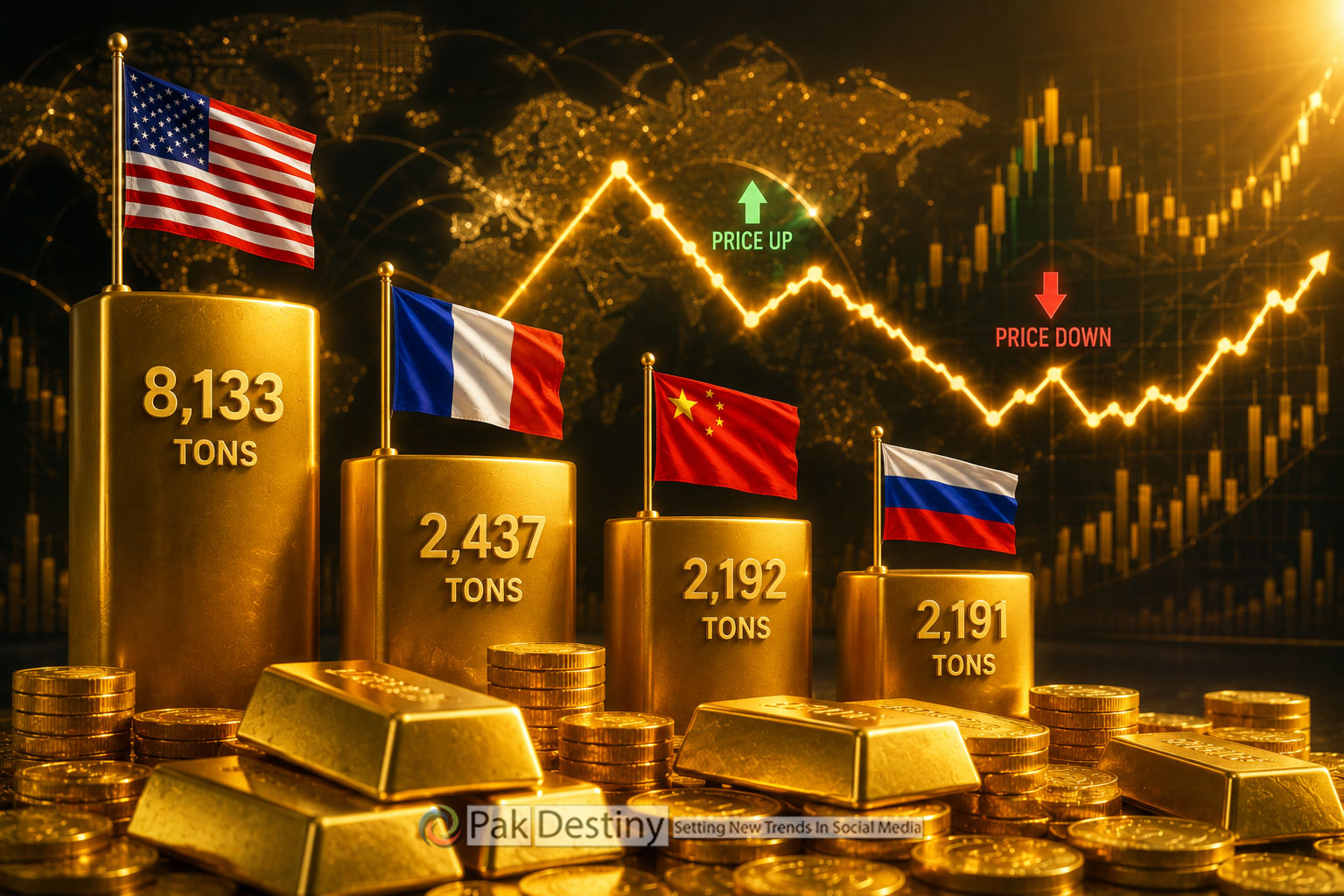
Energy markets are already reacting nervously. Oil prices have fluctuated sharply amid fears that prolonged instability in the Strait of Hormuz could disrupt global supply chains and worsen inflationary pressures worldwide.
For now, diplomacy survives — but narrowly.
Negotiators are reportedly exploring an interim arrangement that would temporarily reduce hostilities and create space for broader talks. Whether that effort evolves into a genuine breakthrough or collapses under the weight of deep mistrust may determine whether the region moves toward uneasy de-escalation or another devastating conflict.