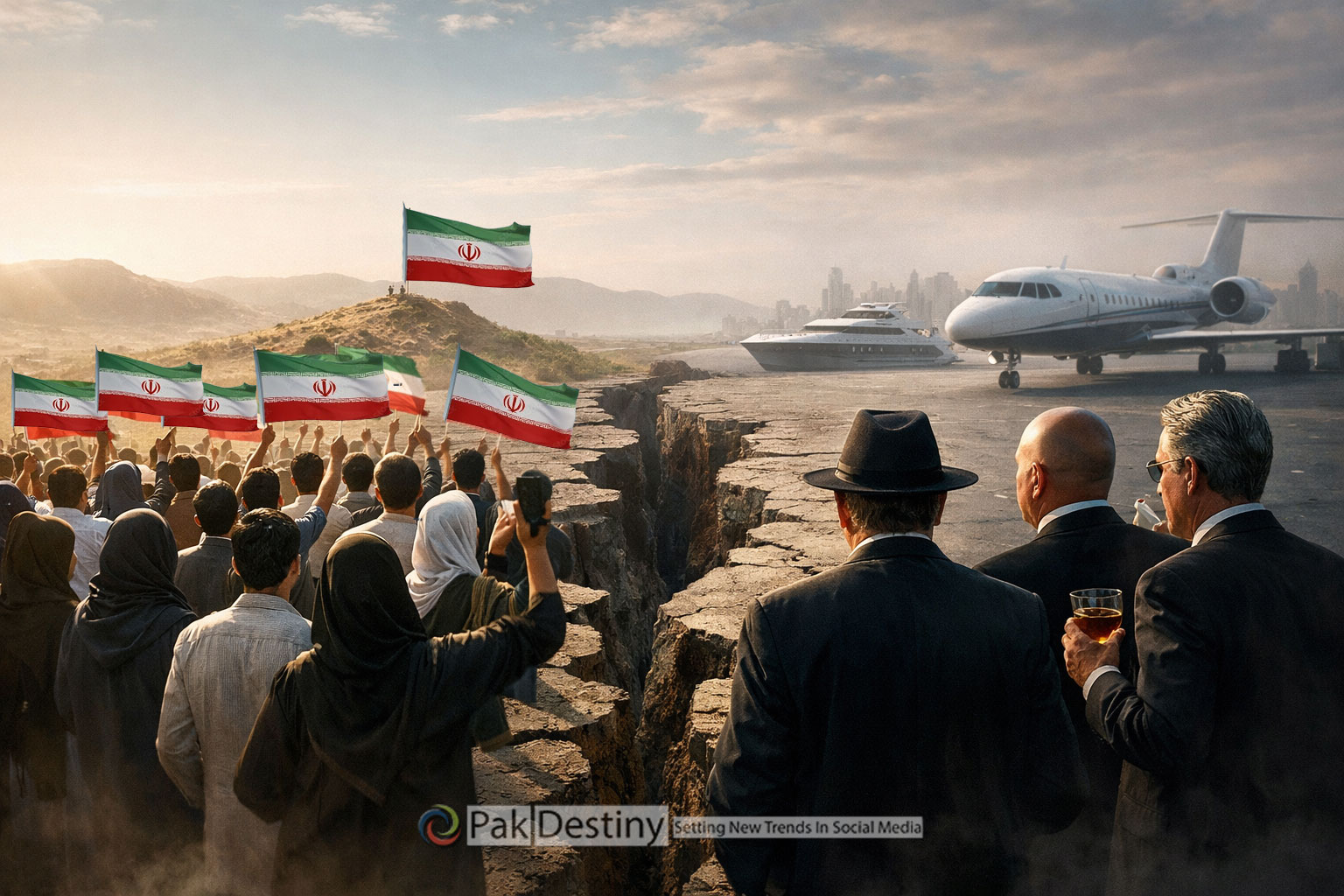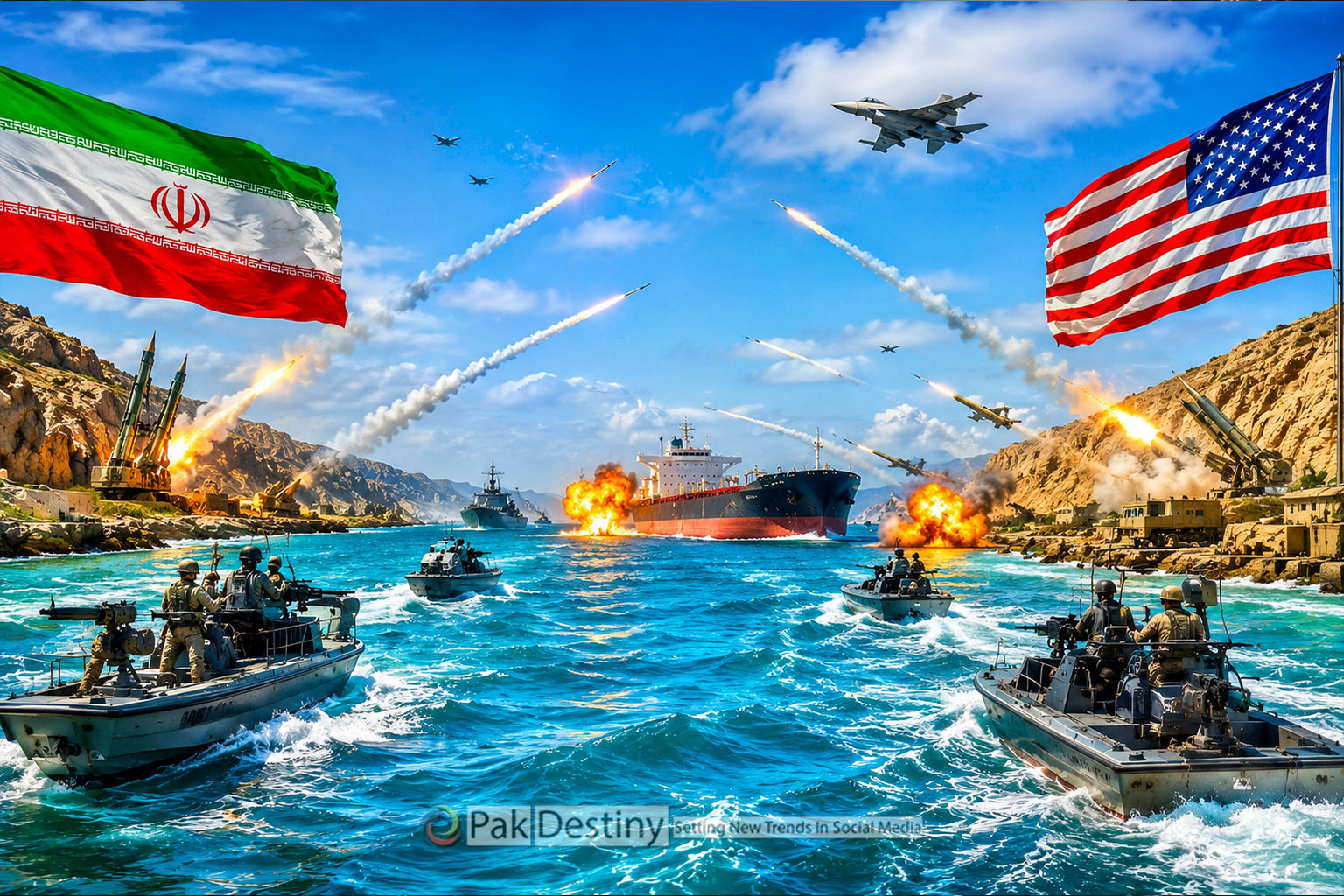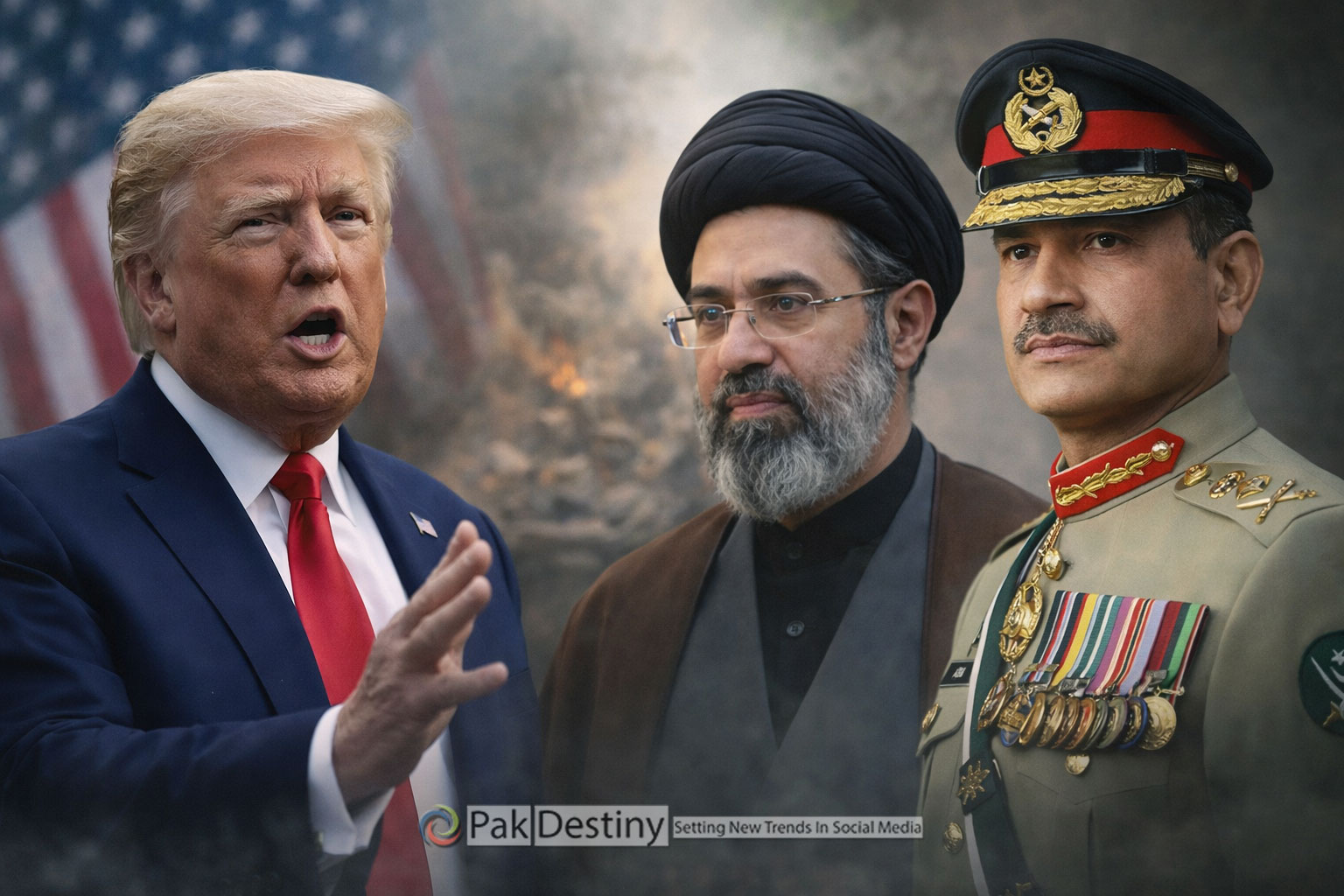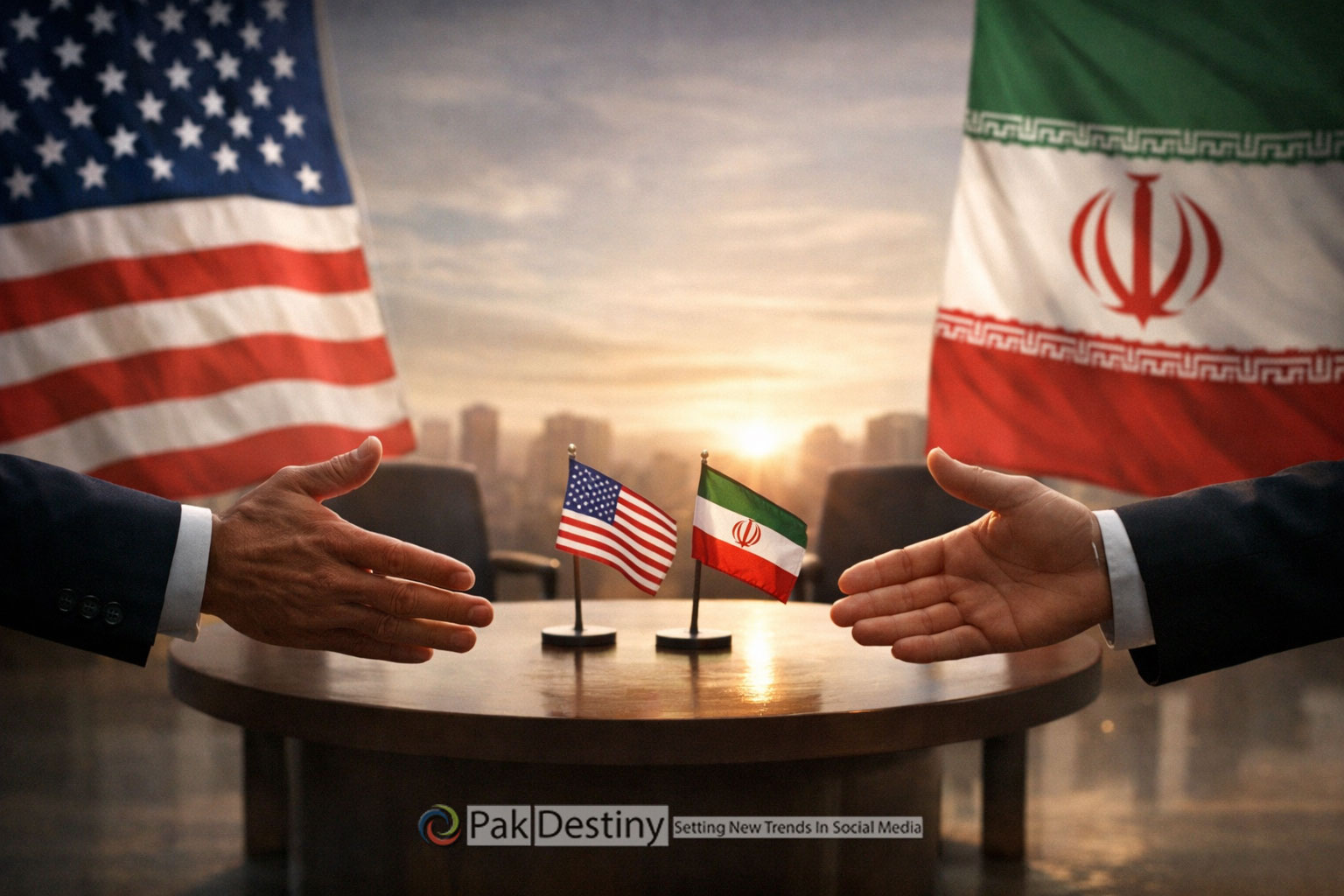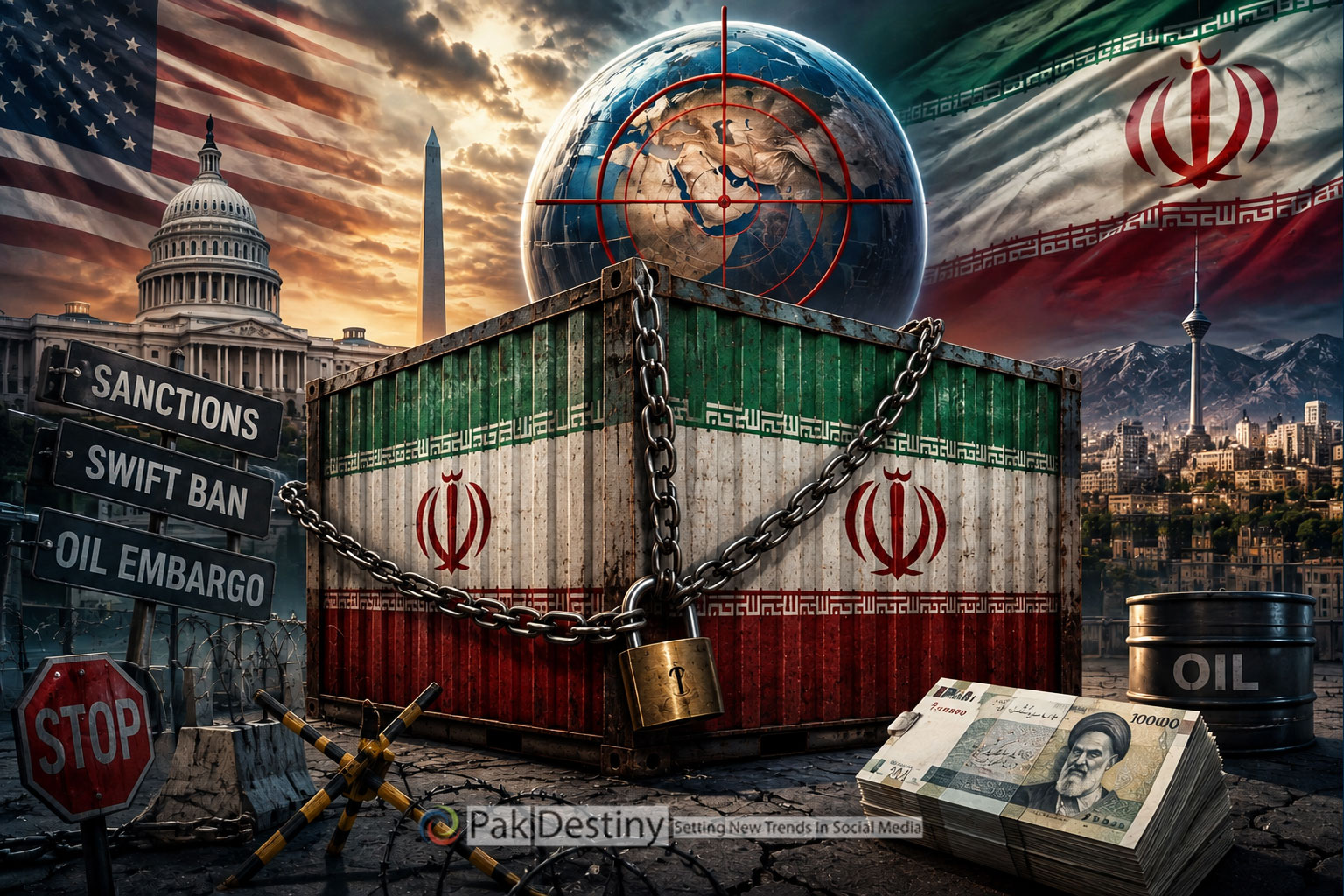
— Washington is moving from military pressure towards an attempt to economically suffocate and globally isolate Tehran, including secondary sanctions against countries and companies that continue doing business with Iran
By Zulqernain
The bombs may be falling less frequently, but America’s war on Iran has entered a potentially more consequential phase — the battle for Iran’s economic survival.
The Trump administration on Monday unveiled what Treasury Secretary Scott Bessent called “Operation Economic Outcast” — an unprecedented campaign designed not merely to sanction Iran, but to sever its remaining links with the global economy.
The message from Washington is brutally simple — Iran will not be allowed to trade its way out of the crisis, and countries doing business with Tehran may themselves pay the price.
Bessent said the United States was targeting more than 60 entities, individuals and vessels connected to Iran’s nuclear and missile programmes, oil revenues and cyber operations.
The administration is also seeking to shut down branches of Iran’s state-owned Bank Melli abroad.
But the most consequential element may not be the sanctions themselves.
It is the warning to everyone else
President Donald Trump is personally contacting world leaders, urging them to cut economic ties with Tehran.
Bessent warned that countries and companies continuing economic engagement with Iran should expect the full reach of American economic power.
This is therefore bigger than another sanctions package.
It is an attempt to turn the American financial system into a global enforcement mechanism.
Washington wants Iran to discover that selling oil, moving money, buying technology, insuring cargoes and maintaining banking relationships are all becoming progressively harder — not because every country has agreed to isolate Tehran, but because the cost of refusing America may become too high.
The real target — Iran’s economic oxygen
For years, Iran has demonstrated considerable resilience under sanctions. It has developed shadow networks, alternative payment mechanisms, oil-smuggling routes and trading relationships designed to bypass American restrictions.
Operation Economic Outcast appears designed to attack precisely those loopholes.
Bessent said the Treasury had mapped the networks Iran uses to move oil and evade sanctions.
The objective is what the administration describes as a “zero leakage” strategy — closing the channels through which Tehran can continue earning foreign currency and rebuilding its economy.
That makes the campaign qualitatively different from simply adding another list of sanctioned Iranian companies.
Washington is trying to make doing business with Iran itself a liability.
And that is where the operation becomes a test not only for Tehran, but for the rest of the world.
China is the elephant in the room
The greatest challenge to the American strategy may be China.
Beijing is Iran’s biggest trading partner, and the Trump administration cannot easily isolate Tehran without confronting the question of how far it is prepared to go against Chinese companies and financial institutions.
Bessent initially avoided naming China, but later made clear that no country was automatically beyond the reach of US sanctions.
That creates a potentially explosive dilemma.
Does Washington impose secondary sanctions on Chinese institutions dealing with Iran and risk another major confrontation with Beijing?
Or does it make exceptions and thereby create precisely the “leakage” the operation is supposed to eliminate?
The answer could determine whether Operation Economic Outcast becomes a genuine economic blockade — or another sanctions regime that Iran learns to circumvent.
The oil question
Iran’s ability to sell oil remains central.
Cutting Tehran’s oil revenues would strike directly at the government’s ability to earn foreign exchange, finance imports and sustain public expenditure.
But eliminating Iranian oil from global markets is not cost-free.
The world economy is still deeply sensitive to Middle Eastern energy disruptions, particularly because the broader conflict has already involved the Strait of Hormuz.
Interestingly, oil prices fell after Bessent’s announcement, suggesting that markets initially interpreted the latest US measures as potentially reducing uncertainty rather than immediately threatening supplies. Brent crude was reported down about 2.3 per cent after the announcement.
But markets can change direction quickly.
If Iran responds by restricting energy flows, targeting shipping or exploiting its regional influence, the economic war could produce consequences far beyond Iran.
The choice Washington is offering Tehran
Bessent framed the choice starkly: Iran can face increasing global isolation and a subsistence economy, or find a route back into the international economic system.
That is effectively an American ultimatum.
The Trump administration appears to believe that military pressure alone cannot force Tehran to make the concessions Washington wants.
So it is now trying to make Iran’s economic pain impossible to escape.
The calculation is straightforward: if the Iranian leadership cannot sell enough oil, access enough banking channels, attract investment or maintain international commercial relationships, domestic economic pressure will eventually become political pressure.
But that calculation carries a risk.
Iran has endured decades of sanctions without surrendering its strategic ambitions. Economic isolation can weaken a state; it does not automatically change its political choices.
Indeed, history shows that prolonged sanctions can sometimes strengthen a government’s narrative that it is resisting foreign coercion.
This is also a test of American power
Operation Economic Outcast ultimately asks a larger question:
How much of the global economy can Washington still command?
The US dollar, American banks, shipping insurance, financial clearing systems and access to American markets give Washington extraordinary leverage.
But every time that leverage is used against another country, affected states have an incentive to build alternatives.
Iran is not alone in trying to reduce dependence on the Western financial system. China, Russia and others have been exploring alternative payment arrangements and trading mechanisms for years.
The more aggressively Washington weaponises economic interdependence, the stronger the incentive for others to reduce that interdependence.
That is the paradox at the heart of America’s economic war.
The United States may be able to isolate Iran. But the attempt to do so could also accelerate the fragmentation of the global economic system.
For Tehran, Operation Economic Outcast is about survival.
For Washington, it is about coercion.
For the rest of the world, it may become a test of how far American economic power can still reach — and how many countries are willing to step outside its reach.