By Irum Saleem
A fresh attack on a commercial vessel in the Strait of Hormuz and subsequent US retaliatory strikes against Iranian targets have cast fresh doubt over the durability of the recently brokered US-Iran agreement, raising fears of renewed military escalation in one of the world’s most strategically vital waterways.
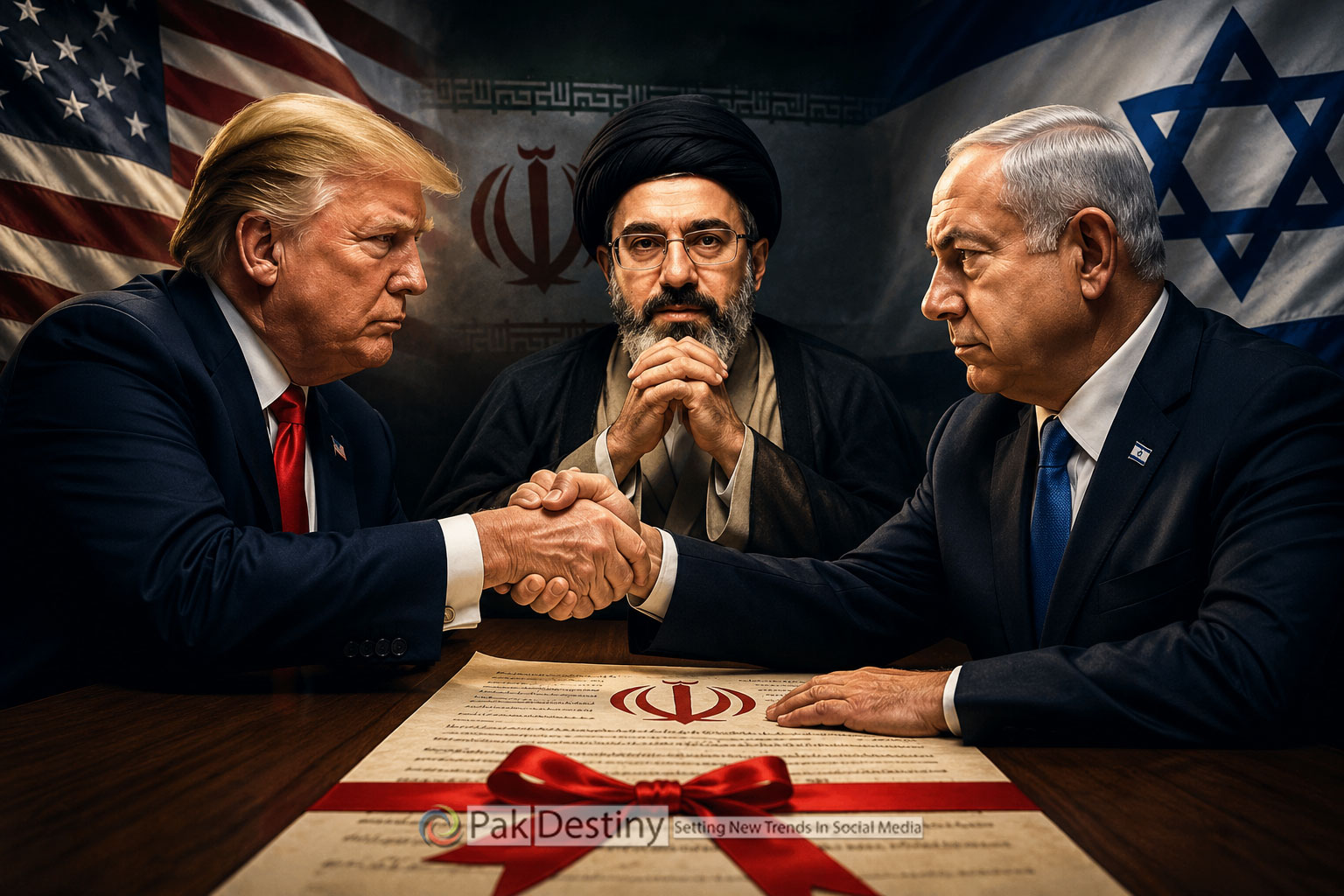
The latest flare-up comes barely a week after Washington and Tehran signed an initial agreement aimed at ending months of hostilities, reopening the Strait of Hormuz, easing sanctions on Iran, and launching negotiations on a broader nuclear and regional security settlement. Mediated by Pakistan and Qatar, the agreement also established a roadmap for a comprehensive accord within 60 days.
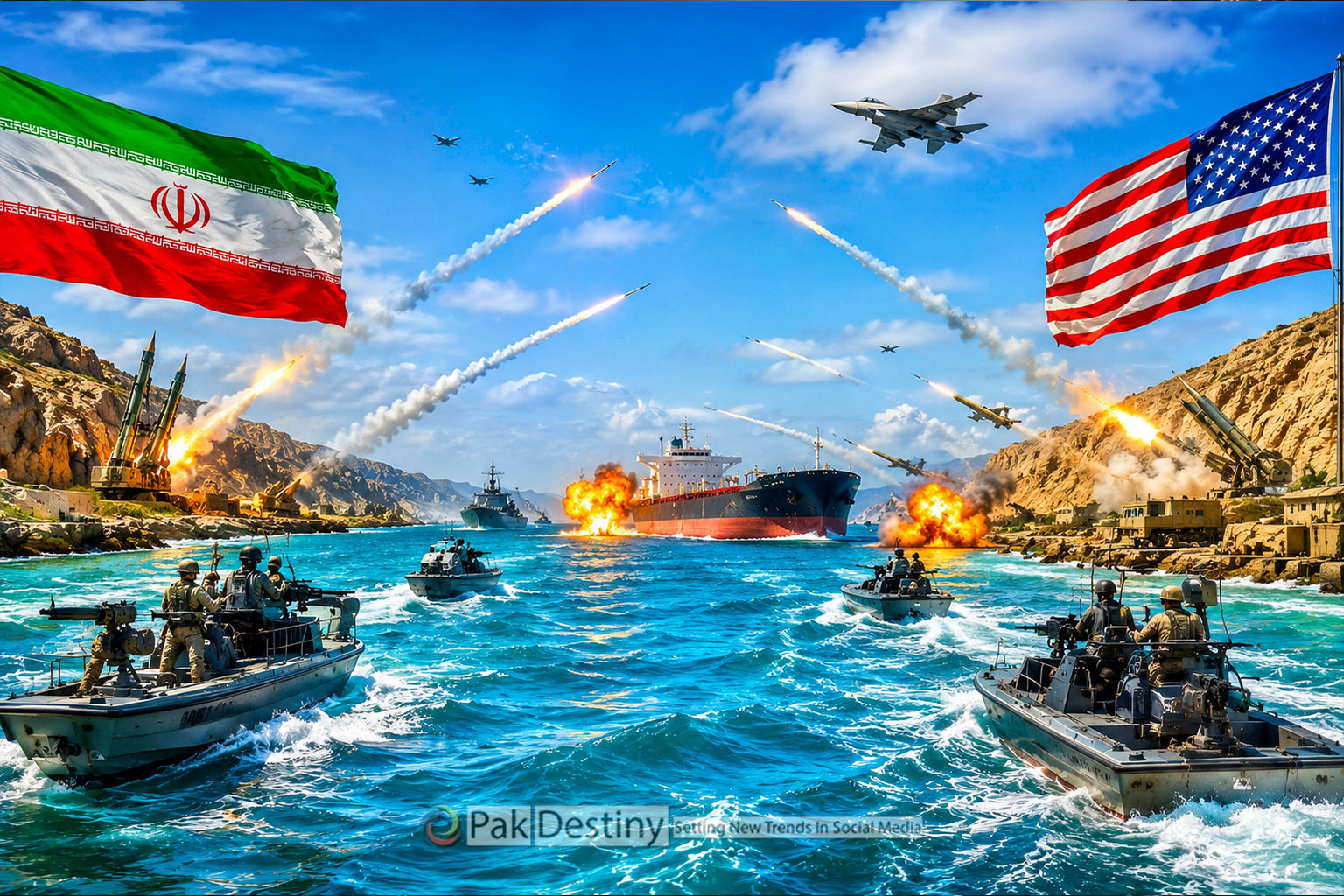
According to US officials, Iran launched a drone attack on a commercial cargo vessel transiting the Strait of Hormuz, prompting American forces to carry out what they described as limited retaliatory strikes on Iranian missile and drone facilities near the strategic waterway. Tehran, however, rejected the US account, accusing Washington of violating the ceasefire first and insisting that its actions were defensive.
The exchange of strikes has heightened concerns that the fragile understanding between the two adversaries could unravel before negotiators conclude technical talks in Switzerland.
The Strait of Hormuz, through which a significant share of the world’s seaborne crude oil and liquefied natural gas passes, remains central to the dispute. Even limited disruptions to shipping have unsettled maritime operators and insurance markets, while traders remain wary of further volatility in global energy prices. Oil prices rose immediately after reports of the latest confrontation before stabilising amid hopes that the conflict would remain contained.
Analysts say the latest incident highlights the biggest challenge facing the emerging US-Iran détente: translating a political agreement into stable security arrangements on the ground. While both sides continue to publicly support negotiations, mutual accusations of violating the ceasefire risk undermining confidence and strengthening hardliners opposed to compromise.
Diplomatic efforts are expected to continue despite the setback, with mediators seeking to preserve the agreement and prevent further escalation in the Gulf. However, the latest violence underscores how quickly isolated military incidents in the Strait of Hormuz can jeopardise broader diplomatic progress and threaten regional stability.