— A disappointing commentary panel has turned the television experience of the Pakistan-Sri Lanka Test series into an ordeal for cricket fans, with uninspiring observations, childish remarks and questionable choices of commentators overshadowing the action on the field
By Wajih Ahmad Sheikh
There are few things more frustrating for a cricket enthusiast than watching an engrossing Test match while being subjected to uninspiring and, at times, embarrassingly childish commentary.
Unfortunately, that is precisely the experience viewers have been enduring during the ongoing Pakistan-Sri Lanka Test series in Rawalpindi.
One would expect a panel of former international cricketers and experienced commentators to bring depth, insight and a better understanding of the game to the broadcast. Instead, much of the commentary has been disappointing, with superficial observations, unnecessary remarks and exchanges that do little to enrich the viewing experience.
The problem is not that commentators occasionally make mistakes or indulge in light-hearted conversation. Cricket commentary has always had room for humour, banter and spontaneous exchanges. The issue arises when such conversations begin to overshadow the game itself and the commentary offers little meaningful analysis of what is unfolding in the middle.
The panel includes former Pakistan opening batter Aamir Sohail, former international cricketer Bazid Khan, former Pakistan women’s cricketer Marina Iqbal and Sri Lankan commentator Roshan Abeysinghe.
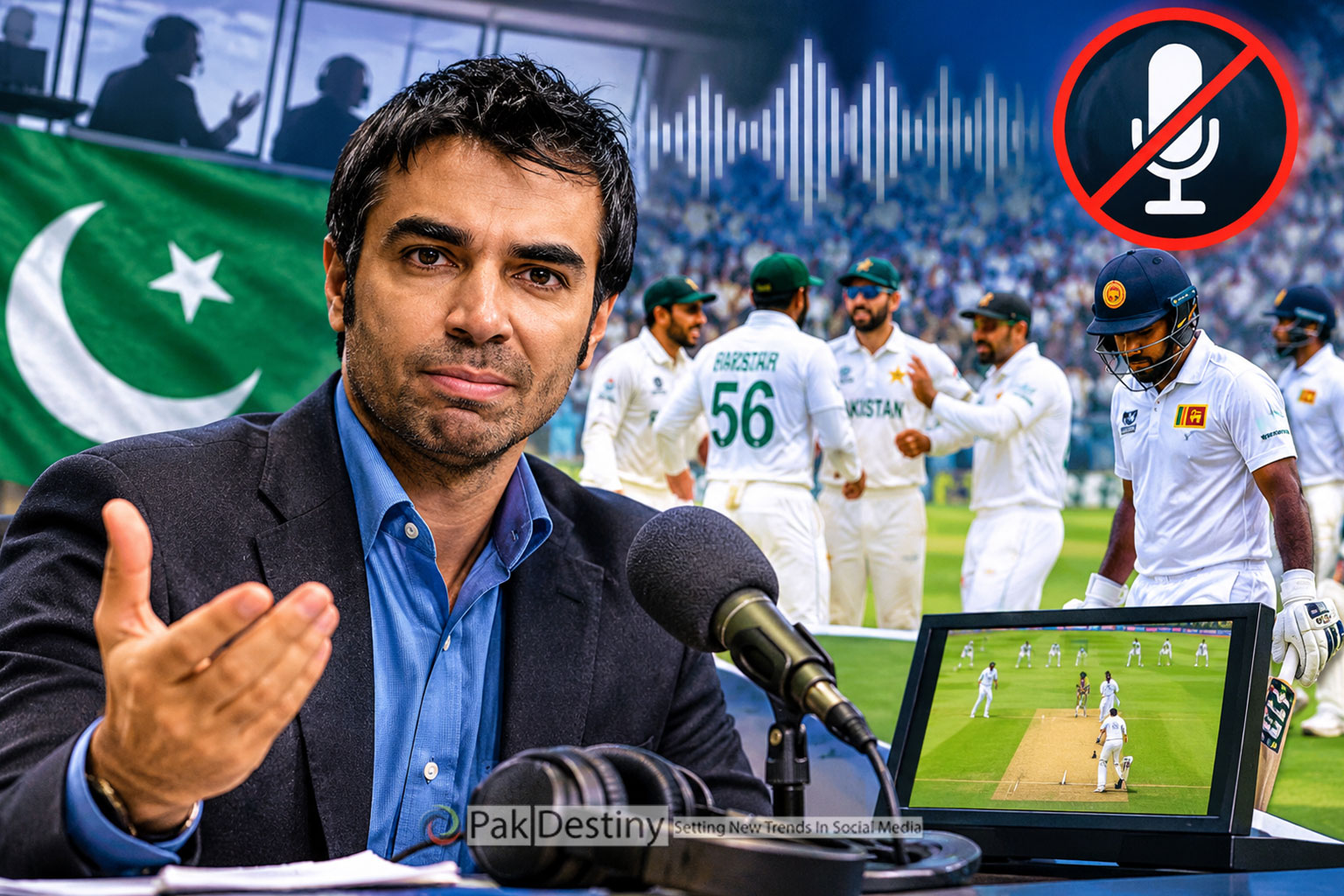
Former Pakistan captain Salman Butt has also been part of the commentary team, a choice that has raised eyebrows given his controversial past.
Butt was convicted in the 2010 spot-fixing scandal involving Pakistan’s tour of England and received a 30-month prison sentence from a British court.
The International Cricket Council subsequently banned him for 10 years, with five years suspended, for his involvement in the scandal. Although his ban has long since expired, his inclusion in a prominent commentary panel inevitably invites questions about the standards and considerations applied when selecting cricket broadcasters.
There is, of course, a distinction between serving a punishment and being permanently excluded from professional life. However, cricket is a sport that has repeatedly struggled to restore public confidence after corruption scandals. Broadcasters and cricket authorities must therefore remain conscious of the sensitivities surrounding the appointment of individuals associated with match-fixing.
More importantly, the quality of commentary itself needs serious attention.
Former international cricketers are expected to explain the technical and tactical dimensions of the game, assess bowling changes, analyse batting approaches and provide viewers with insights that ordinary spectators might otherwise miss.
Instead, viewers are often left wondering whether they are listening to a professional cricket broadcast or an informal gathering of friends having a casual conversation.
Test cricket, in particular, demands thoughtful commentary. It is a format built around patience, strategy, changing conditions and the psychological battle between batters and bowlers.
A good commentator can make even a quiet session fascinating by explaining the significance of field placements, bowling spells, pitch behaviour and a captain’s decisions.
The present commentary, however, has frequently failed to deliver that experience. The result is that viewers find themselves contemplating muting the television and simply watching the cricket rather than listening to those assigned to explain it.
Pakistan has produced some outstanding cricket commentators who have earned international recognition for their knowledge, articulation and ability to bring a match alive. Their legacy makes the current standard even more difficult to accept.
The Pakistan-Sri Lanka Test series deserves a broadcast that does justice to the quality and tradition of the game. Cricket fans are not asking for constant excitement or rehearsed speeches. They simply want informed, intelligent and engaging commentary.
After all, the purpose of a commentary panel is to enhance the cricket-watching experience, not become the reason viewers reach for the mute button.

About the author: Wajih Ahmad Sheikh is a senior journalist associated with DAWN with more than two decades.
He writes on sports for digital platforms. He is found on X @wajihsheikh
He can be reached at [email protected]