— The ripples of this may be felt for years to come
By Raza Ruman
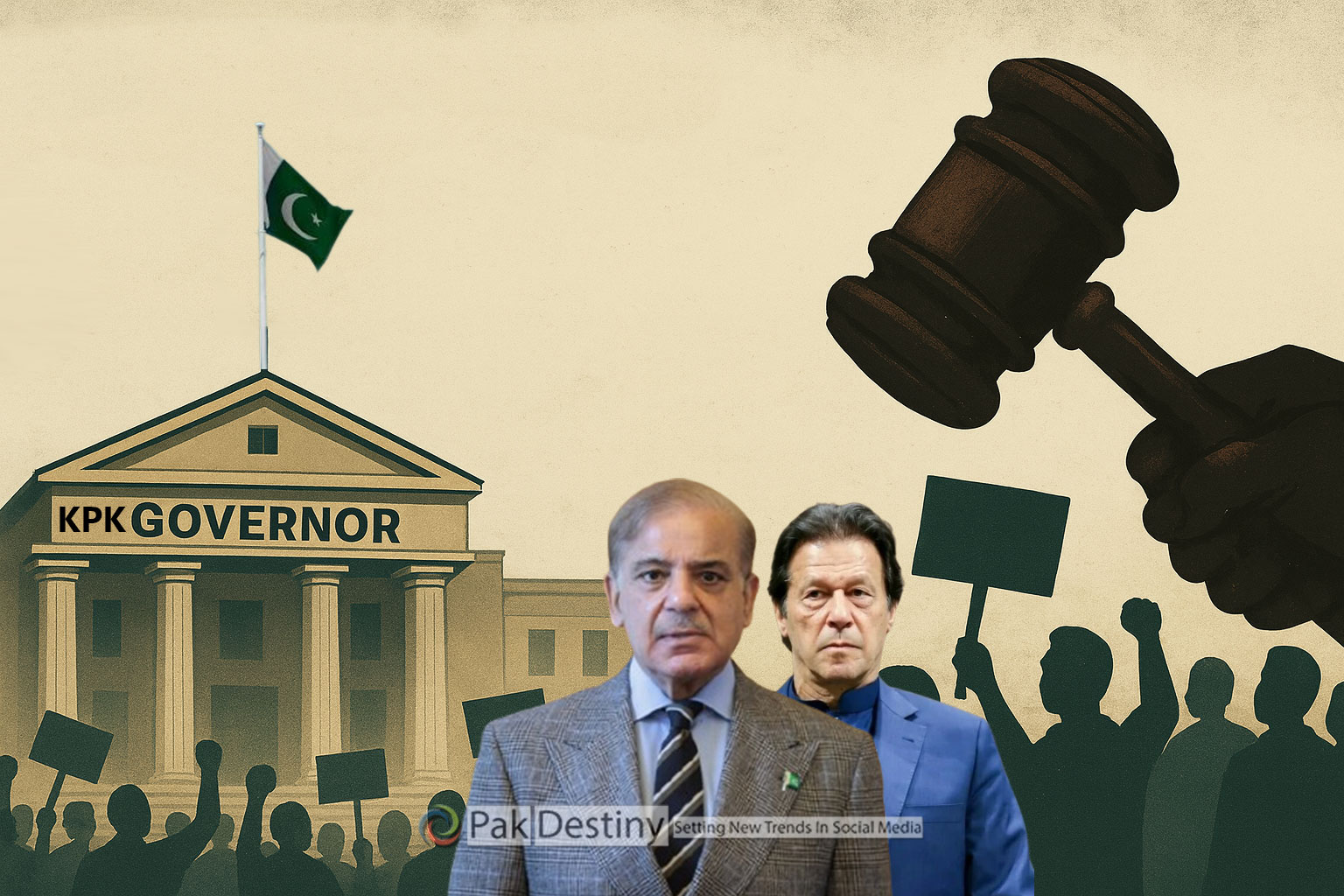
“It would be most unfortunate if it were to happen. The imposition of governor’s rule in KP would be yet another instance of the federation attempting to override the public’s mandate,” Dawn writes.
The consequences this would entail for Pakistan’s floundering democracy do not need to be spelt out. Thankfully, for now, it seems to be just bluster. The ruling party in KP does not appear too flustered by the threat. The PTI’s information secretary, Sheikh Waqas Akram, had previously dismissed the talk of governor’s rule as a mere “feeler”. He had also downplayed the impact of such a move on his party, saying “it would not significantly impact” it.
KP Chief Minister Sohail Afridi dared the federal government — that justifies such a move on account of security threats and the provincial leadership’s failure to address these — to try to impose it. While some may see this as putting up a brave face, one also cannot help but notice the sense of defiance and resignation implicit in those words. It seems that the PTI feels that it has nothing more to lose even if it is ejected from the system. Perhaps it is fed up with the niceties of procedural politics.
“But the question remains: is there any need for such a serious confrontation between the centre and one of its federating units? The federal government may keep citing ‘security and governance issues’ in KP as its motivation for considering the move but the fact is that both issues are deep-rooted and cannot realistically be solved merely by removing one political party from the equation. There is also the question of what the public wants. Right now, the prescription for governor’s rule is coming from decision-makers far removed from the lived realities of the people of KP. Unless the latter decide by majority that they no longer wish to be ruled by the present political dispensation, this decision should not be imposed on them. It only risks creating more turmoil, which could potentially worsen both security and governance instead of improving the situation.”
Dawn says lastly, all political parties, especially the ones in government, should keep an eye on the future. What can happen in one place can easily happen in another. They should think long and hard about whether this precedent is worthy of being set. The ripples of this may be felt for years to come.