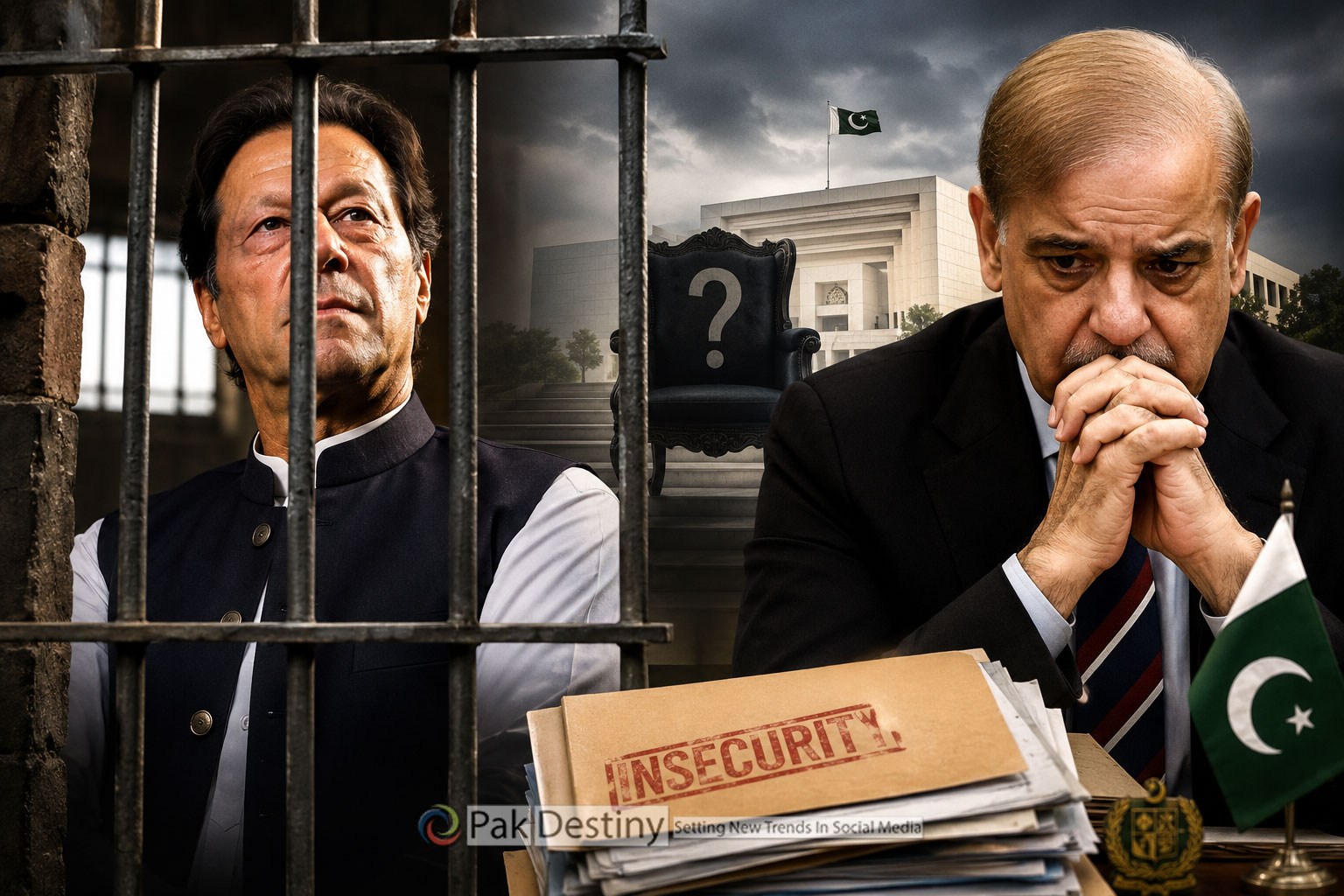
— What should have been a routine implementation of a Supreme Court order turned into a political confrontation, leaving the PML-N looking defensive, the judiciary diminished and Imran Khan more politically relevant than ever.
By Nazim Malik
The government had a remarkably simple way out of the Imran Khan hospital controversy: take the jailed former prime minister to the hospital named by the Supreme Court, allow the prescribed medical examinations to be conducted under the supervision of people he trusts, and move on.
Instead, it chose confrontation.
Despite explicit directions from the Supreme Court, the government delayed implementation until the last possible moment and then sought to claim that it had fulfilled the order in a merely “technical” sense. The question is obvious: to what end?
In trying to assert its own interpretation of the court’s directive, the government transformed what should have been a routine matter concerning a prisoner’s medical care into a full-blown political crisis.
The irony is that, in doing so, the government itself helped demonstrate that Imran Khan remains a formidable political force. For an entire day, Pakistani news channels were dominated by the question of whether the former prime minister would be shifted to hospital.
What could have been a low-key administrative decision became a high-stakes confrontation between the government and the judiciary.
This is hardly the first occasion on which the government has appeared determined to impose its own reading of a judicial order rather than comply with its spirit and letter. But this episode was particularly revealing because it exposed a nervousness that political rhetoric could not conceal.
The reaction from PML-N ministers and government-aligned voices following the Supreme Court’s intervention suggested that the order had struck a particularly sensitive nerve.
Rather than treating it as a judicial direction concerning a prisoner’s health, the government appeared to view it through the prism of political competition.
Yet the other side did little to preserve the judiciary’s authority either.
The Supreme Court had attached a clear condition to the relief granted to Mr Khan: his family and lawyers were not to politicise or publicly discuss his health.
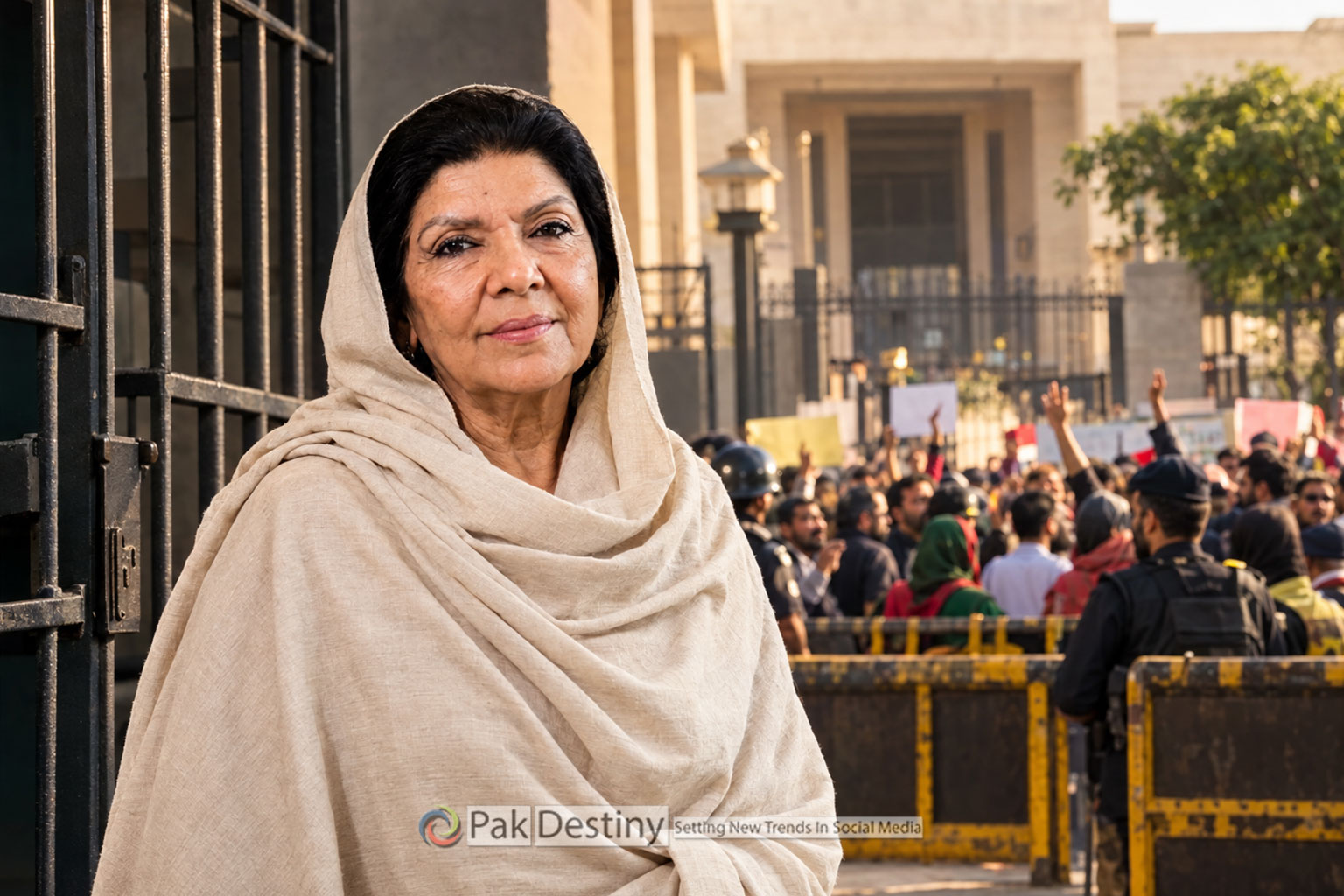
Despite that, his sister, Dr Uzma Khan, held a media briefing on Friday, detailing her meeting with the PTI founder and publicly discussing the health complaints he had shared with her.
Whatever the justification, this too amounted to a disregard for the court’s stated conditions.
Thus, both sides ended up weakening the institution whose order had triggered the confrontation.
The government appeared unwilling to accept the court’s intervention on its terms, while Mr Khan’s family appeared willing to disregard restrictions attached to the relief granted to him.
The result was deeply unfortunate: the Supreme Court was made to look powerless by both sides.
For the PML-N, however, the political cost may prove greater.
The government appears determined to keep Mr Khan behind bars and out of the public arena. Yet every confrontation over his detention, health or access to medical treatment has the opposite effect: it keeps his name at the centre of national politics.
At a time when the government is reportedly preparing important legislative changes, while an increasingly assertive coalition partner is reaching out to opposition forces to extract concessions and challenge the government’s agenda, the PML-N can ill afford to appear politically rattled.
It did not need to fight this battle.
A little magnanimity would have cost the government very little. Allowing a prisoner access to a hospital of his choice, particularly when ordered by the country’s highest court, would hardly have amounted to surrender. It could instead have projected confidence, restraint and respect for the judiciary.
The government still has an opportunity to change course.
There is no political wisdom in turning access to medical care into another battlefield. With growing concern over the treatment and prolonged incarceration of political prisoners — including women held for unprecedented periods — the government would do better to choose magnanimity over retribution.
The Imran Khan episode has exposed an uncomfortable truth: the government may have the machinery of power, but its nervousness over one jailed political opponent is making that power look considerably less secure.