— Extremely difficult for the global aviation industry to cope rising jet fuel
— Drones everywhere in the skies of Middle East
By Raza Ruman
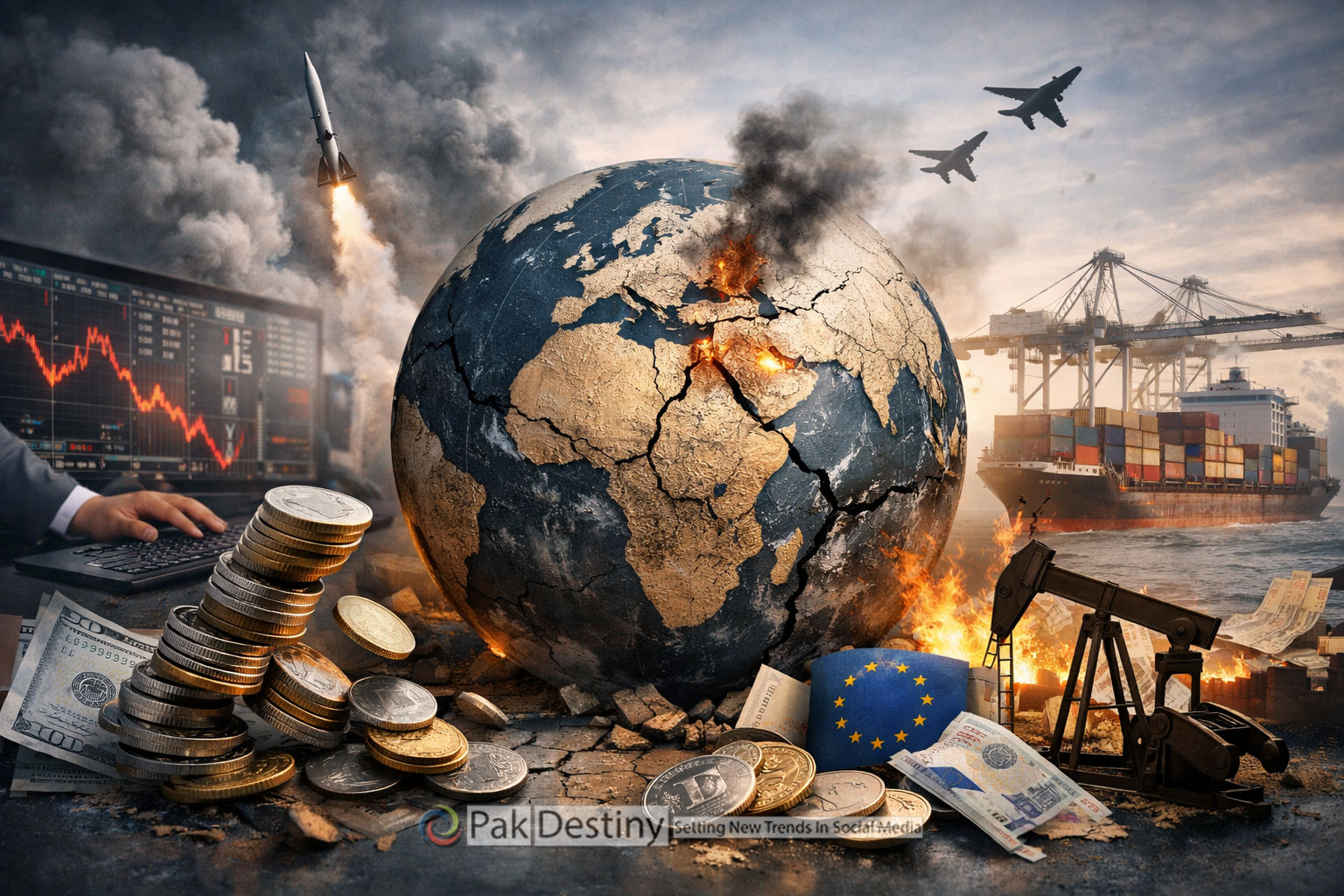
“As the relentless exchange of missiles and drones, which seem to be flying, crashing and exploding all over the Middle East, continues to rattle economies near and far, matters have also turned extremely difficult for the global aviation industry,” Dawn says.
The closure of the Strait of Hormuz and the pernicious targeting of the region’s energy infrastructure have throttled global fuel supply lines, pushing jet fuel prices through the roof and upending the industry’s economics.
“Not only that, the war has greatly expanded no-fly zones for global airlines, which were already facing difficulties due to the war in Ukraine and the sporadic outbreak of other international conflicts, including the recent clashes between Pakistan and Afghanistan.”
The paper says to make matters worse, pilots now have to contend with the constant risk of being mistaken for a hostile entity, and with drones seemingly everywhere in the skies, there is always a chance of a dangerous accident that could end in a gruesome tragedy.
“War and conflicts around the world have also been difficult on travellers, with many finding themselves stranded and facing unending uncertainty. Air fares have shot up on routes that are still functioning due to surges in demand, and flight times have increased by painful degrees because of airspace closures along some of the busiest routes and around some major hubs of the industry. Now, increased jet fuel prices may further push air travel out of the reach of price-sensitive segments.”
The US president, having driven the entire world into a crisis of his making, on Tuesday washed his hands of the mess by telling all countries “that can’t get jet fuel because of the Strait of Hormuz” to go take it themselves. “Go get your own oil!” he posted on social media yesterday, directing his frustration at all of America’s allies for refusing “to get involved in the decapitation of Iran”.
“In Pakistan, PIA’s new owners are already worried they may have to shut shop after the 150pc increase in jet fuel prices. Though the airline was only recently privatised, it seems it is once again hoping for a government bailout. But the chairman of the consortium that now owns it does have a point: it is not only the rich and powerful who use aeroplanes,” Dawn says.
The changing economics of air travel will also impact business leaders who need to move about frequently to manage large operations.
Without stabilisation of energy markets and the de-escalation of regional hostilities, the aviation industry faces uncertain times. In such a scenario, the promise of a seamlessly connected ‘global village’ may give way to a more fragmented reality; one in which mobility is constrained, costs are prohibitive, and vast parts of the world grow increasingly distant from one another, the paper says.