‘Real spending is fuel and privileges’ of ‘baboos’ of the Sharif govt — Moonis
— “PMLN government shifting a huge economic burden onto public”
By Zulqernain
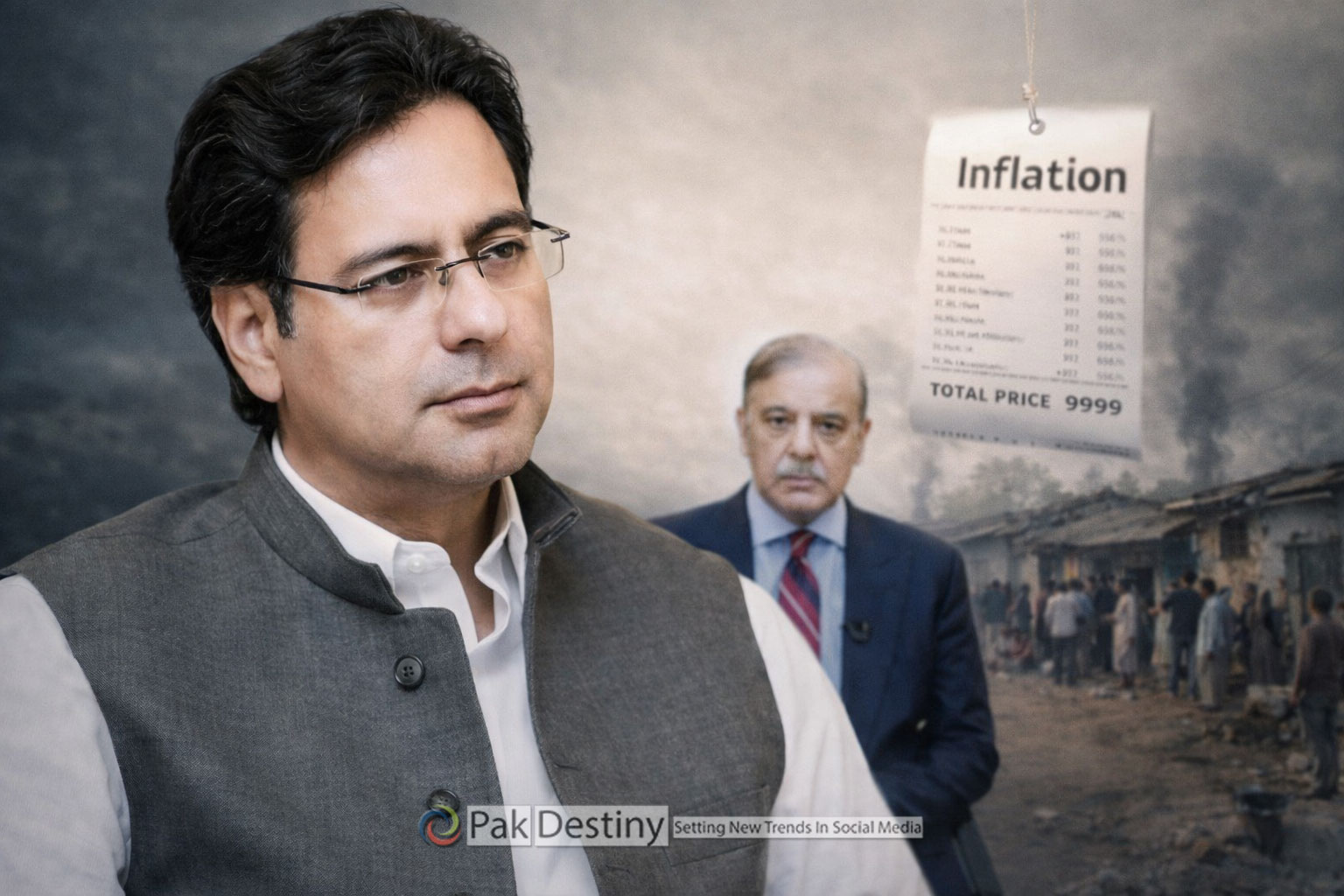
Senior leader of Pakistan Tehreek-e-Insaf and former federal minister Moonis Elahi has sharply criticised the announcement by Prime Minister Shehbaz Sharif that members of the federal cabinet would forgo their salaries for two months in order to help offset the economic pressures created by the ongoing conflict in the Middle East.
کابینہ تنخواہ نہیں لے گی؟یہ بچت نہیں، ڈرامہ ہے۔اصل خرچ وہ پٹرول اور مراعات ہیں جو کابینہ اور ان کے کارندے عوام کے پیسے سے اڑاتے ہیں۔
— Moonis Elahi (@MoonisElahi) March 9, 2026
In a post on the social media platform X (formerly Twitter) on Monday, Moonis Elahi said the move was largely symbolic and did little to address the deeper economic problems faced by ordinary citizens.
According to Mr Moonis, the decision was being presented as a relief measure for the public, but in practical terms it would not significantly reduce government expenditure or ease the financial burden on the population.
پٹرول کی قیمت بڑھتے ہی مہنگائی کا سیلاب۔
— Moonis Elahi (@MoonisElahi) March 8, 2026
ضروری اشیاء پہلے ہی دن تقریباً 30٪ مہنگی۔جعلی حکمرانوں نے عوام کو ریلیف دینے کے بجائے سارا بوجھ انہی پر ڈال دیا۔
The former minister argued that the announcement instead exposed what he described as the weaknesses of the current political setup, which the opposition often refers to as the “Form-47 regime” — a term used by critics to question the legitimacy of the PMLN government formed after the 2024 elections.
In his view, the government was attempting to create the impression of austerity while the real sources of public spending remained untouched.
“If the cabinet won’t take salaries, is that really saving money? This is not savings — it’s a drama,” Moonis Elahi wrote.
He maintained that cabinet salaries constitute only a small portion of the overall government expenditure.
شہبازشریف صاحب ہمت ہے تو اب اپنے کپڑے بیچو، عوام کے تن سے تو کپڑے مت کھینچو۔ pic.twitter.com/P3jmxIO8qM
— Moonis Elahi (@MoonisElahi) March 9, 2026
Mr Moonis further said the major financial burden comes from the extensive benefits and privileges enjoyed by ministers and senior officials, particularly expenditures on official vehicles, fuel consumption, security convoys, and other administrative perks funded through the public exchequer.
Moonis Elahi also linked the issue to the recent rise in fuel prices.
He said that the increase in petrol prices had an immediate and cascading impact on the cost of living across the country. Fuel prices in Pakistan play a central role in determining transportation and production costs, meaning that even a modest increase can quickly translate into higher prices for food items, utilities, and daily essentials.
Moonis said that the impact was felt almost instantly in markets, with essential commodities witnessing a sharp surge in prices.
“As soon as petrol prices increased, a wave of inflation followed,” the PTI leader said, adding that basic goods became “almost 30 percent more expensive on the very first day.” According to him, this rapid rise in prices highlighted the vulnerability of consumers who were already struggling with high inflation and declining purchasing power.
The former minister argued that instead of introducing measures to protect the public from the ripple effects of rising fuel costs, the government had effectively transferred the financial burden onto citizens. In his criticism, he said the authorities should have focused on structural reforms, reducing non-essential government spending, and curbing official privileges rather than announcing symbolic salary cuts.
“Instead of providing relief to the public, the illegitimate rulers have shifted the entire burden onto the people,” he said.
Moonis Elahi’s emarks reflect the broader political debate in Pakistan over economic management, austerity measures, and the rising cost of living.
Opposition leaders have frequently accused the government of adopting policies that increase financial pressure on the public while failing to significantly reduce state expenditures or improve economic stability.