By Wajih Ahmad Sheikh
LAHORE: Pakistan’s 5-3 defeat by India at the Hockey World Cup-2026 on Wednesday was more than another painful chapter in one of sport’s most celebrated rivalries.
It was a reminder that Pakistan’s decline in international hockey is now structural rather than temporary.
The defeat ended Pakistan’s hopes of progressing from Pool D, leaving the four-time world champions facing yet another early exit from a tournament they once dominated. India, meanwhile, advanced to the next round.
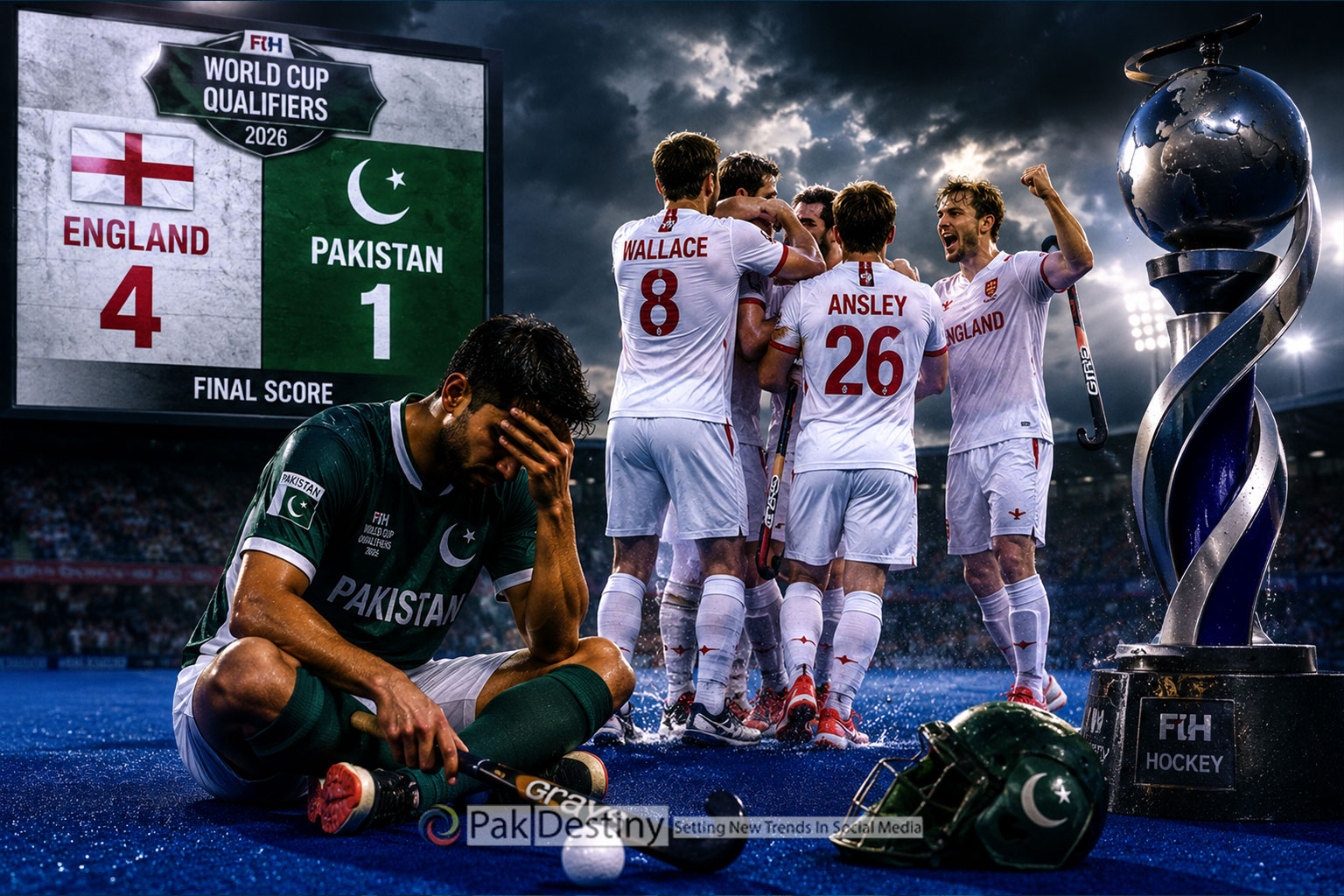
Pakistan’s campaign had already exposed its vulnerabilities. A 4-1 defeat by England in the opening match was followed by a narrow 4-2 victory over Wales. Against India, Pakistan showed considerably more attacking intent and fought back after falling behind, but could not sustain the pressure for the full 60 minutes.
Pakistan can compete in spells, but struggles to control matches against stronger opponents.
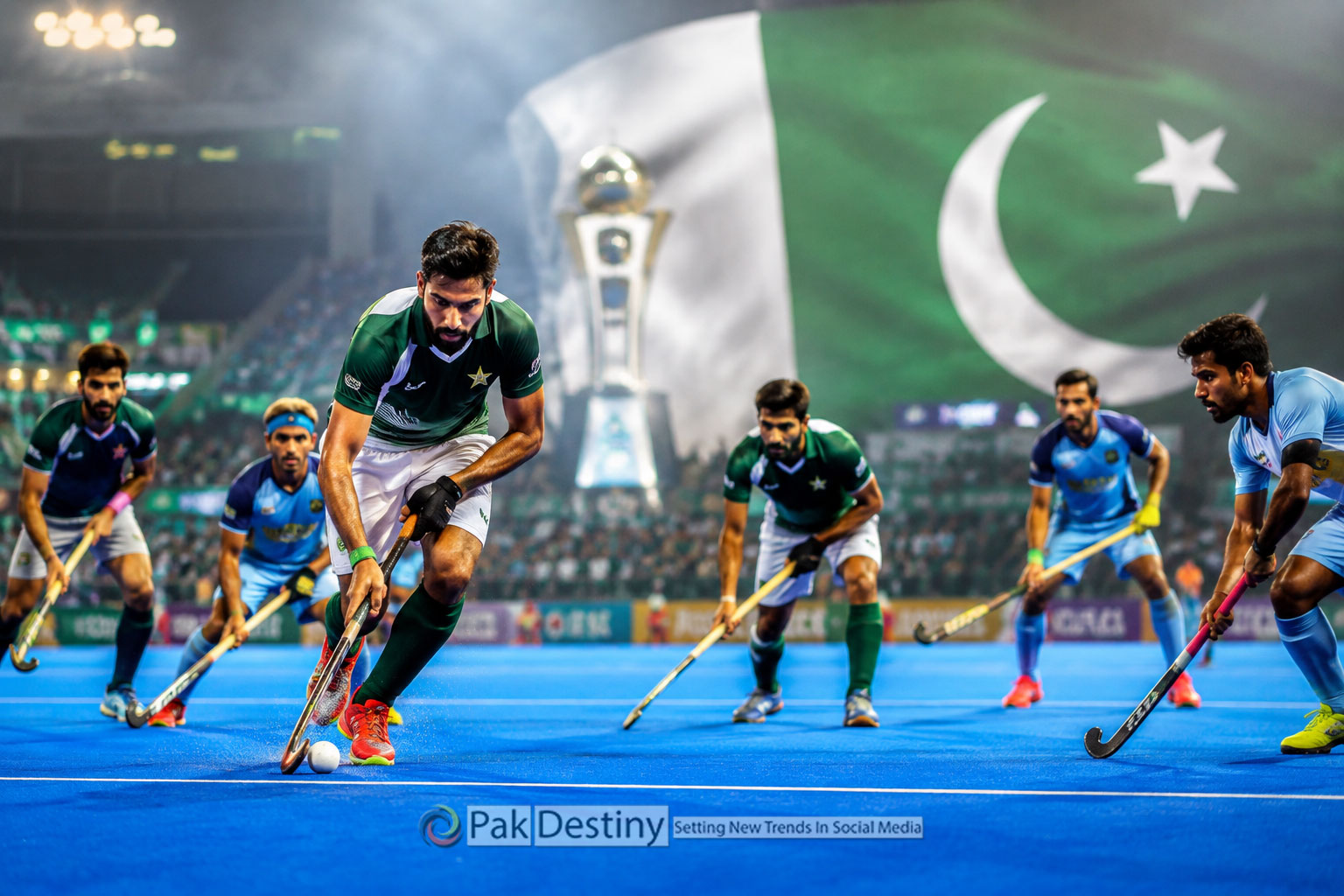
The India match illustrated the problem perfectly. India raced into a three-goal lead before Pakistan produced its best spell and reduced the deficit. But just when the Green Shirts appeared capable of completing the comeback, India restored its advantage and managed the closing stages more effectively.
The worrying aspect is not simply the result. It is the gap in fitness, tactical discipline, decision-making and consistency.
Only weeks before the World Cup, Pakistan had finished bottom of the nine-team FIH Pro League without a win. It suffered two defeats against India, including a humiliating 7-1 loss, while England also inflicted a 7-0 defeat. Pakistan’s relegation from the Pro League was therefore a clear warning that the team was not ready to compete consistently at the highest level.
The Pakistan Hockey Federation recognised the seriousness of the situation by changing the coaching setup shortly before the World Cup. Dutch coach Herman Kruis was appointed as national head coach, while foreign specialists were brought in for fitness, goalkeeping and sports psychology.
But changing coaches shortly before a World Cup cannot repair years of institutional decay.
That is perhaps the central lesson from Pakistan’s campaign. The problem is not that Pakistan lacks talented players. Individual moments from Hannan Shahid, Sufyan Khan and others showed that the raw material remains. The problem is the system that develops, prepares and sustains those players.
Former Pakistan captain Salman Akbar has also pointed to the weakness of the domestic structure as a major reason for the country’s decline, contrasting it with India’s efforts to rebuild its hockey system.
India’s progress is particularly instructive. Its national team now combines experienced players with younger talent and operates within a more settled tactical structure. Hockey India’s 2026 squad, for example, was built around established figures such as Harmanpreet Singh and Manpreet Singh alongside younger players, with coach Craig Fulton emphasising a consistent “press, counter, perform” approach.
Pakistan, by contrast, continues to make short-term interventions whenever a major tournament approaches.
The result is a vicious cycle: poor domestic structure produces inconsistent players; inconsistent preparation produces poor international results; poor results trigger another administrative or coaching overhaul; and the cycle begins again.
The India defeat should, therefore, not be treated merely as a sporting disappointment or a matter of rivalry. It should force a much more uncomfortable question: why has Pakistan, once the most successful team in World Cup history with four titles, been unable to build a sustainable pathway back to the elite?
The answer will not be found in replacing one coach or dropping a few players.
Pakistan needs a functioning domestic competition structure, professional coaching at junior level, modern sports science, fitness programmes, regular international exposure and, above all, continuity in administration and selection.
Until those foundations are rebuilt, victories over major opponents will remain isolated moments rather than evidence of a genuine revival.
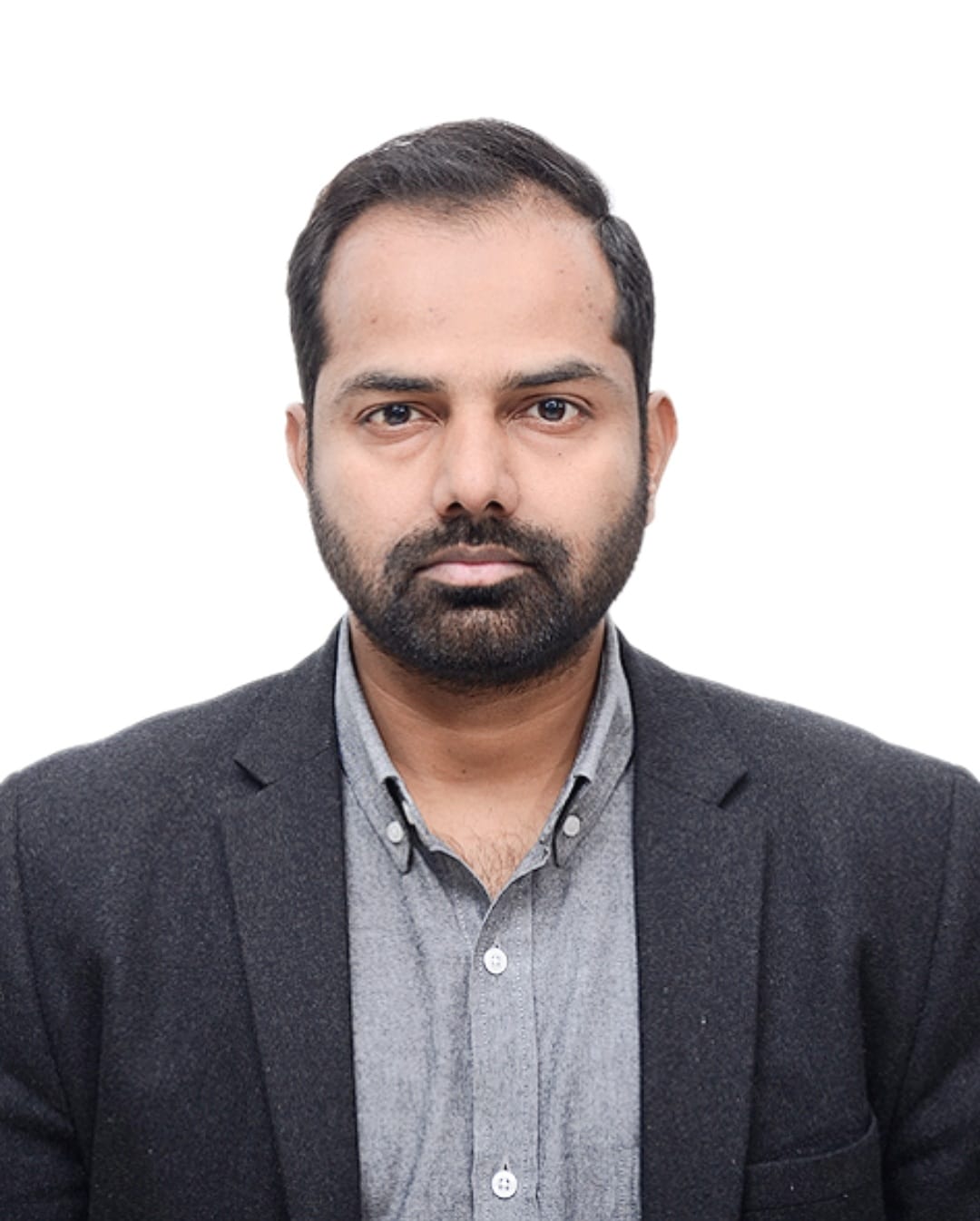
About the author: Wajih Ahmad Sheikh is a senior journalist associated with DAWN with more than two decades.
He writes on sports for digital platforms. He is found on X @wajihsheikh
He can be reached at [email protected]