— Middle East aftershock: How Iran war shattered America’s security umbrella in the Gulf
— War exposes limits of US power as Gulf states rethink survival strategy
By Irum Saleem
The US-Israel war on Iran may not be over, but it has already exposed profound shifts in the geopolitical order of the Middle East. Unlike earlier American-led regime change campaigns in Afghanistan and Iraq, where Western military superiority rapidly dismantled state structures and left entire societies in chaos, the Iranian state has proven far more resilient.
Despite intense bombardment, the killing of senior military commanders and political figures, and heavy destruction of infrastructure, the Islamic Republic has not collapsed. Instead, the conflict appears to have strengthened nationalist sentiment inside Iran, where even many critics of the ruling establishment rallied around the state in the face of external aggression.
This war has also highlighted the limits of American military power. For decades, Washington projected itself as the unchallenged security guarantor of the Middle East. Yet the prolonged confrontation with a heavily sanctioned and comparatively weaker Iran has shown that even overwhelming air power cannot easily impose political surrender.
The conflict increasingly resembles a costly strategic trap for the United States, where military escalation risks wider regional instability without delivering decisive victory.
One of the most important consequences of the war is the growing anxiety among the Gulf monarchies.
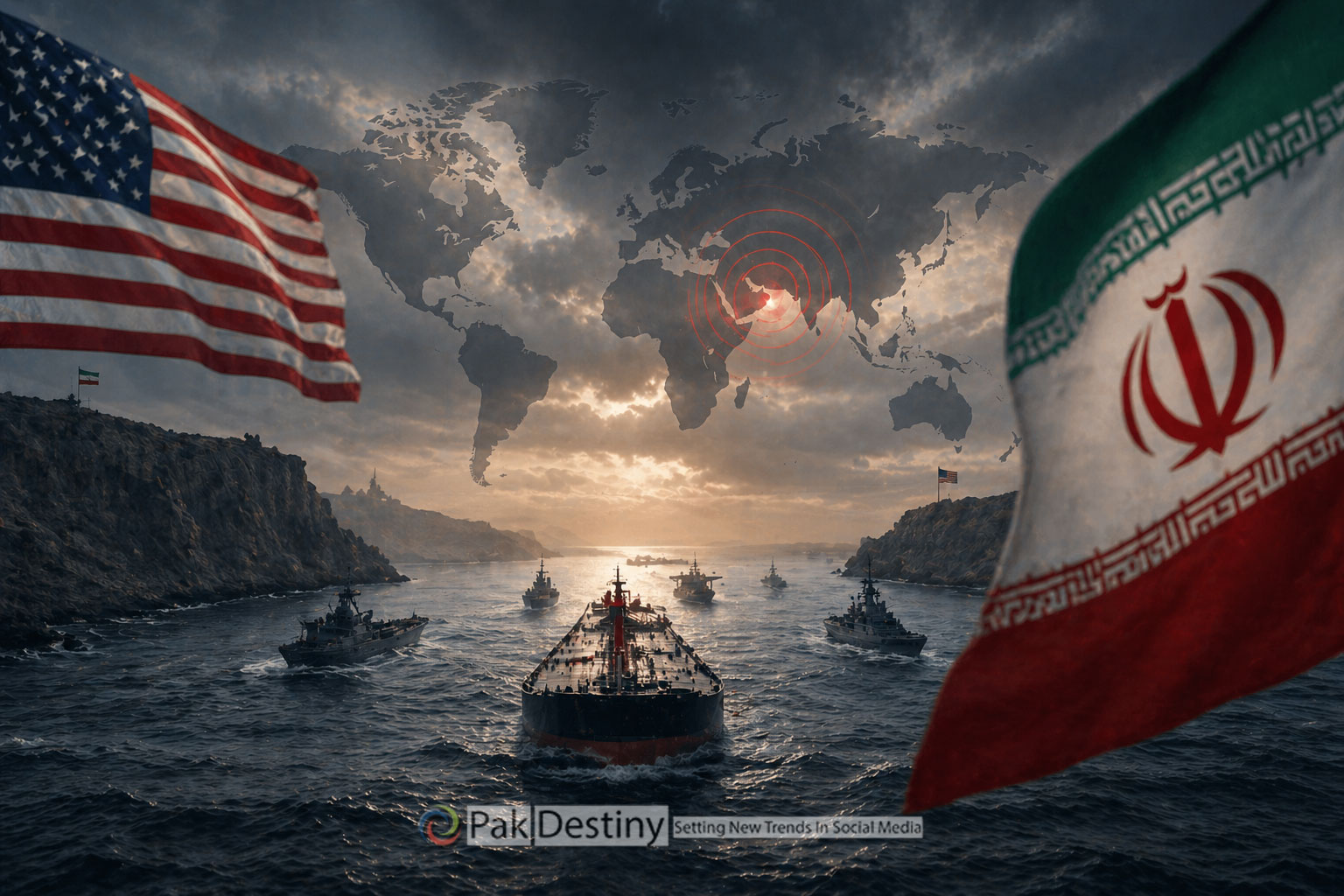
For years, states such as Saudi Arabia, United Arab Emirates, Qatar, Bahrain and Kuwait invested billions of dollars in American weapons systems and hosted US military bases under the assumption that Washington’s security umbrella would shield them from regional threats. However, Iranian missile and drone capabilities demonstrated that Gulf energy facilities, ports and cities remain vulnerable despite sophisticated Western defence systems. The strikes on strategic infrastructure over recent years deeply shook Gulf confidence in absolute American protection.
This reality is forcing Gulf Muslim countries to rethink their long-term security strategies. Increasingly, there is recognition that dependence solely on external powers is risky and unsustainable.
As a result, regional states are pursuing multiple parallel approaches to protect themselves.
First, Gulf countries are strengthening diplomacy and direct engagement with regional rivals instead of relying entirely on confrontation. The restoration of diplomatic ties between Saudi Arabia and Iran was a major turning point. Rather than allowing sectarian tensions and geopolitical rivalries to spiral into permanent conflict, both sides recognised that dialogue was necessary to avoid catastrophic regional war.
Maintaining communication channels during the current conflict reflects this pragmatic shift.
Second, Muslim states are diversifying strategic partnerships beyond Washington. Countries such as Turkiye, Pakistan and China are increasingly viewed as important diplomatic, economic and security partners. The Gulf states are also expanding relations with Asian powers because they understand that the global balance of power is changing and America’s dominance is no longer absolute.
Third, regional states are investing heavily in indigenous defence capabilities. Gulf governments have accelerated development of drone technology, missile defence systems, cyber warfare units and domestic military industries. The lesson from the Iran conflict is clear: states must possess the ability to deter threats independently rather than relying entirely on foreign militaries.
Fourth, economic diversification has become a central pillar of national security.
Through initiatives like Vision 2030, Gulf countries seek to reduce dependence on oil revenues and build resilient economies capable of withstanding geopolitical shocks. Strong economies provide strategic autonomy and reduce vulnerability to foreign pressure.
The war has also reinforced another harsh truth: the United States has only one unconditional security commitment in the Middle East — Israel. For many Arab and Muslim observers, American alliances elsewhere appear transactional and conditional. This perception is pushing regional countries to explore more independent and cooperative security frameworks.
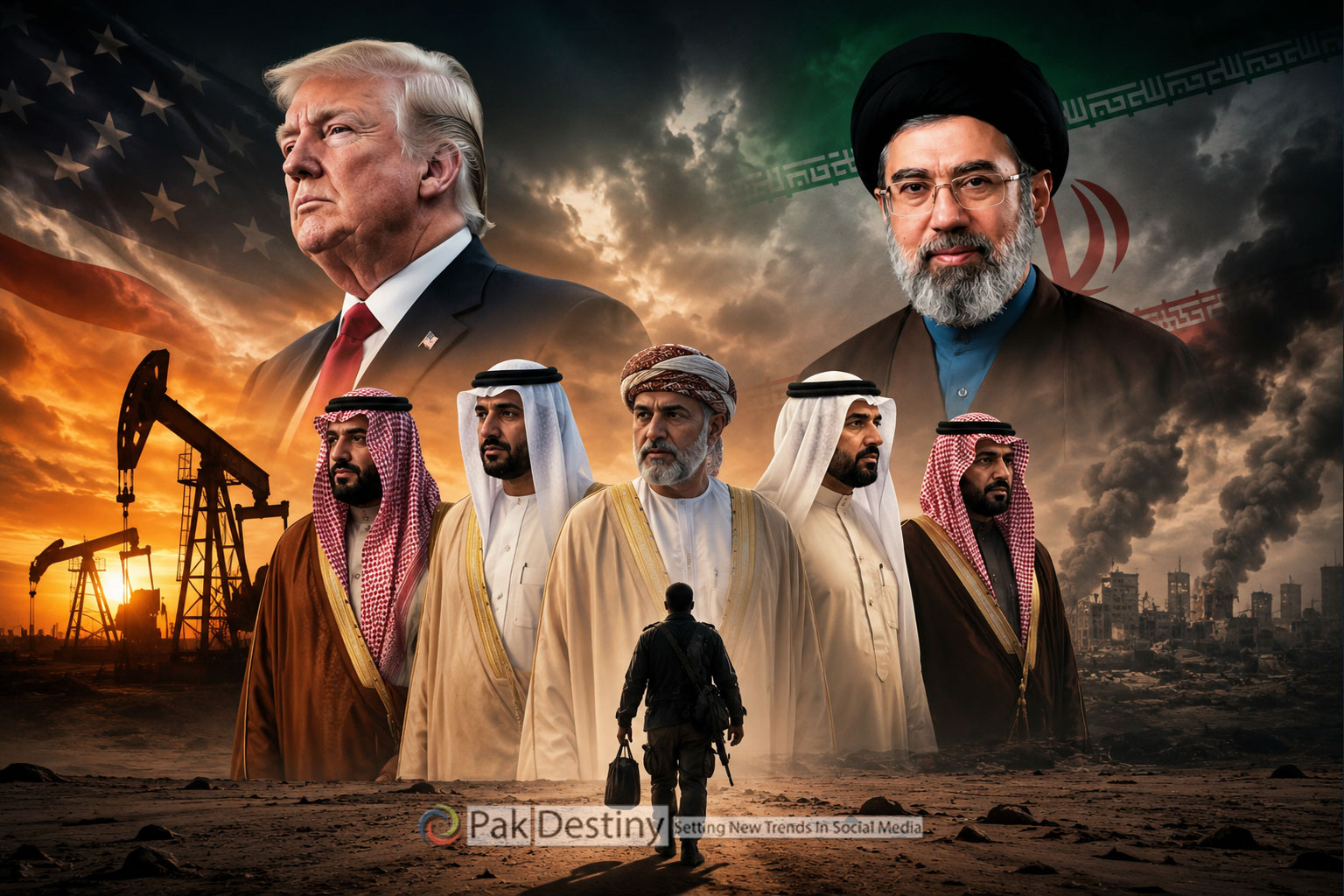
In this context, there is growing discussion about the emergence of a new regional order led by Muslim powers themselves.
Countries such as Iran, Saudi Arabia, Turkiye and Pakistan possess the demographic, military and economic weight to shape a regional security architecture based on mutual interests instead of foreign domination. Such a framework would require dialogue, conflict resolution mechanisms, intelligence cooperation and collective economic integration among Muslim states.
Pakistan, in particular, has attempted to play a balancing diplomatic role by encouraging negotiations between Washington and Tehran while maintaining ties with Gulf allies and Iran simultaneously.
This mediation effort reflects Islamabad’s broader interest in preventing another devastating regional war that could destabilise the wider Muslim world.
Ultimately, the conflict suggests that the era of unquestioned foreign military guardianship in the Middle East may be fading. Gulf Muslim countries increasingly understand that their survival and stability depend less on distant powers and more on regional cooperation, strategic self-reliance and political realism. The challenge ahead will be whether Muslim states can overcome internal rivalries and external pressures to construct a stable and independent regional order of their own.