By Irum Saleem
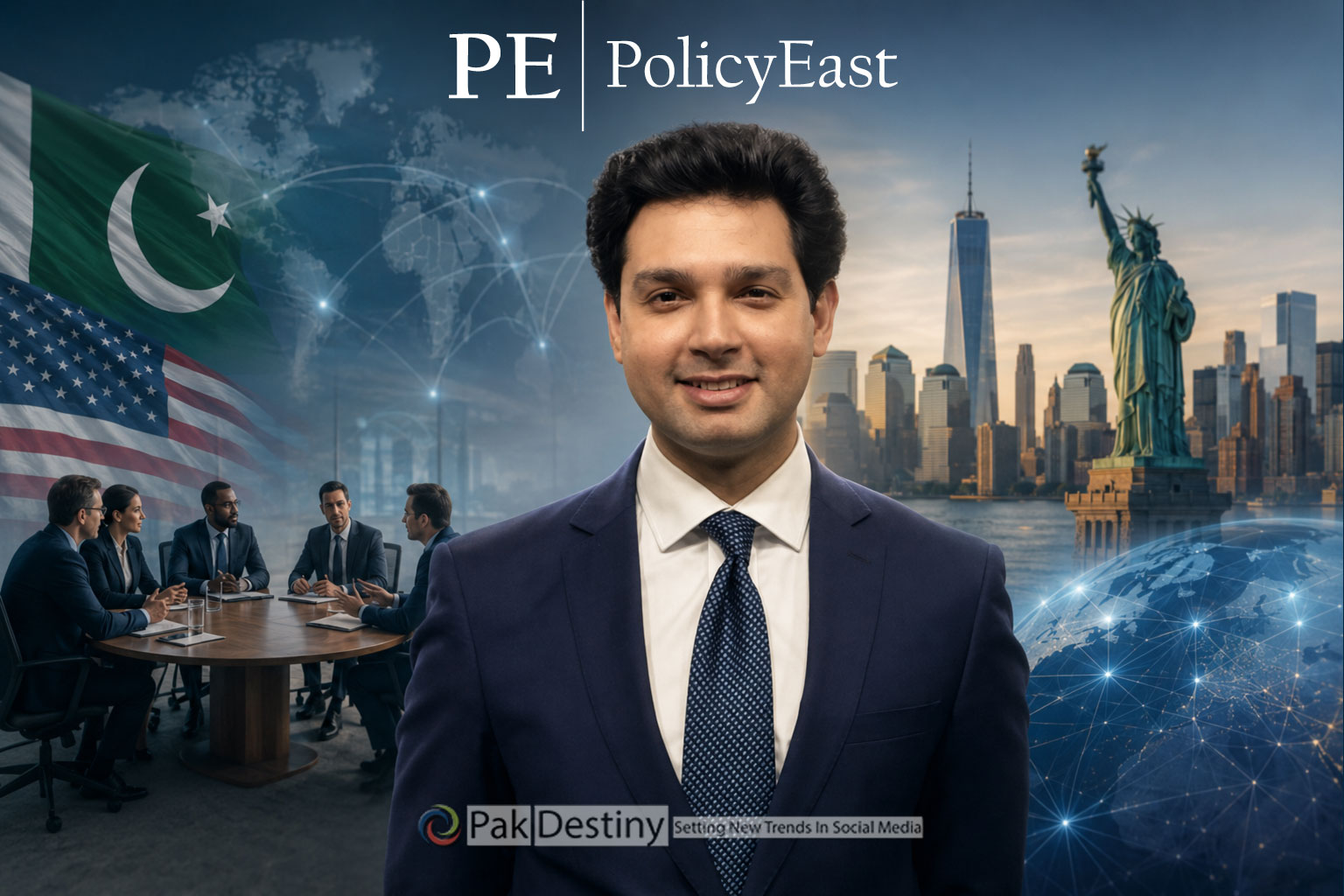
Senior Pakistan Tehreek-i-Insaf (PTI) leader and former federal minister Moonis Elahi has stressed the need for political reconciliation and democratic consensus in Pakistan, arguing that the country’s pressing economic and social challenges cannot be addressed through the exercise of power alone.
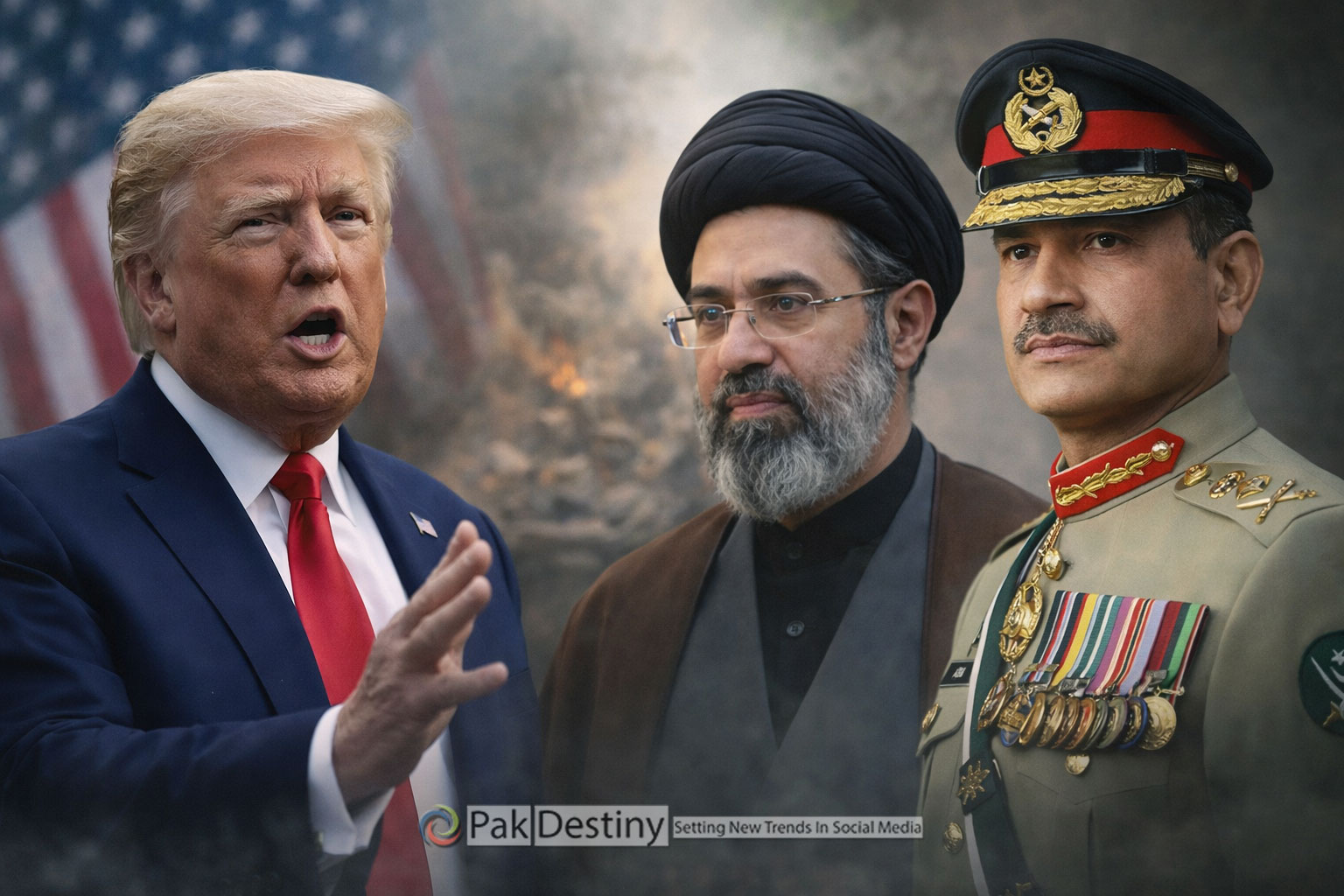
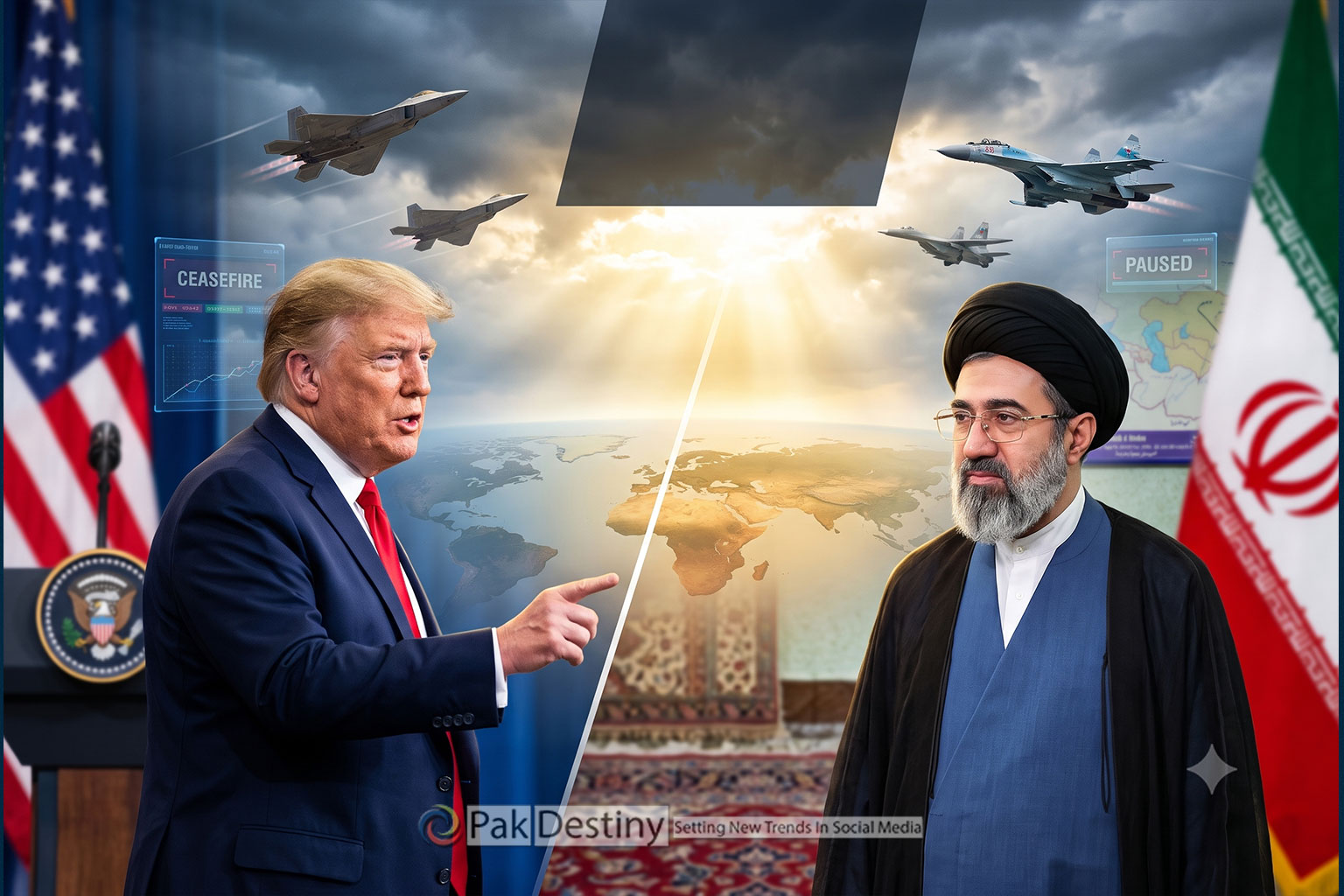
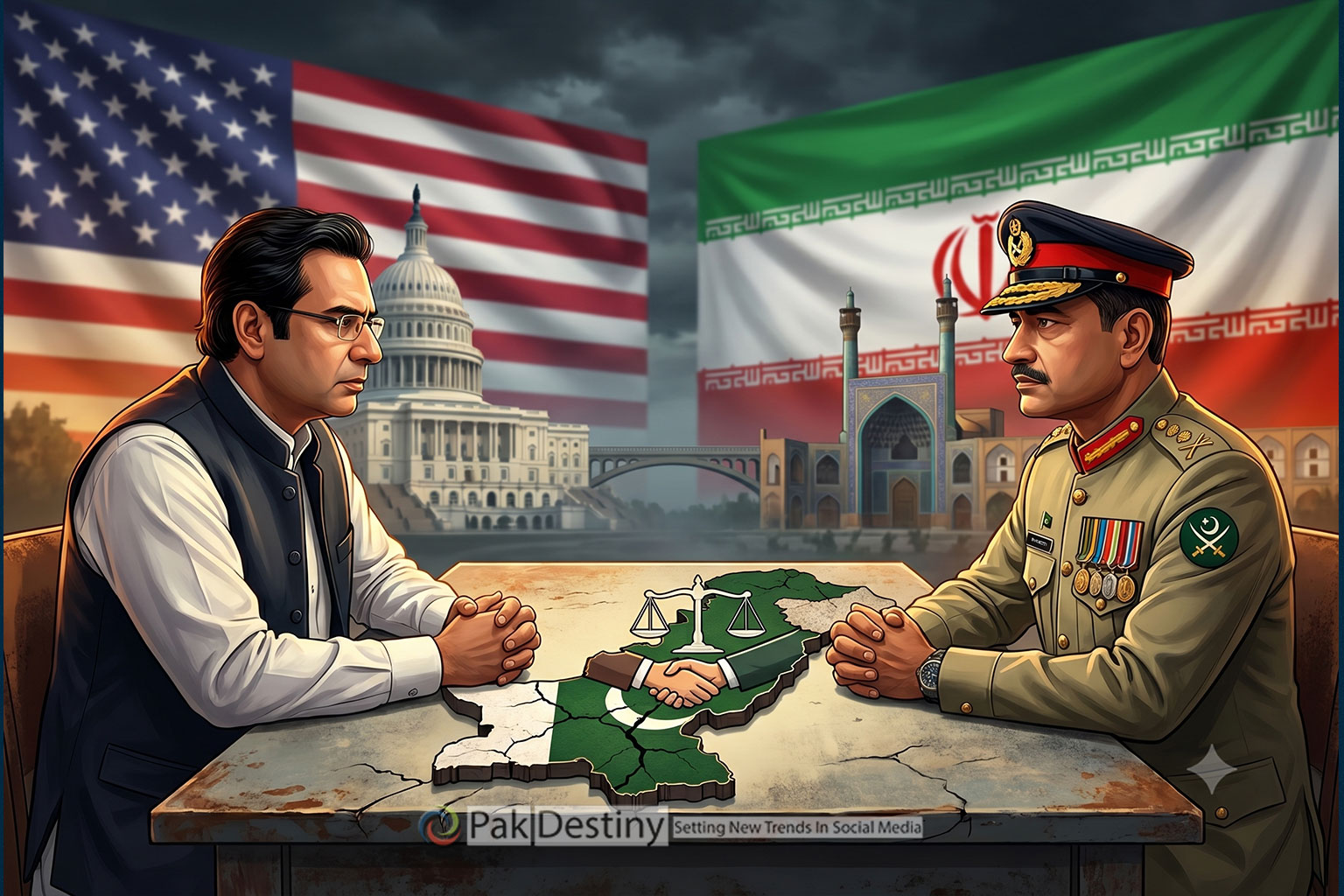
In a post on social media platform X, Mr Moonis Elahi remarked that while Pakistan had recently played a role in facilitating understanding between two countries — US and Iran — it now required internal reconciliation more than ever before.
پاکستان دو ممالک میں مصالحت کروا چکا ہے مگر خود اسے آج جتنی اندرونی مصالحت کی ضرورت ہے پہلے کبھی نہ تھی۔ غربت اور مہنگائی سے ستائے عوام کے حالات طاقت نہیں مفاہمت، مصالحت اور حقیقی جمہوریت سے ہی بدلیں گے۔
— Moonis Elahi (@MoonisElahi) June 18, 2026
“Pakistan has already helped reconcile two nations, but today it needs internal reconciliation more than ever before. The conditions of people suffering from poverty and inflation will not improve through power, but through understanding, reconciliation and genuine democracy,” Moonis wrote.
The statement comes at a time when the country’s political landscape remains deeply polarised, with tensions persisting between the government and opposition parties over electoral legitimacy, governance and constitutional matters.
Moonis Elahi’s remarks appear to reflect growing calls from various political quarters for a reduction in political confrontation and the creation of a broader national consensus to tackle economic and governance challenges. The former minister linked the country’s political instability with the hardships faced by ordinary citizens struggling under the burden of inflation, unemployment and declining purchasing power.
Political observers note that appeals for dialogue and reconciliation have gained traction in recent months as Pakistan seeks to consolidate economic stability following a prolonged period of financial uncertainty. While key economic indicators have shown signs of improvement, many households continue to face rising living costs and limited economic opportunities.
The PTI leader’s comments also underscore a recurring opposition narrative that sustainable solutions to Pakistan’s challenges require democratic inclusion and political accommodation rather than exclusionary politics. PTI leaders have repeatedly called for dialogue among political stakeholders, arguing that long-term stability cannot be achieved without public trust in democratic institutions and electoral processes.
The reference to Pakistan’s role in facilitating reconciliation between foreign states appeared to allude to Islamabad’s recent diplomatic engagement in regional affairs, a development that government officials have highlighted as evidence of the country’s growing diplomatic relevance.
However, Mr Elahi suggested that similar efforts should now be directed toward healing domestic political divisions.
Analysts say the call for reconciliation resonates with concerns expressed by business leaders, civil society groups and policy experts who have argued that persistent political uncertainty has complicated efforts to attract investment, implement reforms and address public grievances.
Pakistan’s political history has witnessed several attempts at national dialogue and political accommodation, though many have struggled to produce lasting consensus.
Whether recent calls for engagement from opposition figures translate into meaningful political negotiations remains uncertain.
For now, Mr Elahi’s message reflects a broader debate over the direction of Pakistani politics, with competing visions centred on political contestation on one hand and consensus-building on the other. As economic pressures continue to affect millions of citizens, the demand for political stability and democratic legitimacy is likely to remain a central theme in the national discourse.