By Irum Saleem
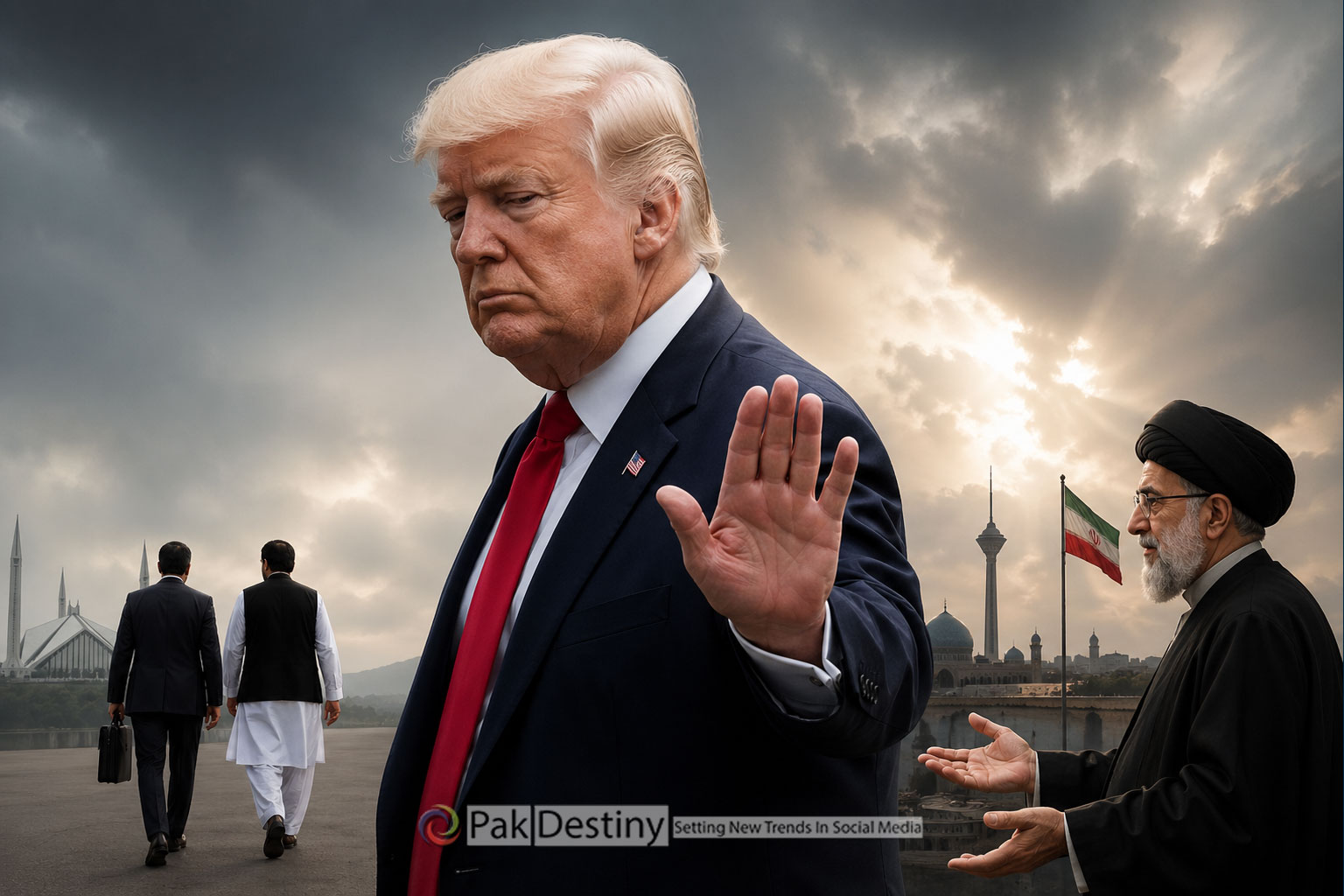
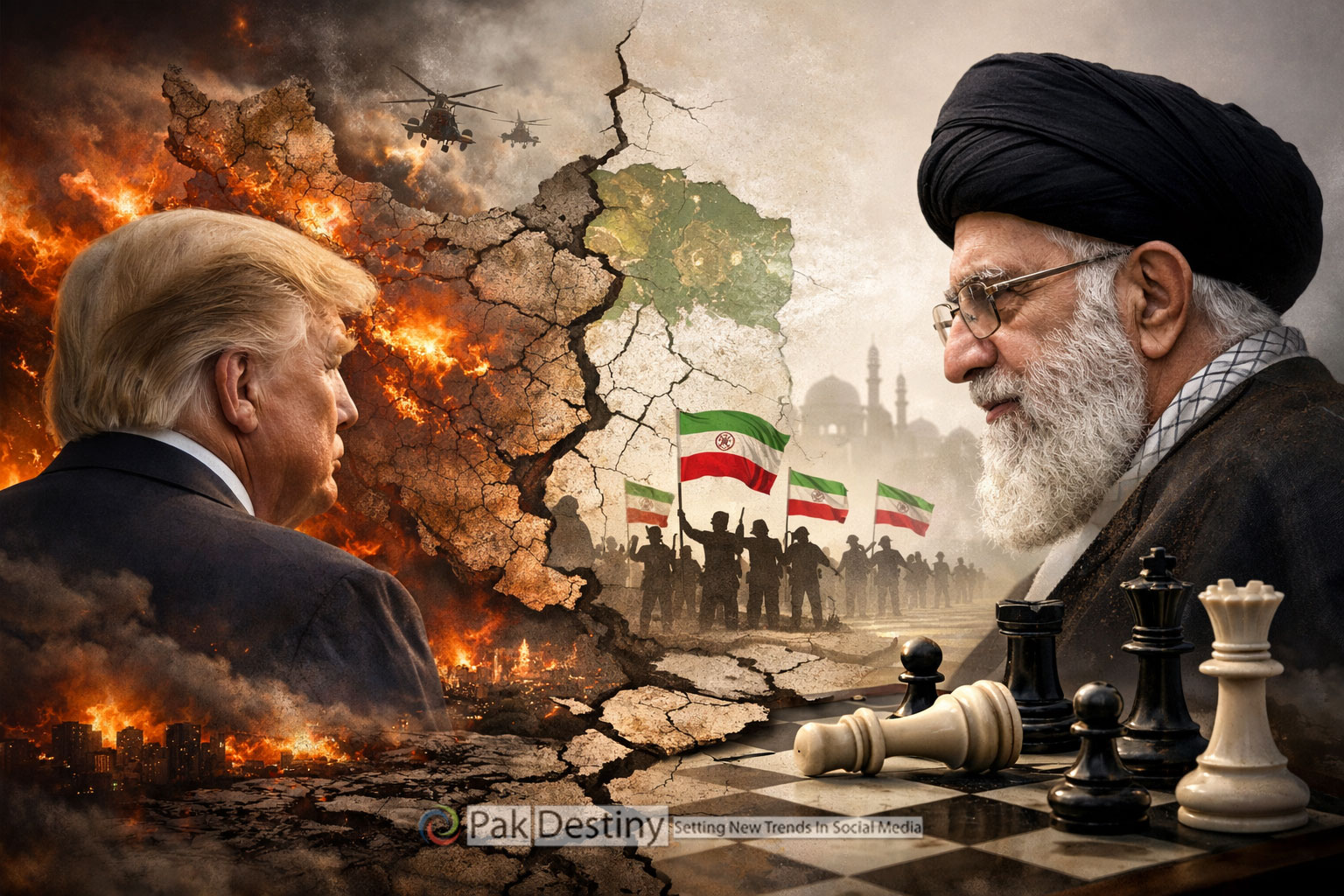
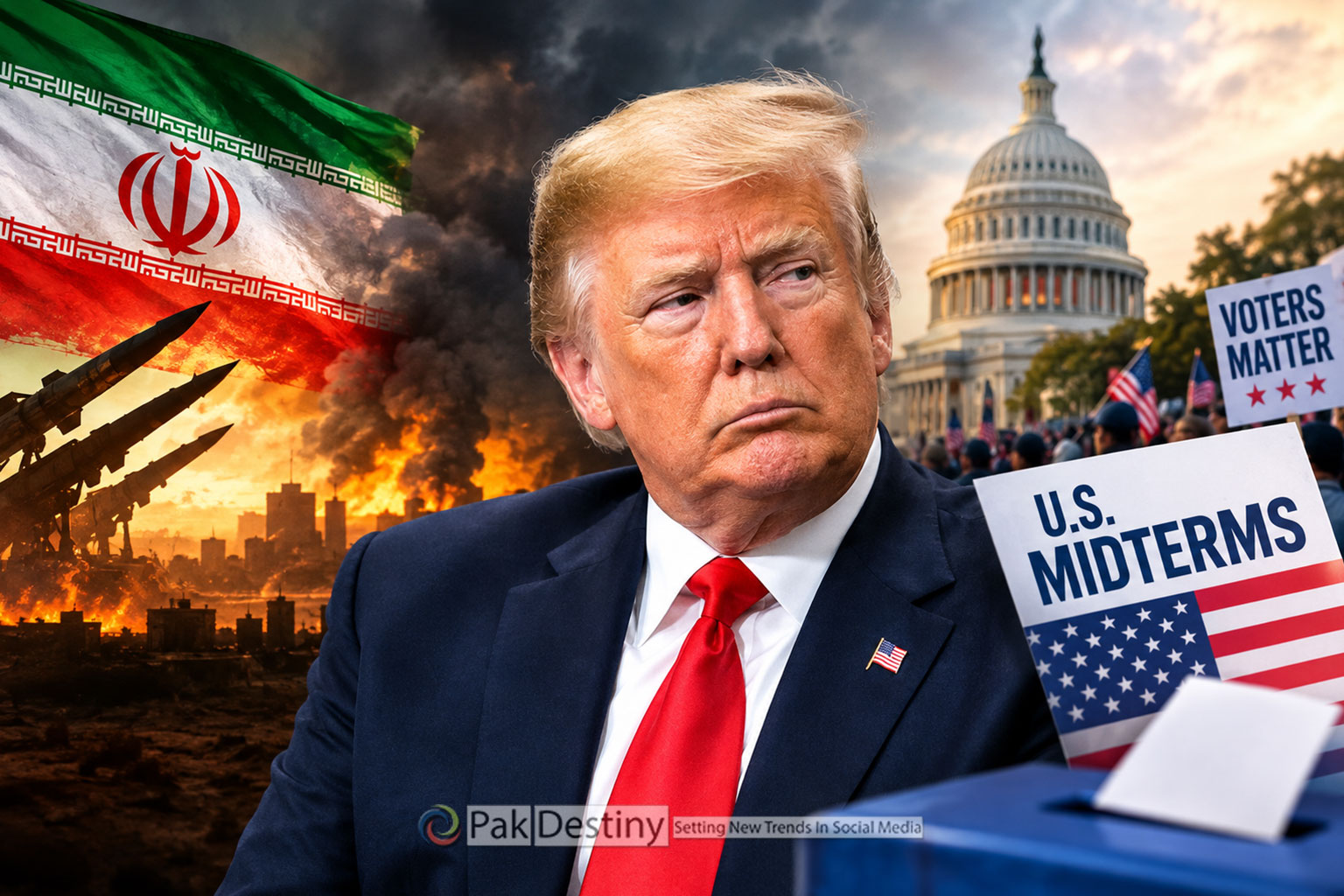
The war with Iran, once presented by President Donald Trump as a campaign of decisive military action, is increasingly becoming a domestic political problem as Americans head towards the November midterm elections.
More than six months into the conflict, the central question in Washington is no longer confined to whether the United States has weakened Iran. Increasingly, voters are asking what the war has achieved, how much it is costing and why they are paying more at the petrol pump.
That shift is reflected in the latest public opinion surveys.
A September Marquette Law School poll found that only 26 per cent of Americans approved of Mr Trump’s handling of the Iran war, while 73pc disapproved. Even more strikingly, only 13pc believed the United States had achieved its objectives, compared with 87pc who said it had not. And 79pc said the war had not been worth its cost.
The political danger for the White House is that the conflict is no longer an issue confined to foreign policy. It is increasingly intersecting with the economy — traditionally one of the most consequential issues for American voters.
From Tehran to the petrol pump
The war has disrupted energy supplies and pushed up fuel prices, making the conflict tangible for ordinary Americans.
The Marquette survey found that 80pc of Americans said gasoline prices had risen during the previous six months, a period covering the start of the Iran war. Only 5pc said prices had fallen. Trump’s approval rating for his handling of gasoline prices stood at just 20pc.
That matters because inflation and the cost of living remain the most important concerns for voters.
Mr Trump’s overall approval rating in the Marquette survey was 37pc, while 63pc disapproved of his performance. Approval of his handling of the economy was 28pc and of inflation and the cost of living just 19pc.
The war therefore risks creating a politically uncomfortable chain reaction: military escalation raises energy prices; higher energy prices aggravate household pressures; and economic frustration feeds into voters’ broader assessment of the administration.
A warning in the congressional ballot
The latest national polling also shows a sizeable Democratic advantage on the generic congressional ballot.
Marquette found that among likely voters, 54pc said they would vote for a Democratic congressional candidate compared with 41pc for a Republican. Among registered voters, the figures were 50pc and 42pc respectively.
A separate Reuters/Ipsos survey conducted in September found Democrats leading Republicans 44pc to 37pc on the generic congressional ballot. Trump’s approval rating was 35pc in that survey.
These figures do not establish that the Iran war alone is driving the congressional numbers. The economy, inflation, immigration, healthcare and other domestic issues remain important. But the conflict has added another difficult issue for Republicans to defend.
Republicans face a war dilemma
The political debate is also beginning to produce differences within the Republican camp.
Some Republican lawmakers have joined Democrats in seeking to restrict the administration’s authority to continue military operations against Iran. That exposes a tension within the party between those who support Trump’s hard-line approach and those concerned about an open-ended conflict, American casualties and its economic cost.
For Mr Trump, the timing is particularly sensitive. The midterms will determine the composition of Congress for the final two years of his presidency, making congressional control crucial for his legislative agenda.
The White House has continued to portray the military campaign as necessary to deal with Iran’s nuclear capabilities. Tehran, meanwhile, has rejected Washington’s claims and continued to resist US demands.
Mr Trump has recently said he hopes the war is nearing its end. But he has also suggested that the conflict could continue until after the November elections and that gasoline prices could fall once the fighting ends.
That creates an uncomfortable political equation: the longer the war continues, the longer Americans may feel its economic consequences; but an abrupt end without a clearly demonstrated outcome could also invite questions about what the military campaign accomplished.
The midterms become a referendum on more than Iran
The 2026 midterms are therefore shaping up around a broader assessment of the Trump presidency rather than Iran alone.
The president’s strongest ratings remain on immigration and border security, while his weakest ratings are concentrated around the economy, inflation, gasoline prices and the Iran war.
For Democrats, the conflict offers an opportunity to connect foreign-policy decisions with the cost-of-living concerns dominating voters’ daily lives.
For Republicans, the challenge is to persuade voters that the military campaign has produced benefits that justify its human and financial costs — while containing the economic fallout.
The election will not be decided by one issue or one poll. But the Iran war has acquired a significance that Washington can no longer treat as merely a foreign-policy matter.
For Trump, the battlefield is in the Middle East — but the political consequences are increasingly being felt at home.
.