— Says entire family, PTI’s top leadership and elected leadership of a province are facing imprisonment
By Zulqernain
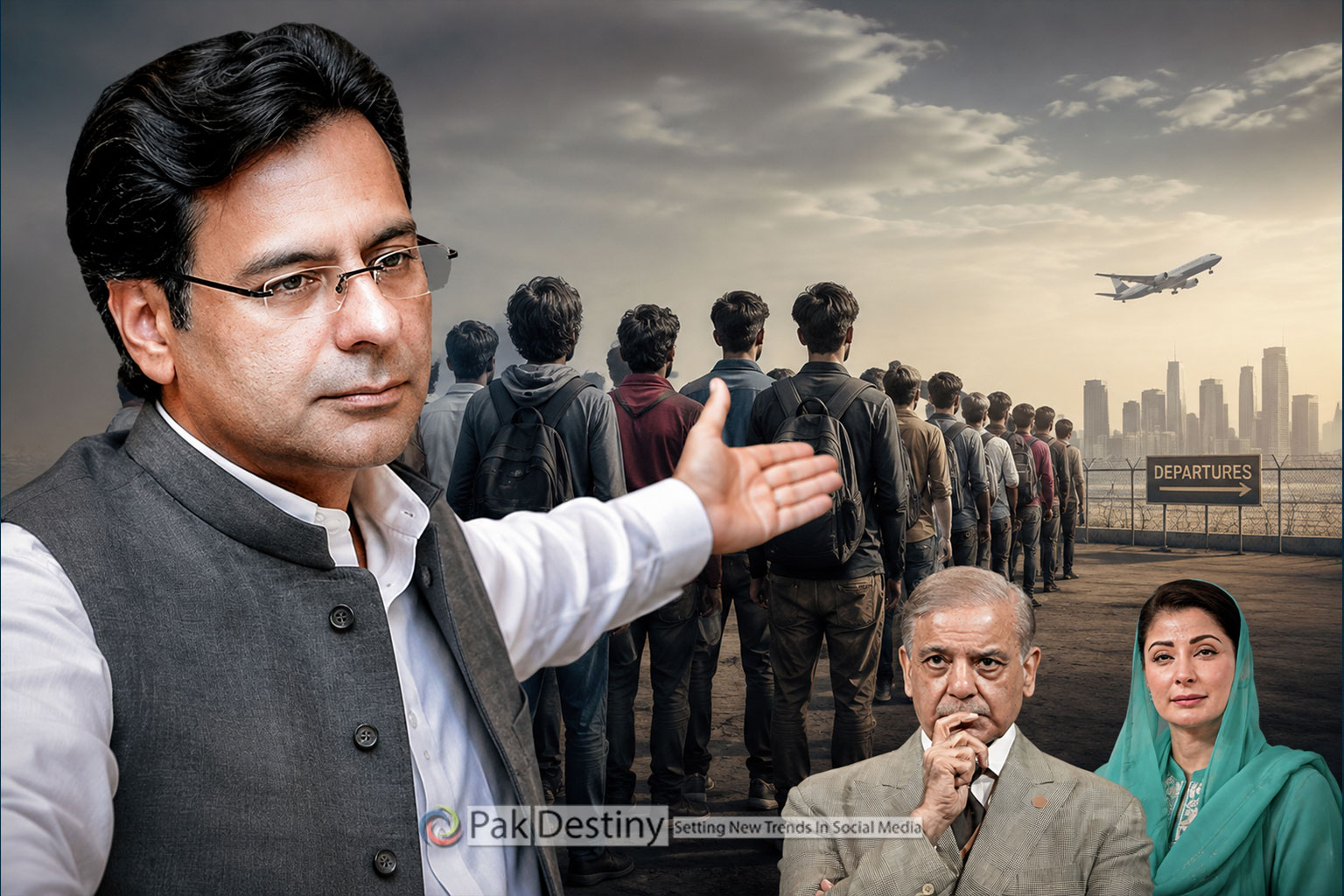
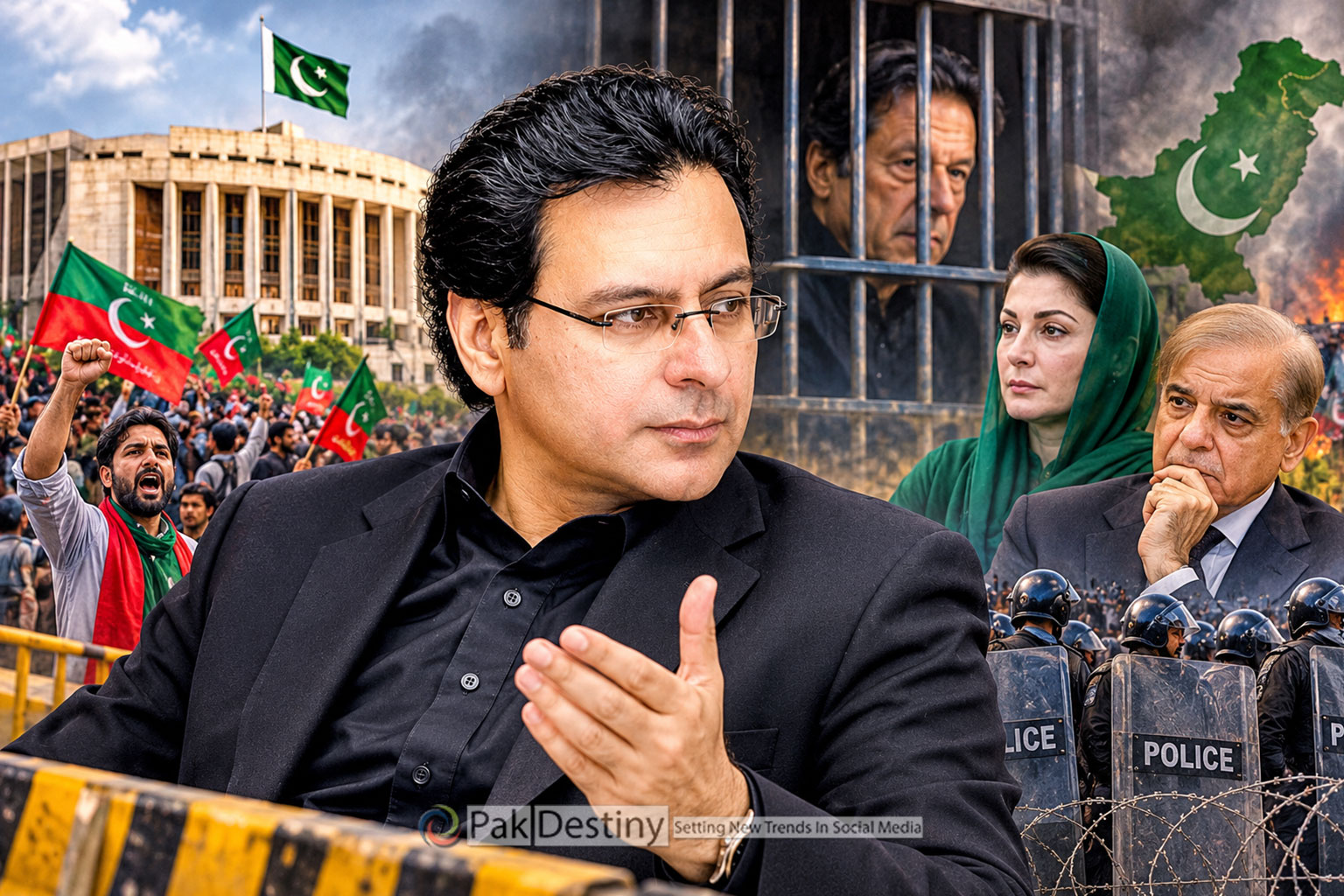
Former federal minister and senior Pakistan Tehreek-i-Insaf (PTI) leader Moonis Elahi has described the current political situation in Pakistan as the “darkest era of political vengeance” in the country’s 79-year history, alleging that an entire family, the party’s top leadership and the elected leadership of a province have been subjected to imprisonment.
In a strongly worded post on X, Moonis Elahi criticised what he termed an unprecedented campaign of political victimisation, saying democracy, the Constitution and the rule of law had been undermined.
“Pakistan is witnessing the darkest era of political vengeance in its 79-year history. Every member of one family, the entire top leadership of a political party, and all elected leaders of one province are behind bars on what amounts to forced imprisonment,” Mr Elahi wrote.
Concluding his post with the Islamic expression “Inna lillahi wa inna ilayhi raji’un” (Indeed, we belong to Allah and to Him we shall return), the PTI leader lamented what he described as the collapse of democratic and constitutional principles.
Moonis’ remarks come amid escalating political tensions between the federal government and the PTI, particularly following the detention of several party leaders and members of the family of PTI founder Imran Khan.
Mr Khan’s sisters — Aleema Khan, Dr Uzma Khan and Noreen Niazi — have been in detention since September under the Punjab Maintenance of Public Order Ordinance, 1960. Their detention and subsequent complaints about access to family members and medical facilities have become a major point of confrontation between the opposition and the government.
Noreen Niazi was recently shifted from Kot Lakhpat Jail to the Punjab Institute of Cardiology in Lahore after reportedly experiencing high blood pressure.
Her lawyer had complained that the family was not informed about her deteriorating condition. Adviser to the Prime Minister on Political Affairs Rana Sanaullah, however, told the Senate on Oct 29 that she was doing well after receiving medical treatment.
The detention of the three women has also drawn attention in parliament. During a Senate session on Friday, opposition lawmakers raised concerns about the treatment of detained PTI women leaders and activists and called for their release.
The political crisis has further intensified following the imposition of emergency and governor’s rule in Khyber Pakhtunkhwa on Oct 11, which effectively suspended the PTI-led provincial administration and transferred executive authority to Governor Faisal Karim Kundi.
The federal government defended the decision, citing a deteriorating security situation and an alleged failure of the provincial administration to cooperate in counterterrorism efforts. It also accused the PTI provincial government of failing to effectively tackle militancy, allegations rejected by the party.
The PTI, meanwhile, termed the move an attack on the public mandate, provincial autonomy and constitutional governance. The party announced that it would challenge the measures through legal, parliamentary and political forums.
The situation in the province has also raised questions about the detention of its elected representatives and senior party leaders.
The PTI has alleged that several provincial leaders and lawmakers were taken into custody amid the political confrontation.
On Friday, the PTI’s Khyber Pakhtunkhwa parliamentary party reaffirmed its support for party chairman Barrister Gohar Ali Khan and rejected reports of internal divisions. It also opposed emergency and governor’s rule, demanding the restoration of the elected political system and access to Mr Khan and his family.
The controversy over the political situation has also reached the Senate, where opposition lawmakers have questioned the government’s handling of political detentions, alleged human rights violations and the constitutional implications of the measures taken in Khyber Pakhtunkhwa.
PTI President and former Punjab chief minister Chaudhry Parvez Elahi also faced multiple legal cases and periods of detention.
Moonis latest remarks reflect the opposition’s broader argument that the use of preventive detention, arrests and extraordinary constitutional measures has further narrowed the space for political activity and dialogue.
The government, however, maintains that its actions are based on legal and security considerations rather than political vendetta.
The growing confrontation has left the country facing renewed questions about political reconciliation, the independence of institutions, provincial autonomy and the protection of constitutional rights.