— Both PMLN and PPP appear increasingly detached from the democratic principles they once championed
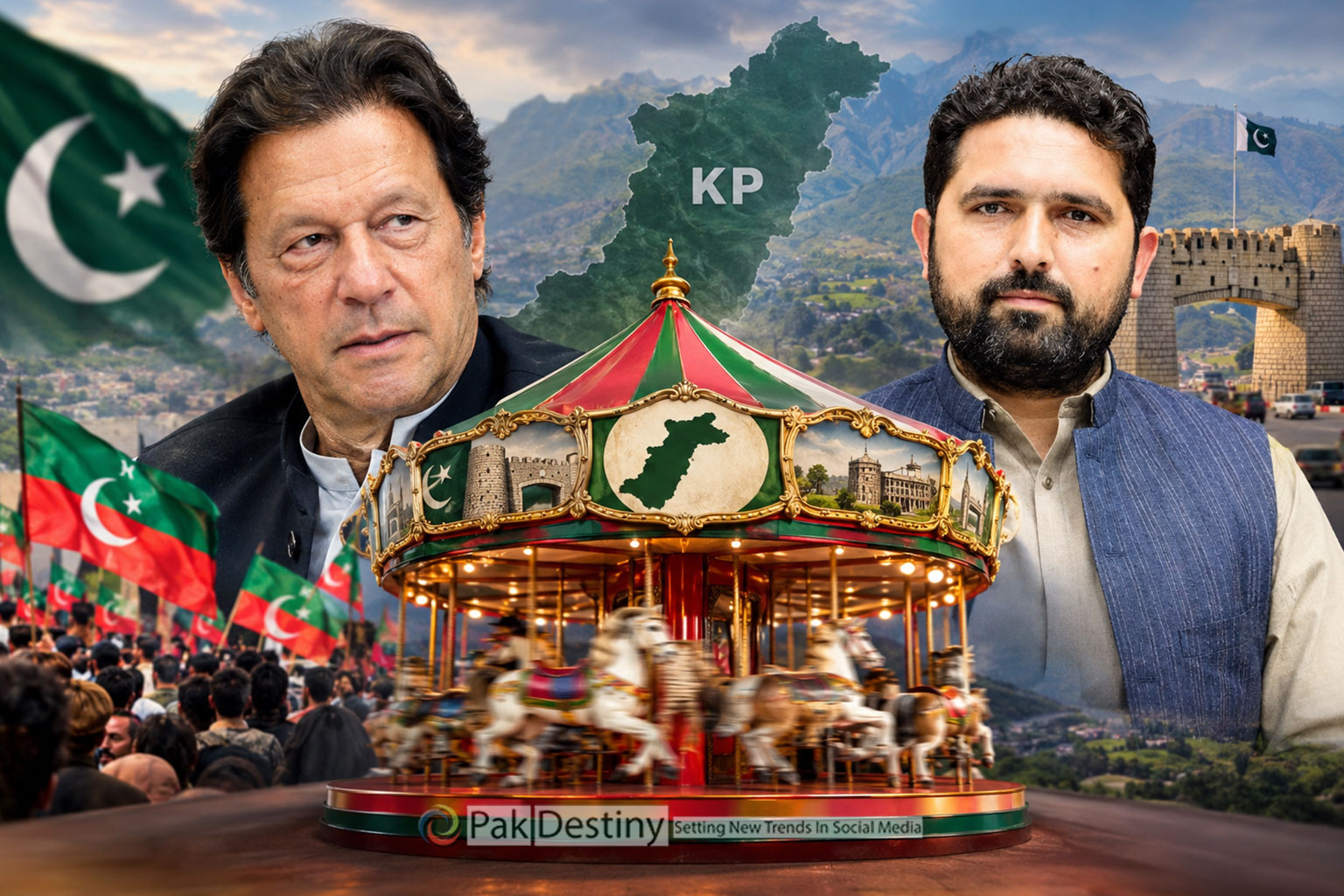
— The imposition of governor’s rule and an emergency has deepened KP’s political crisis, exposing contradictions in the federal government’s counterterrorism argument and risking a fresh boost to the PTI’s popularity
By Raza Ruman
SUNDAY brought the outcome that had been whispered about in Islamabad for days: the dismissal of the PTI government in Khyber Pakhtunkhwa. By Saturday, speculation had turned into an almost certain outcome, despite frantic last-minute efforts to avert what some politicians called a “painful decision”.
“The possibility of an emergency dominated television coverage, with reports suggesting the prime minister would take a final decision at a cabinet meeting on Sunday. Meanwhile, government and opposition leaders held a series of meetings and consultations, while JUI-F chief Maulana Fazlur Rahman offered to mediate,” says Dawn columnist Arifa Noor.
On Sunday morning, reports that the prime minister had contacted the maulana fuelled speculation that a deal might still be possible. Instead, the federal government announced both an emergency and governor’s rule. It later emerged that the call had merely been to inform the JUI-F chief of the decision.
The subsequent press conference by federal ministers sought to justify the move. Yet the government’s explanations did little to dispel questions about its political and constitutional implications.
The PTI’s response appeared largely confined to social media. Reports circulated that Chief Minister Sohail Afridi and other provincial officials, including the assembly speaker, had been detained or picked up.
“The precise number of those taken into custody remained unclear, while the authorities offered little information. The limited coverage of developments on mainstream television also raised questions about the space available for the PTI’s response.
By evening, an advisory council had been formed and portfolios assigned to its members,” she says.
The speed with which the new arrangement took shape suggested that planning had begun well before the final 24 hours. Maulana Fazlur Rahman subsequently alleged that the government had backed out of negotiations.
The central question is what the federal government hopes to achieve beyond removing an elected administration.
The simultaneous imposition of an emergency and governor’s rule has also raised questions about the government’s strategy. One possible explanation is that it wants to avoid the time constraints associated with governor’s rule alone. Whatever the legal reasoning, the new administrative arrangement does not look like a short-term intervention.
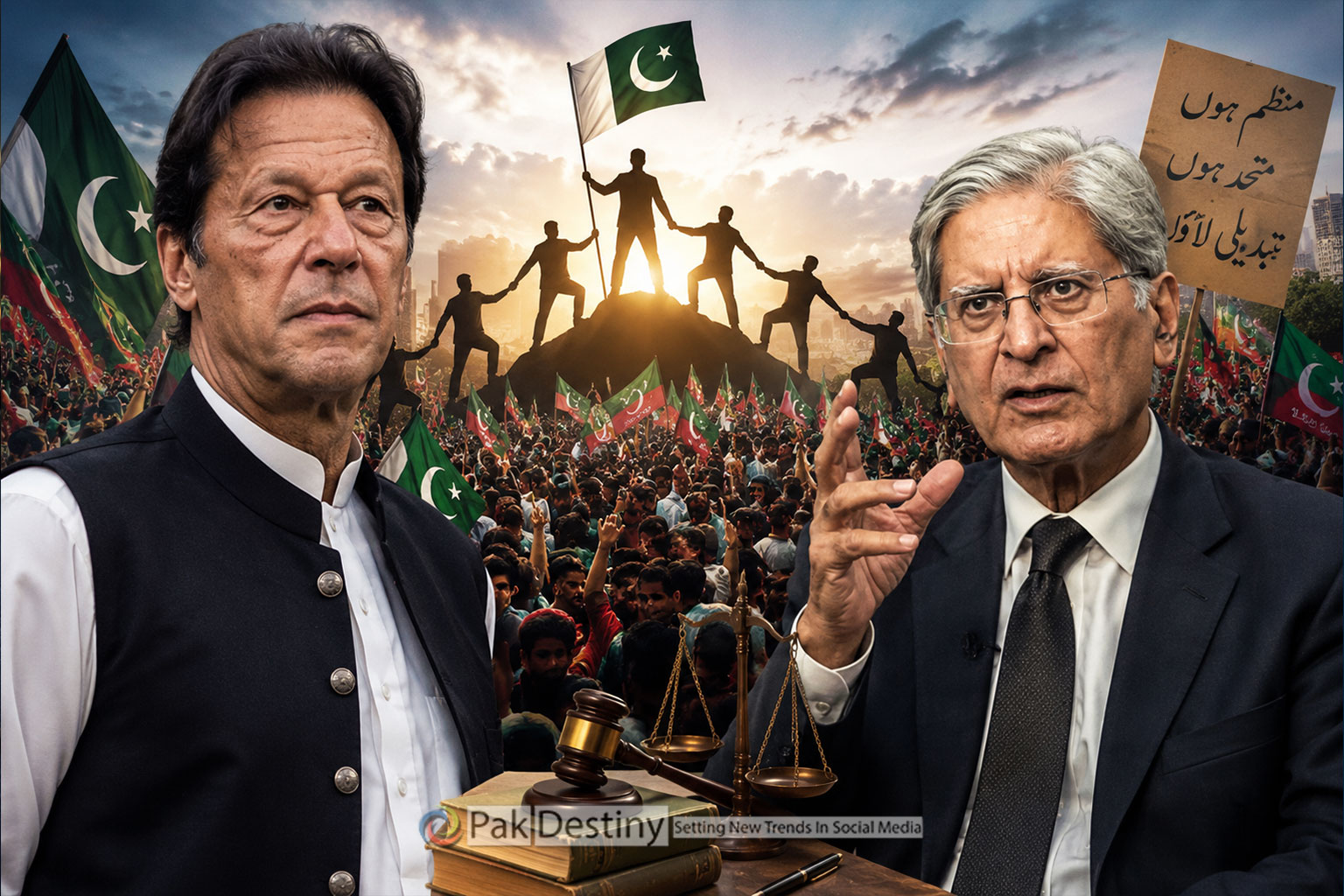
“The political cost, meanwhile, will extend beyond KP. The PPP and PML-N will face questions about their role in removing a democratically elected provincial government while continuing to exercise power at the centre. Both parties appear increasingly detached from the democratic principles they once championed,” Noor said.
The JUI-F’s unequivocal opposition to the decision is particularly striking given its past association with political arrangements established under military rule. Pakistan’s political history is full of such reversals: parties rediscover democracy when they find themselves outside power and abandon its principles when circumstances favour them.
But the implications of the latest intervention go beyond party politics. It reinforces the perception that political forces based in Punjab and Sindh are contributing to instability in the country’s other two conflict-hit provinces, KP and Balochistan.
The government’s counterterrorism argument is even harder to reconcile with its political decision.
Terrorism in KP is a complex problem that cannot be resolved by changing the province’s administrative leadership. The federal government has blamed the PTI for failing to provide political ownership to the state’s campaign against militancy. Yet it has removed the elected government and replaced it with a technocratic arrangement.
How, then, will the new administration secure the political ownership that Islamabad says is missing?
The contradiction is fundamental. If the absence of political consensus is undermining the fight against terrorism, sidelining an elected government is unlikely to bridge the divide. Instead, it risks deepening political alienation in a province already bearing the brunt of militant violence.
More importantly, the federal government and the establishment have now assumed direct responsibility for the province’s affairs. If terrorism persists in the coming weeks and months, the PTI will no longer be in office to shoulder the blame. The responsibility will rest squarely with Islamabad and the establishment.
That responsibility will extend beyond security to governance, public services and the economic hardship facing ordinary people.
The experiment is not without precedent. KP endured an extended caretaker administration before the 2024 elections, yet the electorate returned the PTI with a two-thirds majority in the provincial assembly. The vote demonstrated that public dissatisfaction with the party’s governance had not translated into a lasting rejection of it.
The PTI subsequently faced renewed disenchantment over the conduct of its provincial leadership, first under Ali Amin Gandapur and then Sohail Afridi. But removing the party from power may offer it an opportunity to rebuild its political standing.
A technocratic administration will have no electoral mandate of its own. If it fails to improve security, governance and living conditions, the PTI could once again benefit from public resentment. Arrests and pressure on its second-tier leadership may weaken its organisational capacity temporarily, but they are unlikely, by themselves, to erase its political support.
The federal government has therefore taken a considerable gamble. It has displaced an elected administration in the name of restoring order, but the success of the intervention will be judged by whether it can deliver what its predecessor allegedly could not.
The political crisis in KP has not been resolved; it has merely entered another round.