— Fragile US-Iran ceasefire has all but collapsed as renewed American strikes
— Iranian retaliation and a dangerous confrontation over the Strait of Hormuz push the two longtime adversaries back towards conflict, dimming hopes for diplomacy
By Zulqernain
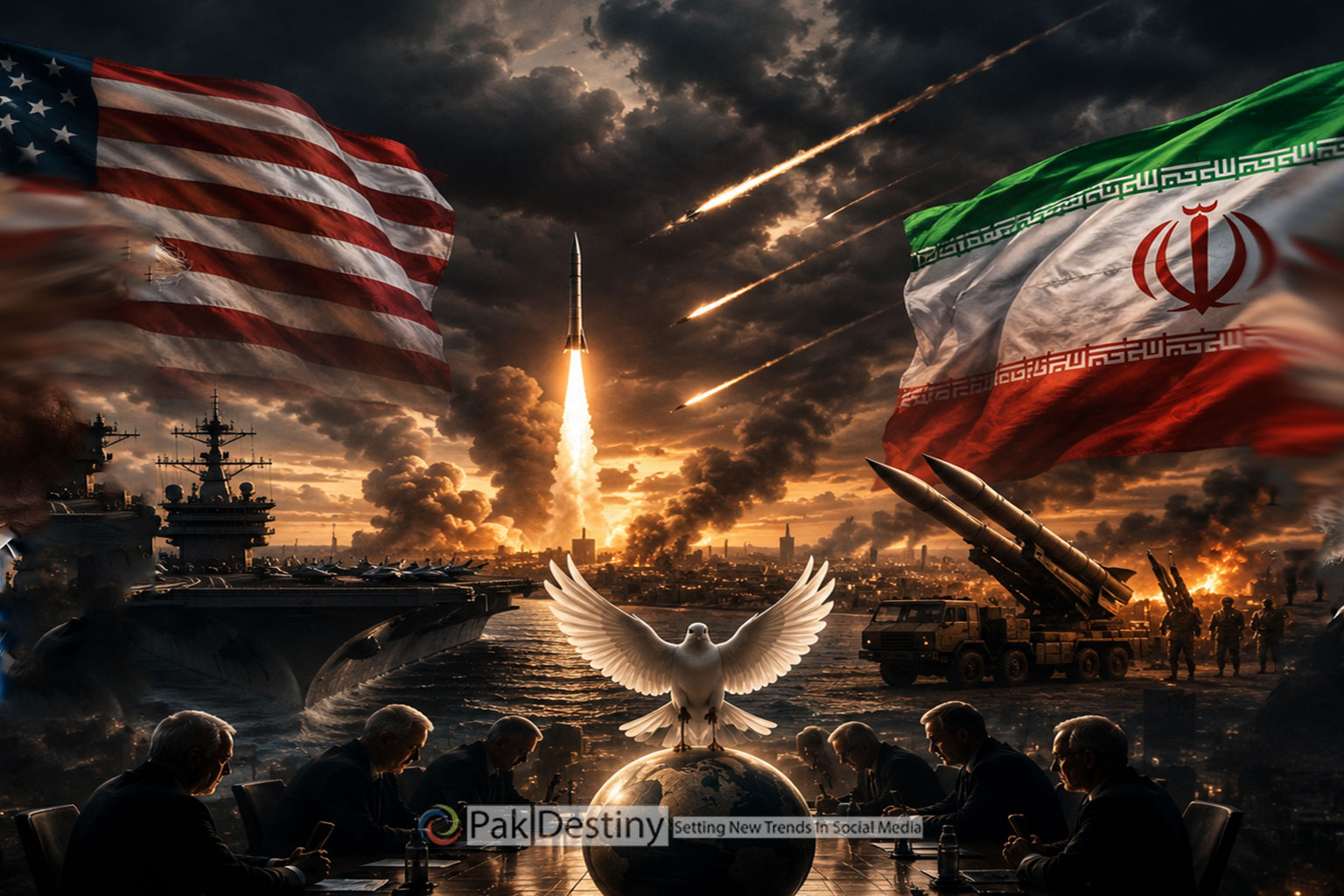
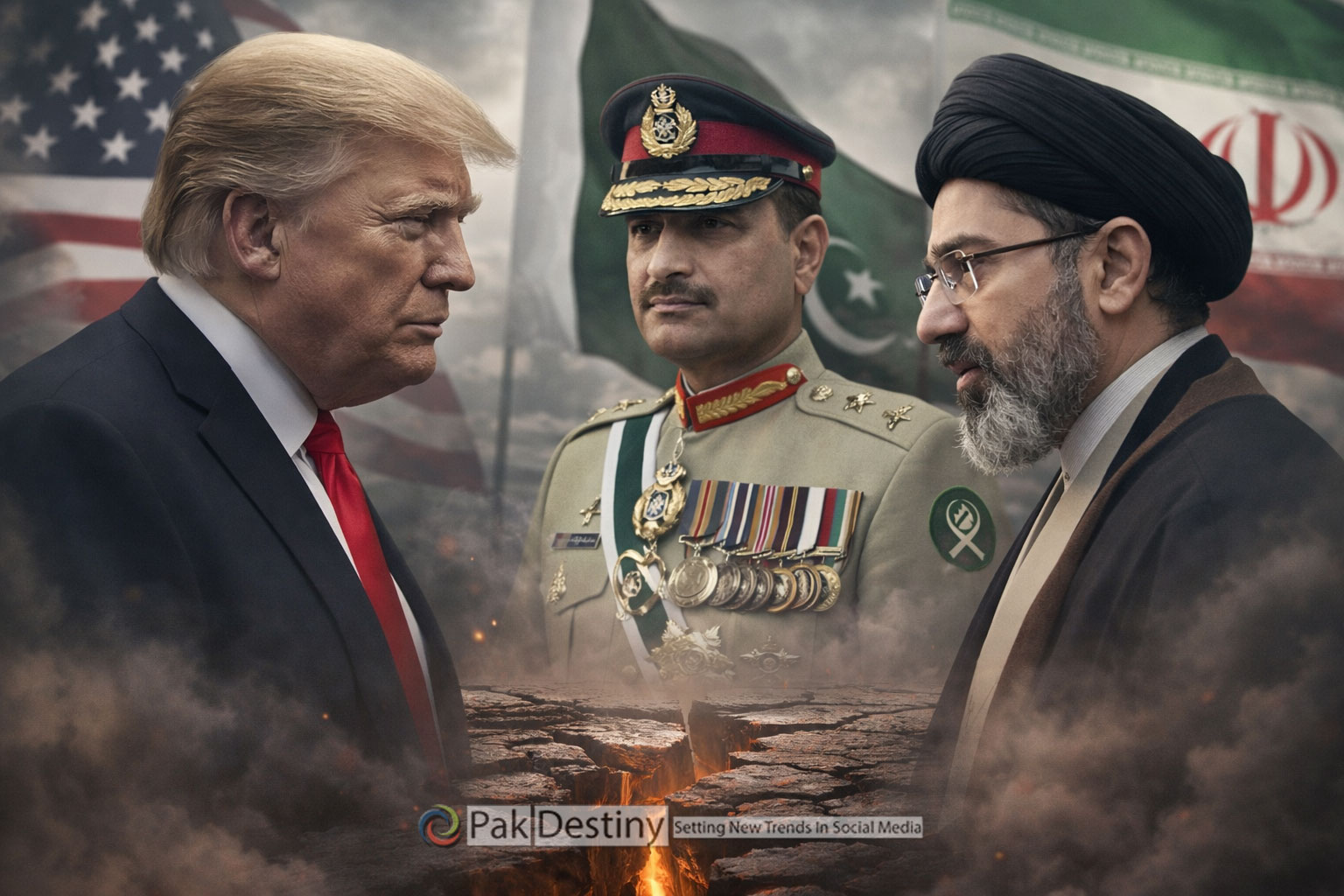
Barely a month after Washington and Tehran agreed to a tentative ceasefire, the two adversaries appear to be sliding back towards open conflict.
The interim truce has effectively collapsed before technical-level negotiations could even begin, as fresh military strikes, retaliatory attacks and a renewed confrontation over the Strait of Hormuz have reignited one of the world’s most dangerous flashpoints.
The latest escalation was set in motion after the United States resumed military strikes against Iranian targets and reimposed a naval blockade on Iran, with President Donald Trump formally informing Congress that hostilities with Iran had resumed.
Washington says the renewed military campaign is aimed at protecting freedom of navigation and preventing Iran from threatening international shipping through the Strait of Hormuz, a waterway that carries nearly a fifth of the world’s seaborne oil trade.
Iran responded by tightening its control over the Strait of Hormuz and closing the strategic passage to what it describes as hostile forces.
Tehran maintains that commercial vessels should transit through routes under Iranian supervision and has accused the United States of violating the ceasefire by attempting to redirect shipping through alternative Omani waters. Iranian officials argue that control of Hormuz has become one of the country’s most powerful strategic assets, giving it significant leverage in any future negotiations.
The renewed confrontation comes at a particularly sensitive moment for Iran. Public anger has intensified following the funeral ceremonies for former Supreme Leader Ayatollah Ali Khamenei, whose assassination during the opening phase of the conflict remains a defining moment in the crisis.
The latest American military action has fuelled nationalist sentiment inside Iran, with calls for retaliation growing louder across the country.
Recent fighting around the Strait of Hormuz has further reduced the already slim prospects for diplomacy. Reports indicate that Iranian Revolutionary Guard forces targeted commercial tankers after accusing them of ignoring Iranian navigation instructions, while Washington says such attacks threaten global energy security and justify military action.
The competing narratives illustrate how rapidly the fragile ceasefire has unravelled.
Although neither Washington nor Tehran appears eager for a prolonged conventional war, both sides have significantly hardened their positions.
The current situation represents neither peace nor full-scale war but an unstable middle ground where limited military exchanges, economic pressure and diplomatic deadlock continue simultaneously. Such a volatile environment increases the risk that even a minor incident could trigger a much broader regional conflict.
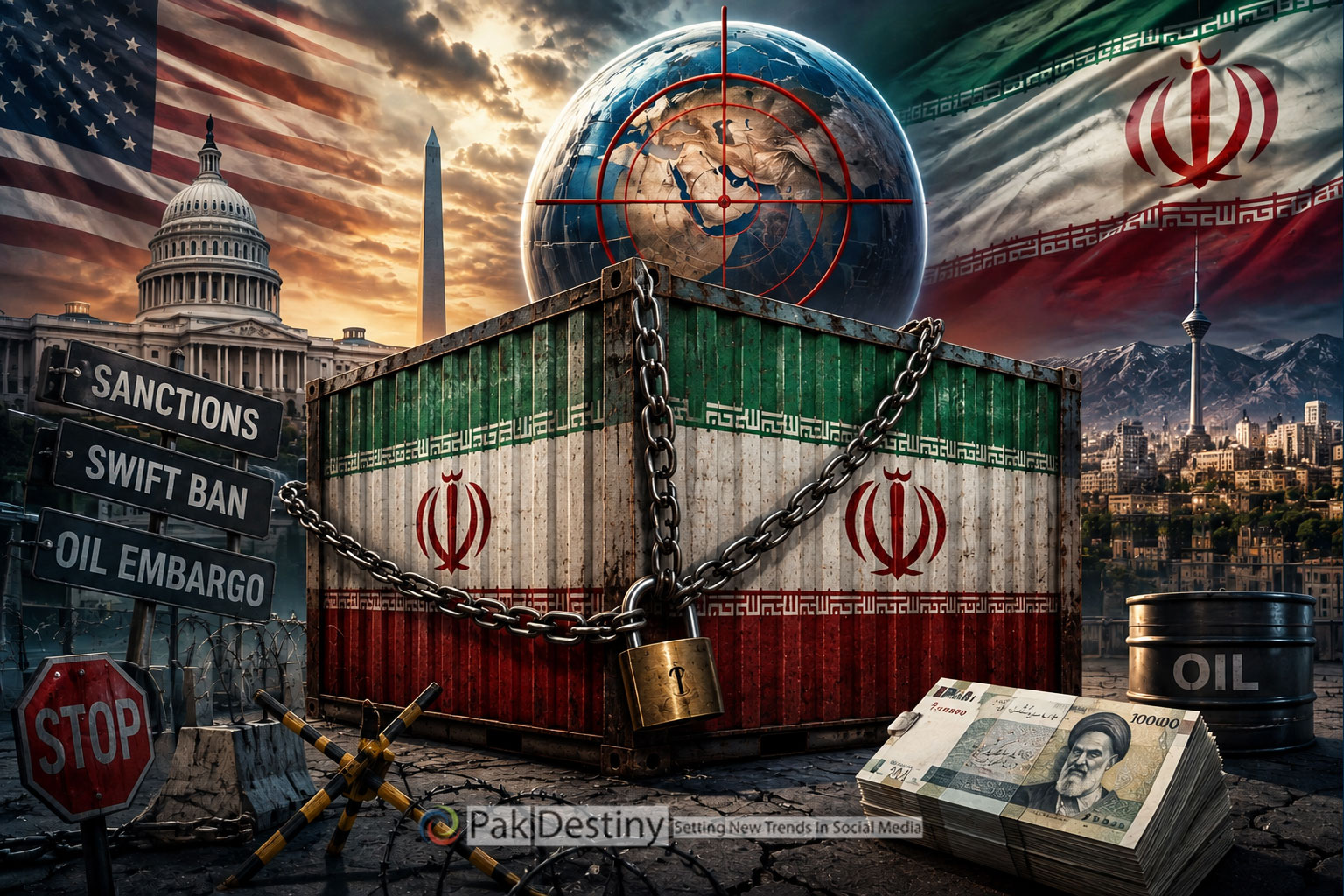
The implications extend well beyond the Gulf. Any prolonged disruption in the Strait of Hormuz threatens global energy supplies, increases pressure on oil markets and raises shipping costs worldwide.
Regional economies dependent on uninterrupted maritime trade, including those in the Gulf and South Asia, could face severe economic consequences if the confrontation escalates further.
Diplomatic efforts remain alive but increasingly fragile. Unless both sides exercise restraint and return to meaningful negotiations, the collapse of the tentative ceasefire may prove to have been only a brief pause in a conflict that continues to reshape the strategic landscape of the Middle East.