By Irum Saleem
As fragile diplomacy unfolds between Iran and the United States, a difficult and emotional issue has come to the surface—war reparations.
In its reported 10-point proposal for a ceasefire, Tehran has demanded compensation for the destruction caused during the February 28 attacks, allegedly carried out by the US and Israel.
This demand was not just symbolic—it was also raised during the latest round of negotiations held in Islamabad, showing how central the issue is for Iran.
The scale of damage, according to multiple reports, is significant. Even sections of the American media have acknowledged that civilian infrastructure was hit. For instance, The New York Times reported verified damage to nearly 40 schools and healthcare facilities.
However, it also noted that this number might represent only a small portion of the overall destruction.
Iranian sources paint an even more alarming picture. The Iranian Red Crescent claims that at least 763 schools and 316 health centres were struck during the attacks.
Among the most tragic incidents was a strike on a school in the city of Minab, where around 175 people—mostly schoolgirls—lost their lives.
According to preliminary findings by the US military itself, American forces may have been responsible for this particular attack, reportedly due to reliance on outdated intelligence. While US officials insist that civilians are never intentionally targeted, such incidents have raised serious questions.
On the other side, Israel maintains that its military operations follow the “law of armed conflict” and that precautions are taken to avoid civilian harm. However, critics point to past conflicts in Gaza and Lebanon to challenge this claim, arguing that civilian casualties have repeatedly occurred.
Legal experts around the world—including some in the United States—believe that international law may have been violated in these attacks, especially where civilian targets were involved. Under international humanitarian law, attacking schools, hospitals, and other civilian facilities is strictly prohibited unless they are being used for military purposes.
Despite having formal safeguards to prevent such violations, concerns have grown after reports that senior US defense leadership dismissed some of these rules as unnecessary.
Critics argue that such an approach increases the likelihood of mistakes and civilian harm.
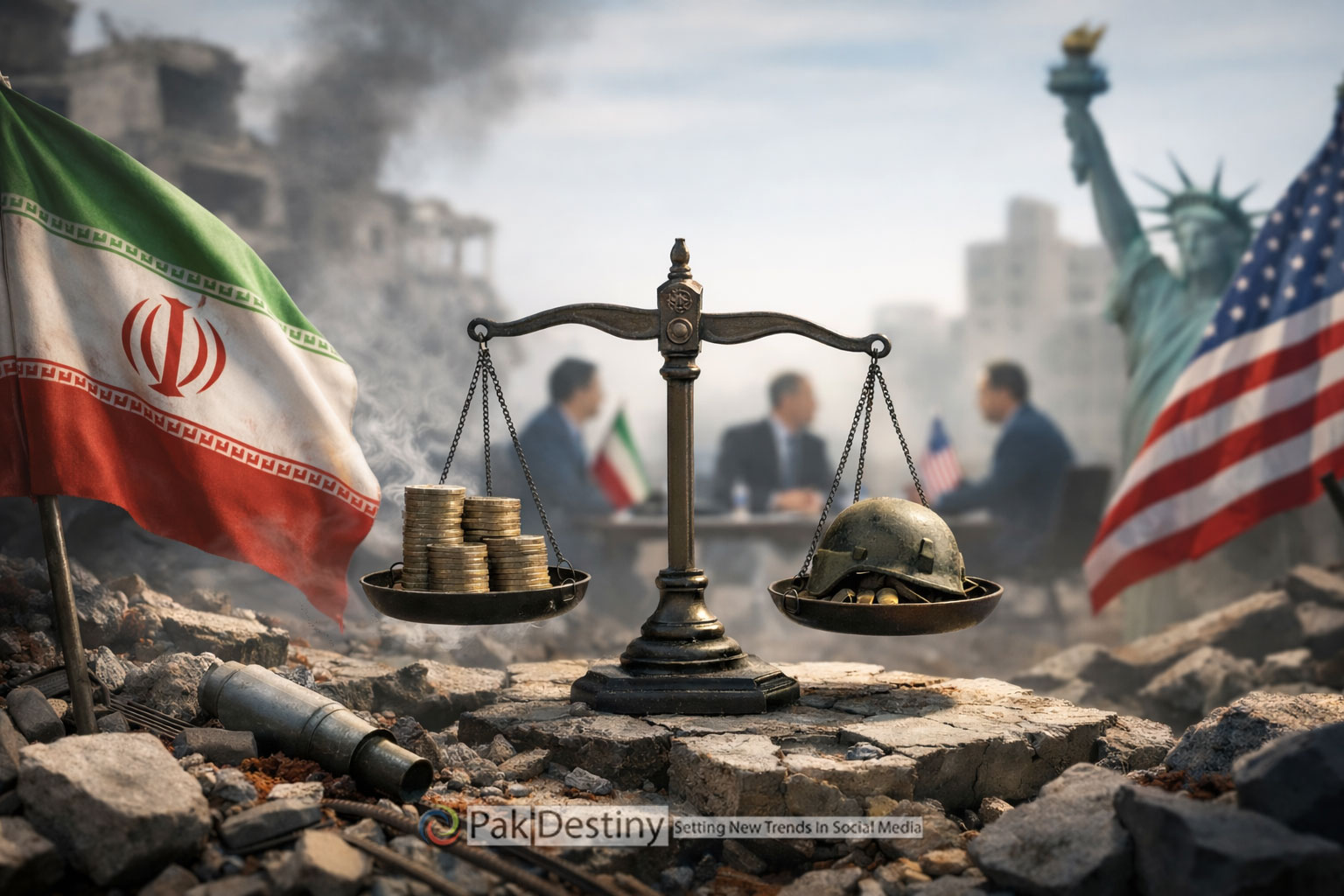
For Iran, the demand for reparations is both a legal and moral issue. A figure of $270 billion has been mentioned in discussions, though experts say a full assessment of damages could take years. Still, many argue that if the US is serious about reaching a lasting peace agreement, it must at least acknowledge responsibility and commit to compensation.
The broader question now is whether accountability will become part of diplomacy. For Iran, rebuilding damaged schools, hospitals, and communities is essential—not just for recovery, but for trust. For the United States, responding to these demands could be a test of its willingness to move from conflict toward genuine reconciliation.
As talks continue, the issue of reparations remains a powerful reminder: wars may end with ceasefires, but their consequences last far longer.