By Zulqernain
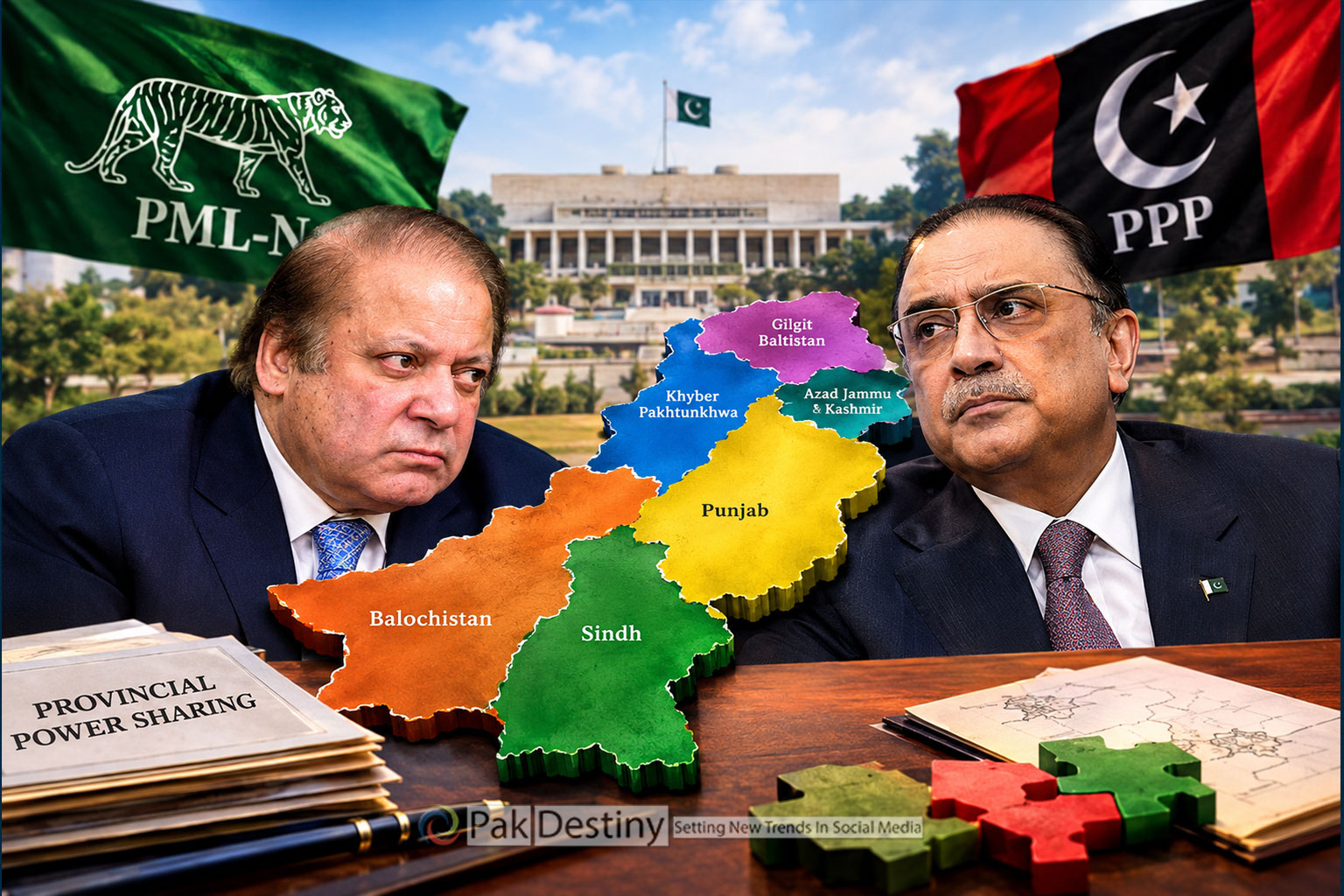
Mounting political and administrative pressure is pushing the PML-N and PPP towards what could become one of Pakistan’s most consequential constitutional reforms — the creation of new provinces.
For decades, successive governments have acknowledged that Pakistan’s rapidly growing population and highly centralised provincial structure have made governance increasingly difficult.
Yet the demand for new provinces has largely remained an election-time slogan, buried once political parties returned to power.
"@NawazSharifMNShh asked @CMShehbaz
— Zulqernain Tahir (@zulqerr) September 6, 2026
to step down before he is fired by someone" senior journos @BabarDogar72 & Mohammad Ilays reveal in #InsightwithZulqernainTahir#شہدا_ہمارا_فخر#ستمبر27_کی_کال_عوام_تیار#LondonPlan#DefenceDayOfPakistanhttps://t.co/JmmqR7rgkp
That may now be changing.
The debate over carving out new provinces — particularly in Punjab — is gaining fresh momentum, placing the country’s two largest mainstream parties under pressure to move beyond rhetoric and agree on a constitutional roadmap.
Punjab, home to more than half of Pakistan’s population, remains at the centre of the controversy. Long-standing demands for separate provinces in South Punjab and Bahawalpur have once again raised a fundamental question: Can a province with a population larger than most countries continue to be effectively governed from a single provincial capital?
Political observers believe the PML-N and PPP may increasingly find themselves compelled to develop a joint strategy, despite their competing political interests.
He wants his provinces… unclear he’ll get his provinces…
— cyril almeida (@cyalm) September 6, 2026
The stakes, however, are high.
Redrawing provincial boundaries could fundamentally reshape Pakistan’s political landscape, alter electoral calculations and trigger disputes over resources, administrative control and representation in the Senate.
For the PML-N, the issue strikes directly at the heart of its traditional political power base in Punjab. A division of the country’s largest province could weaken the political dominance that Punjab has historically enjoyed in national politics.
The PPP faces an equally complicated challenge. While it has supported the creation of a South Punjab province, demands for greater administrative autonomy are also emerging in other parts of the country, including Sindh, Khyber Pakhtunkhwa and Balochistan.
The growing pressure has transformed the issue from a distant constitutional debate into an increasingly urgent political question.
Pakistan’s population has expanded dramatically, but its provincial structure has largely remained unchanged for decades. Critics argue that successive governments have continued to create new divisions, districts and administrative offices instead of addressing what they describe as a fundamental structural problem.
However, the creation of new provinces will require far more than political announcements.
It would require constitutional amendments, a broad parliamentary consensus and, crucially, political agreement among stakeholders who fear losing territory, resources and influence.
That is where the real test for the PML-N and PPP begins.
With demands for regional autonomy growing and governance becoming increasingly complex, the two parties may soon have to decide whether the question of new provinces will once again be reduced to an election promise — or become the defining constitutional reform of their political era.
ہر ڈویژن کو صوبہ بنانے کی بحث عمران خان نے شروع کی اور تحریک انصاف نے اپنے منشور میں بھی نئے صوبے بنانے کا وعدہ کیا لیکن آج عمران خان کا یہ بیان ٹی وی چینلز پر نہیں چل سکتا آپ عمران خان سے اختلاف کر سکتے ہیں لیکن آج محسن نقوی وہی کہہ رہے ہیں جو خان صاحب بہت سال پہلے کہتے تھے pic.twitter.com/cTvNWnUiy8
— Hamid Mir حامد میر (@HamidMirPAK) September 5, 2026
The pressure is building.
The political map of Pakistan could eventually be next.