— From Blockade to Backchannels: Pakistan Steps In as US and Iran Edge Toward Deal
— Trump’s Pressure Tactics vs Iran’s Defiance: Is a Deal or Escalation Next?
— Middle East on Edge: US Blockade Chokes Iran as Fresh Warnings Raise Stakes
By Irum Saleem
The current trajectory of the US–Iran conflict reflects a dangerous mix of military pressure, diplomatic maneuvering, and geopolitical positioning—where even limited miscalculations could widen the war.
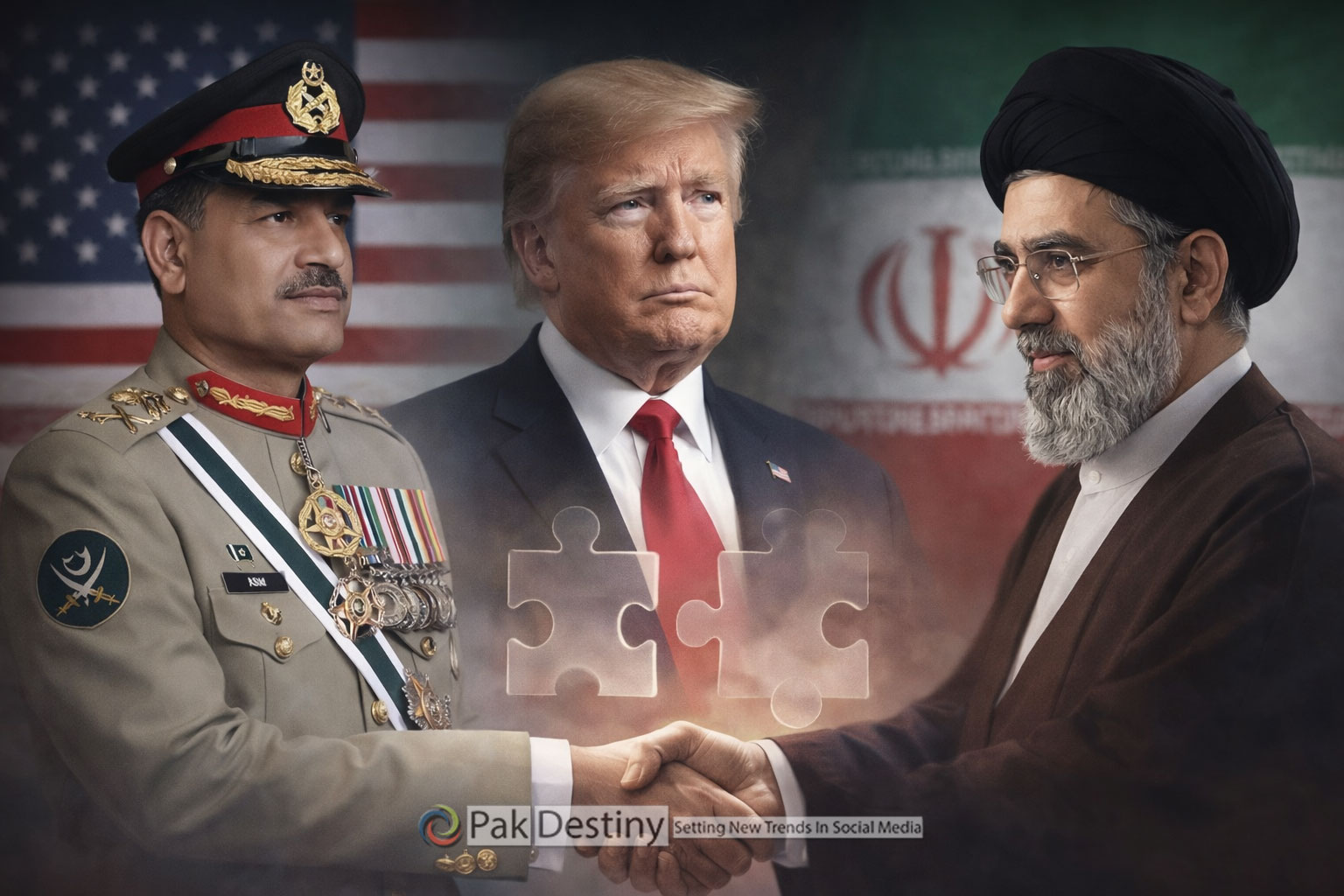
Pakistan’s emergence as a mediator has added an important diplomatic dimension. Its ability to maintain working relations with both Washington and Tehran, while staying outside the conflict, has allowed it to act as a credible facilitator. This role goes beyond symbolic engagement; bringing both sides to even consider dialogue amid active hostilities is diplomatically significant. However, whether this elevates Pakistan to the status of a “middle power” remains debatable. True middle powers typically combine diplomatic leverage with economic strength, strategic autonomy, and institutional influence—areas where Pakistan still faces structural constraints.
That said, in a fragmented global order where traditional power hierarchies are shifting, even situational influence like Pakistan’s can carry real weight.
On the battlefield and strategic front, the situation remains tense but controlled. The United States, under Donald Trump, appears to be relying more on coercive containment than full-scale escalation.
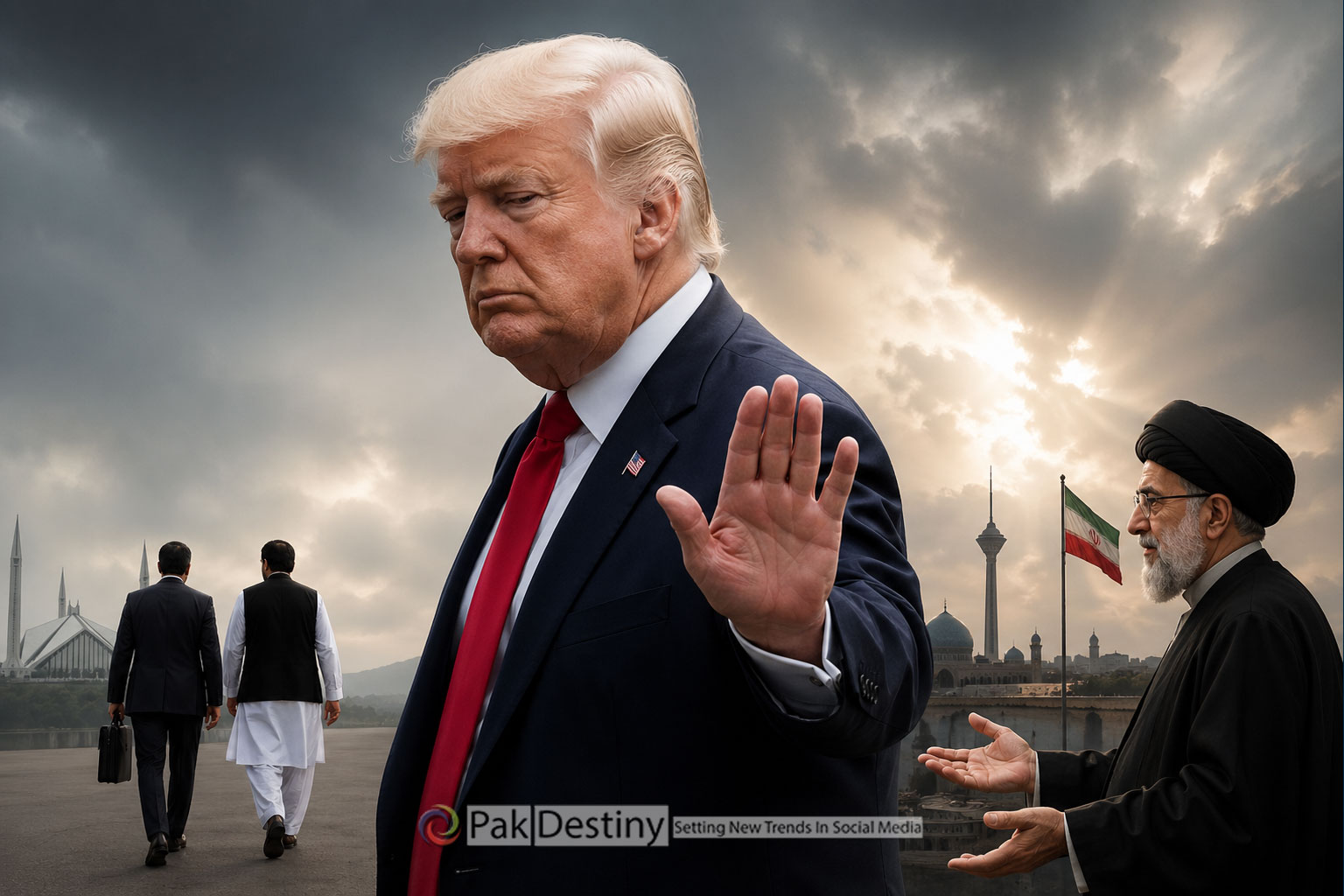
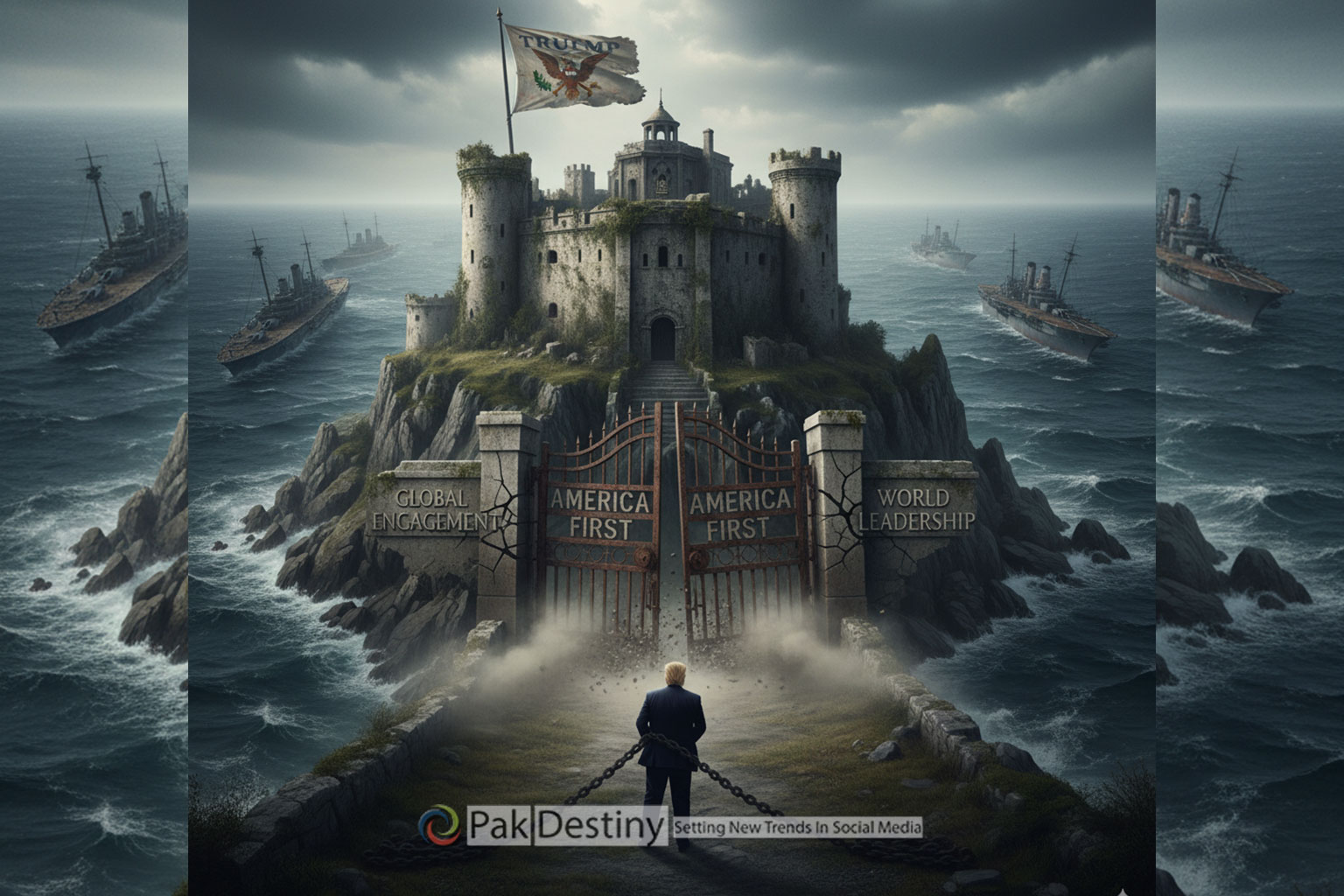
His statement about maintaining a naval blockade signals a shift toward sustained economic and logistical pressure rather than immediate expansion of airstrikes. By describing the blockade as “more effective than bombing,” Trump is essentially framing it as a long-term strangulation strategy aimed at forcing Iran into negotiations over its nuclear programme.
The blockade itself is significant—it restricts Iran’s oil exports, limits trade flows, and increases internal economic pressure. Historically, such measures have had mixed outcomes: they can push a country toward negotiation, but they can also harden positions, especially when national sovereignty and regime survival are at stake.
Iran’s response, particularly through the Islamic Revolutionary Guard Corps (IRGC), suggests defiance rather than retreat.
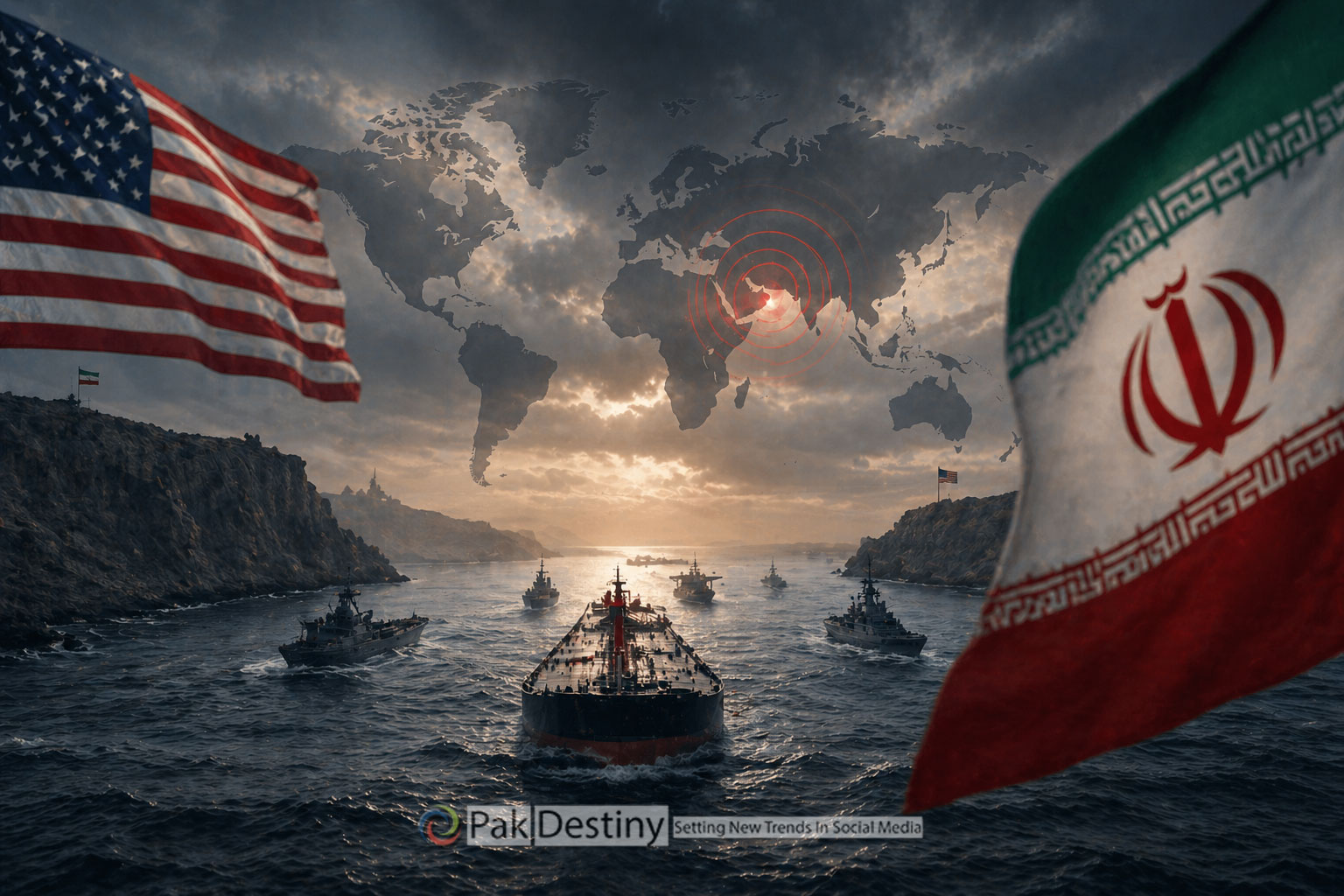
Fresh warnings from the IRGC indicate that Tehran is prepared to escalate asymmetrically if needed—whether through regional proxies, disruption in strategic waterways like the Strait of Hormuz, or targeted actions against US interests in the region.
Iran’s strategy has long relied on indirect pressure rather than conventional confrontation, which keeps the conflict below full-scale war but perpetuates instability.
Diplomatically, there are still backchannel efforts. Despite the rhetoric, both sides appear to recognize the costs of prolonged conflict.
The US wants verifiable limits on Iran’s nuclear ambitions, while Iran is seeking sanctions relief, security guarantees, and potentially compensation for damages.
This gap remains wide, but not unbridgeable—especially if mediators like Pakistan, or other regional actors, can structure a phased agreement.
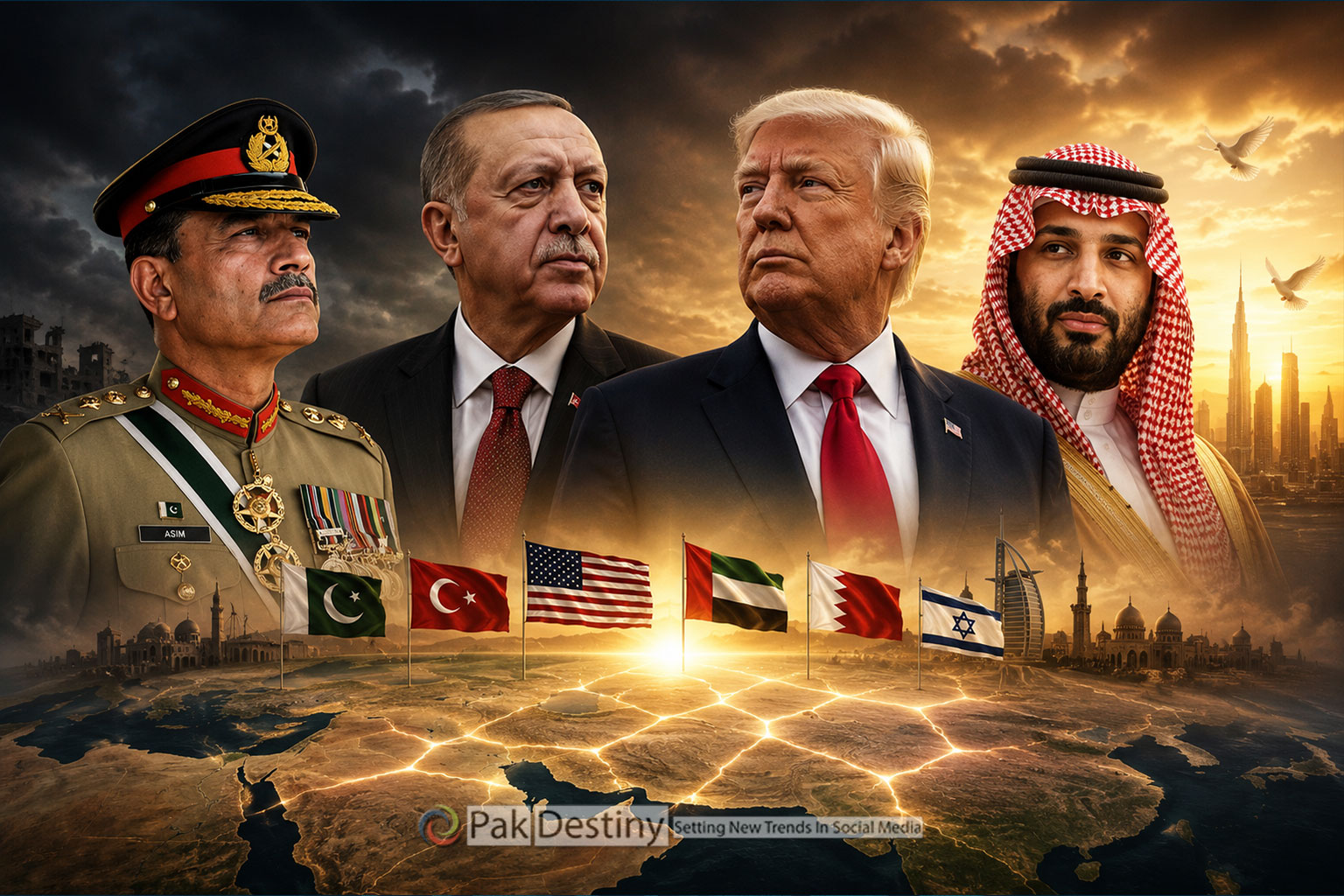
The broader regional context complicates matters further. Israel’s alignment with US objectives adds another layer of pressure on Iran, while Gulf states are cautiously balancing between security concerns and economic stability.
Meanwhile, humanitarian conditions across parts of the Middle East are deteriorating, with millions facing food insecurity—an indirect but severe consequence of prolonged instability and disrupted supply chains.
Possible Outcomes
1. Negotiated De-escalation (Most Likely, but Fragile)
Under sustained economic pressure from the blockade, Iran may agree to limited negotiations—possibly a revised nuclear deal with phased sanctions relief. This would likely be incremental rather than a comprehensive agreement, with mediators playing a key role.
2. Prolonged Stalemate
The conflict could settle into a “no war, no peace” scenario: continued blockade, sporadic proxy attacks, and diplomatic posturing without a decisive breakthrough. This is historically common in US-Iran relations.
3. Regional Escalation
If the IRGC follows through on its warnings—such as targeting shipping lanes or US assets—the conflict could quickly expand, drawing in regional players and potentially disrupting global energy markets.
4. Internal Pressure Dynamics
Economic strain from the blockade could create internal pressure within Iran, but it could just as easily consolidate hardline elements rather than produce compromise.
Bottom Line
The war is currently in a coercive phase rather than an all-out military one. The US is tightening pressure through blockade tactics, while Iran is signaling resilience and deterrence. Diplomacy is still alive—but it is operating in a narrow space shaped by mistrust, domestic politics, and regional rivalries.
Pakistan’s role, while notable, will ultimately depend on whether it can help translate backchannel contacts into a structured negotiation framework—something that remains uncertain but not impossible.