By Irum Saleem
The phrase “Form 47 model” has quietly entered Pakistan’s political and economic vocabulary—less as a technical reference and more as a metaphor for a system many critics say is producing imbalance, uncertainty, and deepening economic strain.
فارم 47 کا ماڈل:
— Moonis Elahi (@MoonisElahi) April 29, 2026
• قرضہ ڈبل ہو کر ریکارڈ 80 ٹریلین روپے
• سرمایہ کاری بند
• فیکٹریاں بند
• کاروبار بند
• ترقی؟ صرف وزراء، جعلی اسمبلیوں اور بیوروکریسی کی تنخواہوں اور مراعات میں۔
PTI senior leader and former federal minister Moonis Elahi has sharply criticised the Pakistan Muslim League (N) government, calling it a “Form-47 government” and accusing it of economic mismanagement and what he termed a stolen mandate.
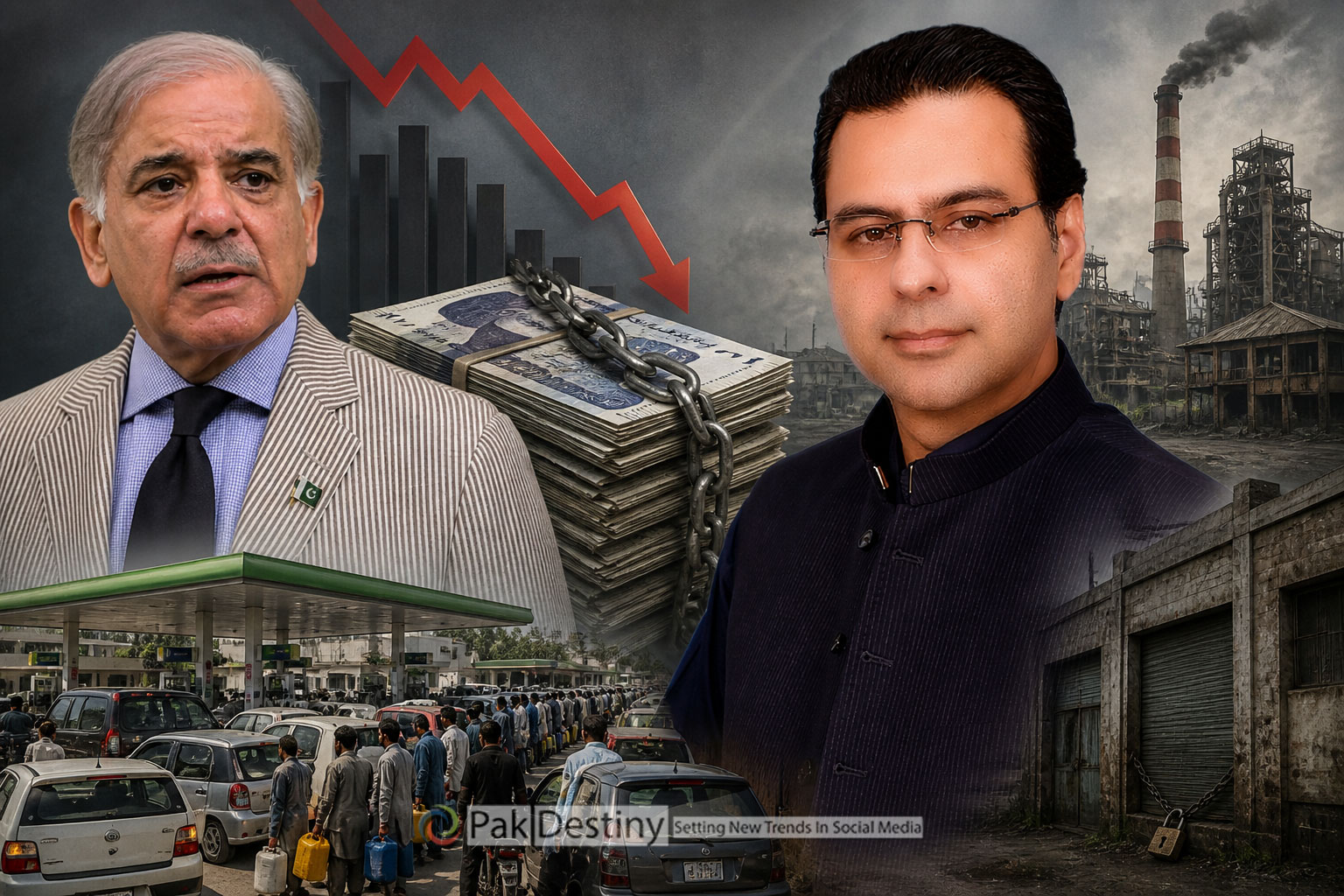
“Form 47 model: Debt has doubled to a record Rs80 trillion, investment has stopped, factories have shut down, businesses have closed. Development? Only in the salaries and perks of ministers, ‘fake assemblies,’ and the bureaucracy,” Mr Moonis said in a post on X.
کسانوں سے چھینی سبسڈی لٹیروں میں تقسیم! #MadamThiefMinister کی 11 لاڈلی پرائیویٹ کمپنیاں مفت سرکاری گودام، باردانہ، سرکاری سٹاف اور بھرپور سرکاری مالی سرپرستی کے باوجود گندم کے کسانوں کو لوٹنے میں دن رات مصروف ۔
— Moonis Elahi (@MoonisElahi) April 28, 2026
Across the country, the signs of stress are becoming harder to ignore.
Public debt has surged to unprecedented levels, with estimates hovering around Rs80 trillion.
For policymakers, it defines the limits of state capacity; for ordinary citizens, it translates into rising taxes, shrinking subsidies, and an increasingly restrictive economic environment.
In the industrial zones of Faisalabad and Karachi, factory owners speak in cautious tones. Machinery that once ran in three shifts now sits idle for long hours. Energy costs have climbed, demand has weakened, and access to credit has tightened. Some units have scaled down; others have shut their gates entirely.
ایک طرف پنجاب کے تعلیم اور صحت کے بجٹ میں اربوں کی کٹوتی۔ دوسری طرف فلم سٹی کیلئے ابتدائی اخراجات میں اربوں کی ڈکیتی۔ #MadamThiefMinister کی ترجیحات ٹک ٹاک اور ویڈیو فلمیں ہیں، تعلیم اور صحت نہیں۔
— Moonis Elahi (@MoonisElahi) April 27, 2026
A textile exporter in Karachi summed it up bluntly: “We are not closing because we want to. We are closing because survival has become too expensive.”
Investment—both domestic and foreign—has slowed to a trickle. Where there were once announcements of expansion, there is now hesitation. Investors, uncertain about policy continuity and macroeconomic stability, are choosing to wait—or look elsewhere.
In bazaars across Lahore, Rawalpindi, and smaller towns, traders describe a similar story.
فارم 47 والوں نے پوری قوم کا جینا حرام کر دیا ہے پاکستان کو کنگال کر دیا بیرون ممالک سے قرض لے کر حکمران عیاشیوں میں مبتلا ہیں @MoonisElahi
— Noor_samand (@Noorsam75667735) April 29, 2026
Footfall has declined, purchasing power has eroded, and businesses that survived previous downturns are now struggling to stay afloat. Shops that once stayed open late into the night are closing earlier, unable to justify rising overheads against shrinking returns.
Yet amid this contraction, one part of the system appears insulated.
Government expenditure patterns have drawn criticism, particularly the rising cost of maintaining administrative structures. Salaries, perks, and operational expenses tied to governance continue to expand, even as development spending remains constrained. For many observers, this imbalance reinforces a perception that the burden of adjustment is not evenly shared.
A senior economist in Islamabad described it as “a structural disconnect—where austerity is public, but expansion is institutional.”
حکومت صرف ٹکسوں کی مد میں عوام سے پیسہ اکٹھا کر کے اپنی عیاشی اور کرپشن میں لگی ہے دن رات
— ADV CH JUNAID NISAR SANDHU (@ChjunaidSandhu8) April 29, 2026
The consequences are not just economic—they are social.
Young graduates entering the job market face limited opportunities. Skilled workers increasingly view migration as a necessity rather than ambition.
Households are forced into difficult trade-offs between education, healthcare, and daily expenses.
And yet, within this difficult landscape, there remains a quiet resilience.
Pakistan’s economy has endured crises before. Informal networks, entrepreneurial adaptability, and a large overseas workforce continue to provide lifelines. Remittances sustain millions of families, while small businesses innovate in ways that rarely make headlines.
But resilience alone is no longer enough.
Economists argue that without structural reforms—broadening the tax base, reducing inefficiencies, ensuring policy consistency, and restoring investor confidence—the current trajectory may become harder to reverse.
The “Form 47 model,” whether political slogan or analytical shorthand, reflects a growing sentiment: that economic outcomes are deeply tied to governance choices.
As Pakistan stands at this crossroads, the question is no longer whether the challenges are real—they are visible in shuttered factories, silent machines, and strained households.
The real question is whether the system can change course—before the costs become irreversible.