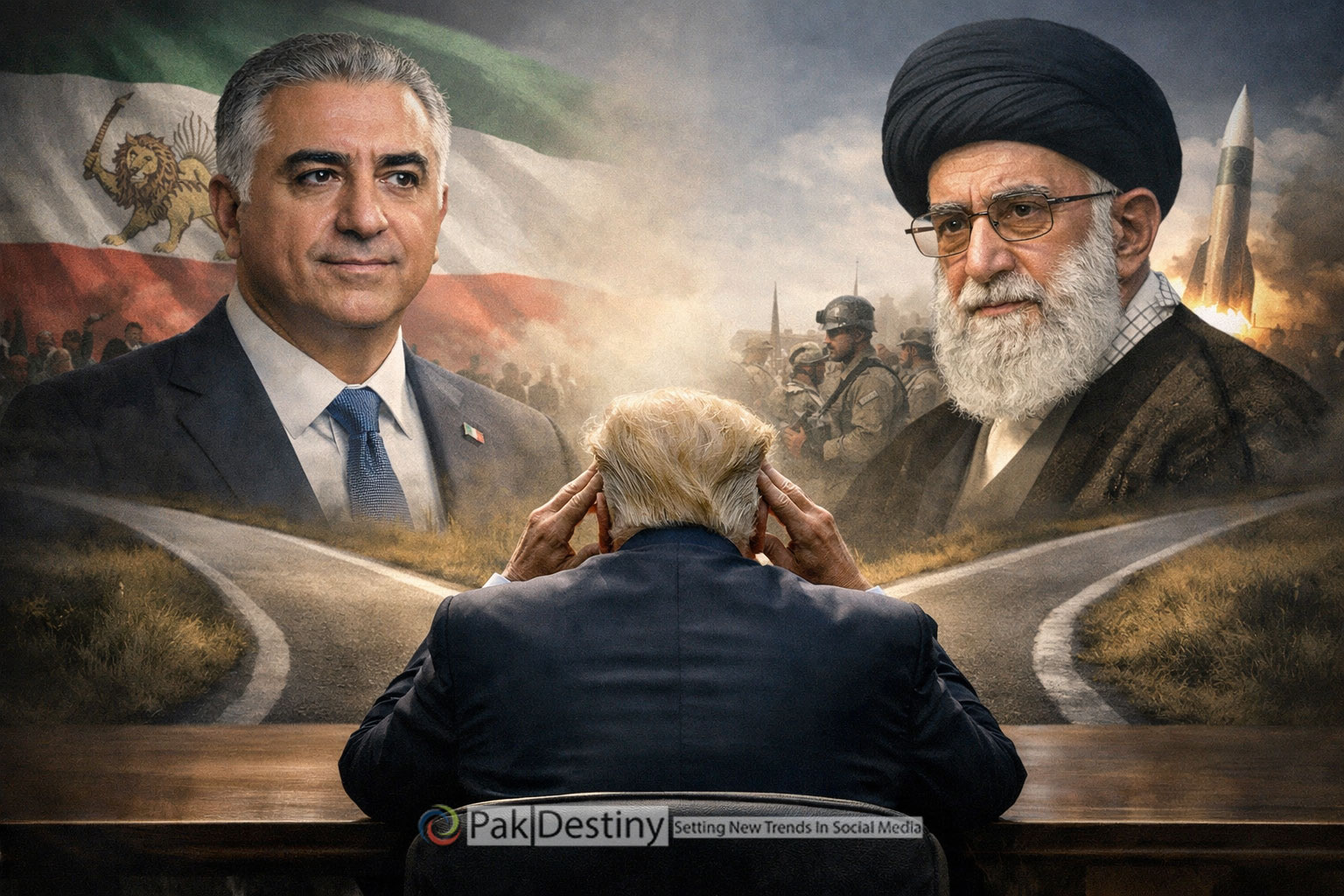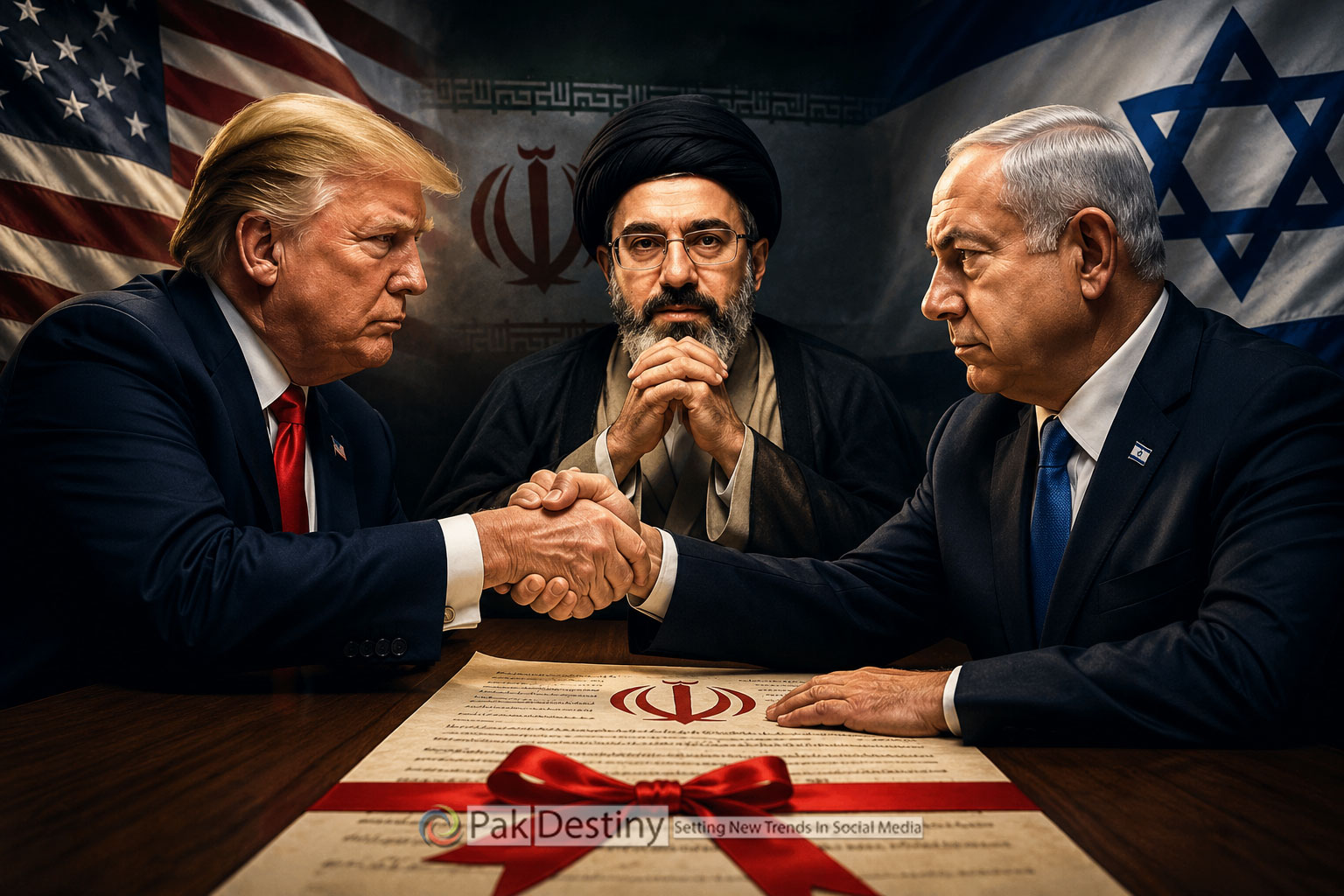
— A wise enemy is better than a foolish friend
By Afzaal Rehan
On the Iran–US deal, while one side is celebrating success and joy, the other side is witnessing strong objections—not only from Israel but also from within the United States itself.
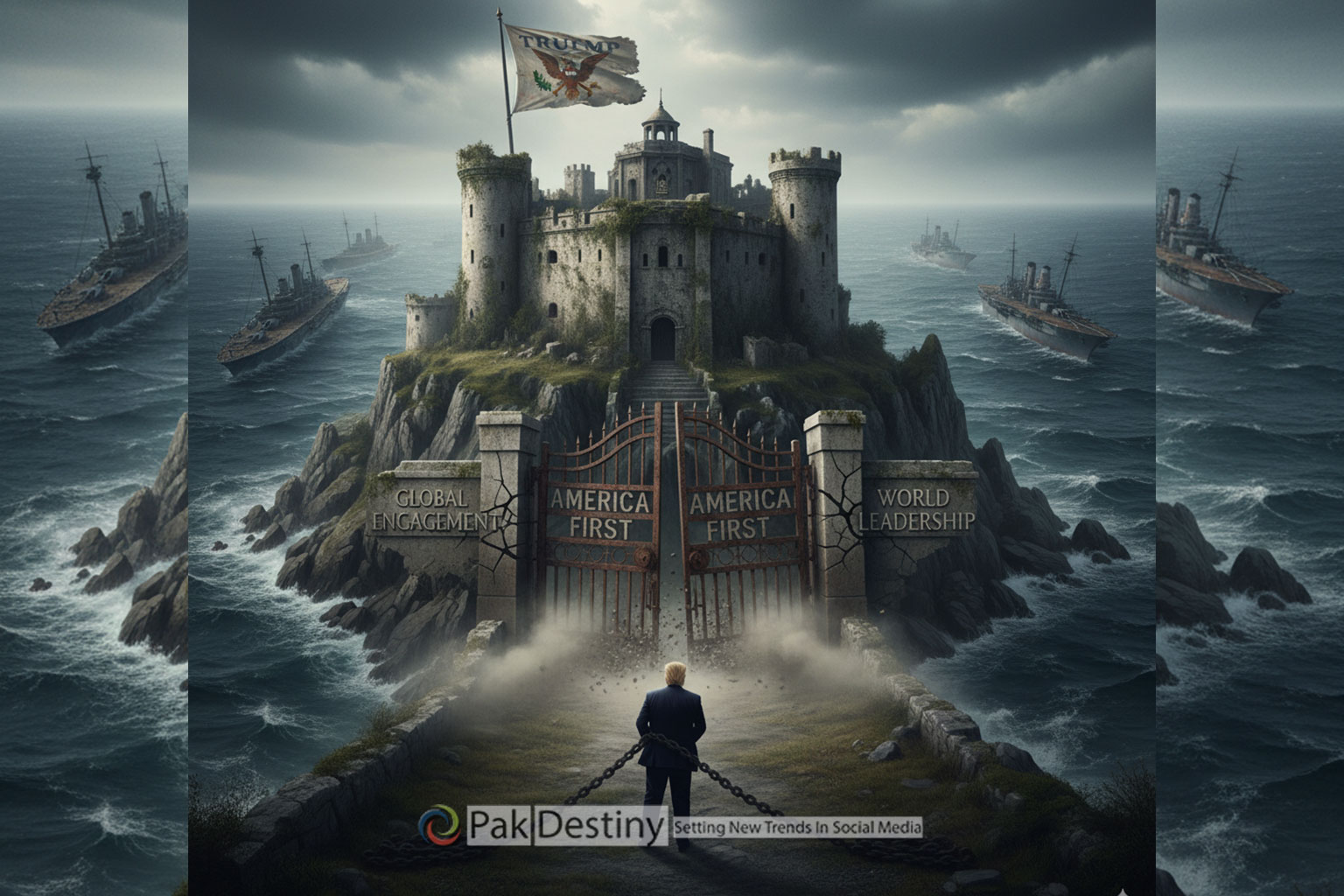
The truth is that Trump will eventually leave office, but he will leave behind thorns for future American governments—thorns whose sting will be felt for years. To remove the negative consequences, Americans will need not only dollars but also immense effort and struggle.
As the wise say, *“a wise enemy is better than a foolish friend.”* No enemy can be as dangerous as a friend who is obsessed with flattery and self-praise. Trump’s tragedy is precisely this: he appears to be an unstable and imbalanced personality, lacking the ability to distinguish between friend and enemy. Perhaps he is America’s version of Imran Khan—someone who says or does something inappropriate without even realizing its consequences.
Historically, Israel and Saudi Arabia are among America’s closest allies, yet Trump’s public remarks about both have been openly disrespectful. He has told Saudi leadership that “without us, you would not survive even a week.” Now he has similarly told Israel, with similar arrogance, that “if I had not eliminated Iran’s nuclear capability, you would not have lasted even two hours.” He has even gone so far as to say, “Israel has no existence without us.” Are such statements acceptable for a president to make publicly? “The person who is currently running Syria is the one I brought there myself”—does he not feel any shame making such remarks? Is this the respect America shows to its allies, or is it constant public humiliation? Are you a president or a comedian?
There is also disappointment for those who elected him. It would perhaps be better if the same people removed him in the midterm elections.
Even leaders of allied countries like India have not been spared from his humiliation—simply because Modi did not give him credit for a ceasefire. On the other hand, the same Trump who speaks harshly about the Iranian Supreme Leader—whose parents and children were killed—now appears eager to meet him at the White House as if nothing happened.
The so-called peace deal is already under intense debate in the United States, and this debate will only become more bitter with time. From Presidents Obama and Clinton to members of Congress, from American media to global media, Trump’s actions are being widely criticized.
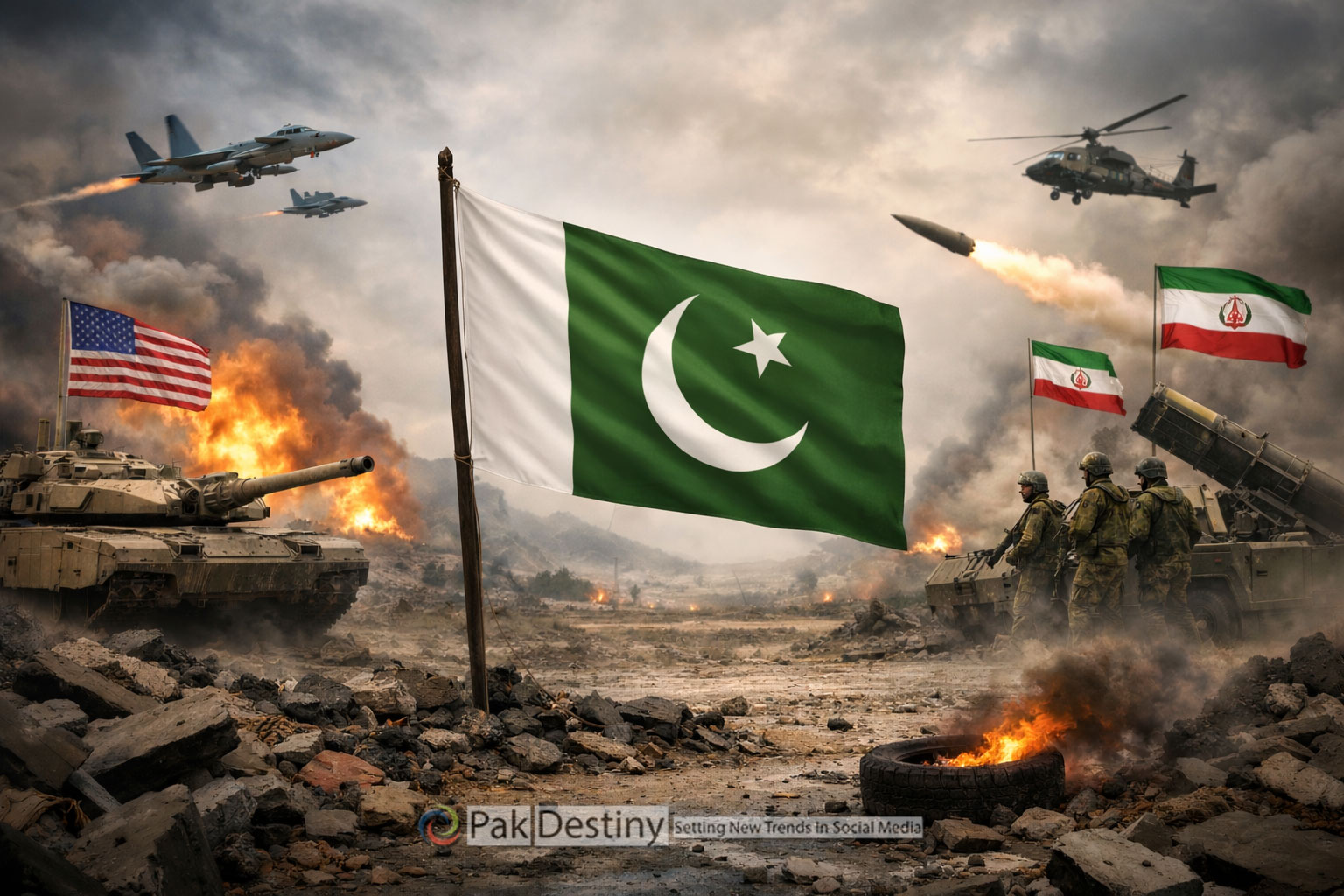
The Iran–US agreement is being described as a “document of surrender.” It is being said that Trump has not only wasted nearly $100 billion of American taxpayers’ money in a meaningless war, but also brought back 14 American soldiers in coffins. And what was achieved in return? Only the opening of the Strait of Hormuz—which, ironically, was never truly closed even before the conflict. So what was the actual outcome?
Both the Israeli government and opposition have condemned the Iran–US MOUs, calling them dangerous not only for Israel and the region but for global peace. They claim Trump has disappointed them, wasted their achievements, and delivered a strategic setback. According to them, the deal does not impose restrictions on Iran’s nuclear or missile programs, nor on Hezbollah—an Iranian-backed armed group—creating a serious security threat.
This raises an important question: why was the confrontation of February 28 initiated at all? Was it a miscalculation? The real issue for the United States was the expectation of regime change in Tehran through pressure. That objective failed—but does that justify strengthening the same regime further?
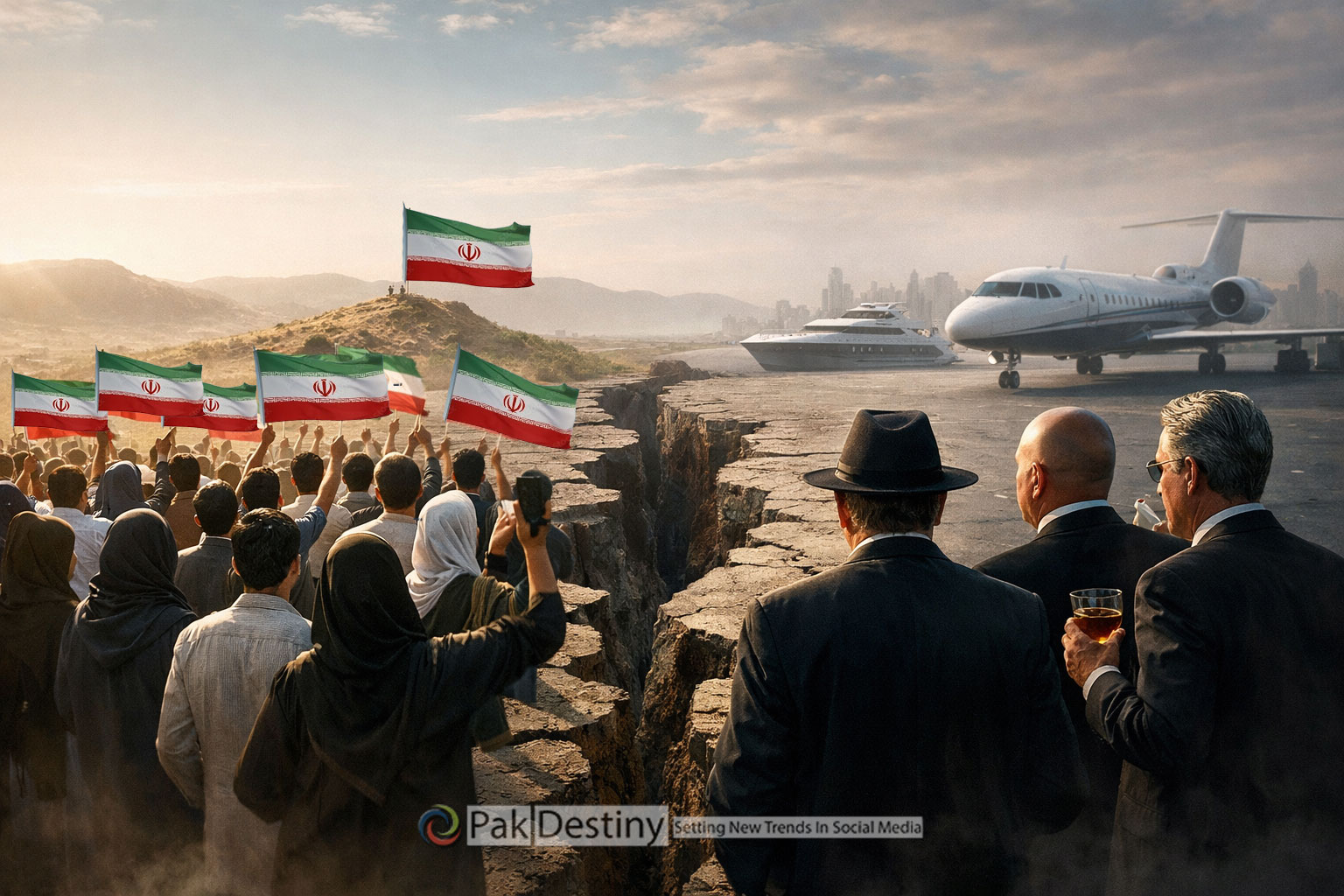
A regime that was already unpopular among its own people is now being strengthened. A weakened religious leadership is being replaced by a younger and more energetic structure, which at least does not carry the same personal resentment among ordinary Iranians. A previously disliked leadership is now gaining unprecedented popularity, with narratives of martyrdom emerging around it.
A system that people once considered oppressive under decades of economic sanctions is now being recast as a symbol of resistance and victimhood. This transformation is granting it unprecedented legitimacy and power—now even backed by the possibility of $300 billion in relief and lifted sanctions. Under such circumstances, one must ask: will the suffering of ordinary Iranians not increase further? Will they still be able to raise even a faint voice against a rigid system that has punished dissent for decades?
Meanwhile, Hezbollah’s operations from Lebanon have devastated southern Israeli towns and villages. If this cycle continues, Israel will inevitably claim its right to self-defense. In such a scenario, how can this deal possibly move forward?
And regarding the “Abraham Accords,” which America pressures Arab states to join—what protection has been offered in return? Some of the same Arab states that normalized relations with Israel have themselves faced missile attacks and drone strikes. If the United States cannot guarantee their security, why would any other Arab country trust the “Abraham Accords” in future? Would this not mark a major diplomatic failure for Washington?
Many Arab states host US military bases and invest heavily in the American economy, yet when crisis arrives, they receive no real security guarantee. In the future, will they continue to rely on America—or turn toward its rivals instead?
Ultimately, if these miscalculations strengthen authoritarian regimes, then not only will the chains on Iranian citizens tighten further, but neighboring Arab countries will also live under increasing pressure and fear. Israel’s security challenges will multiply. And in the broader picture, will Western civilizational values themselves not come under strain in this growing chaos?
Afzaal Rehan
Pakistan based Journalist /Columnist can be reached [email protected]