By Zulqernain
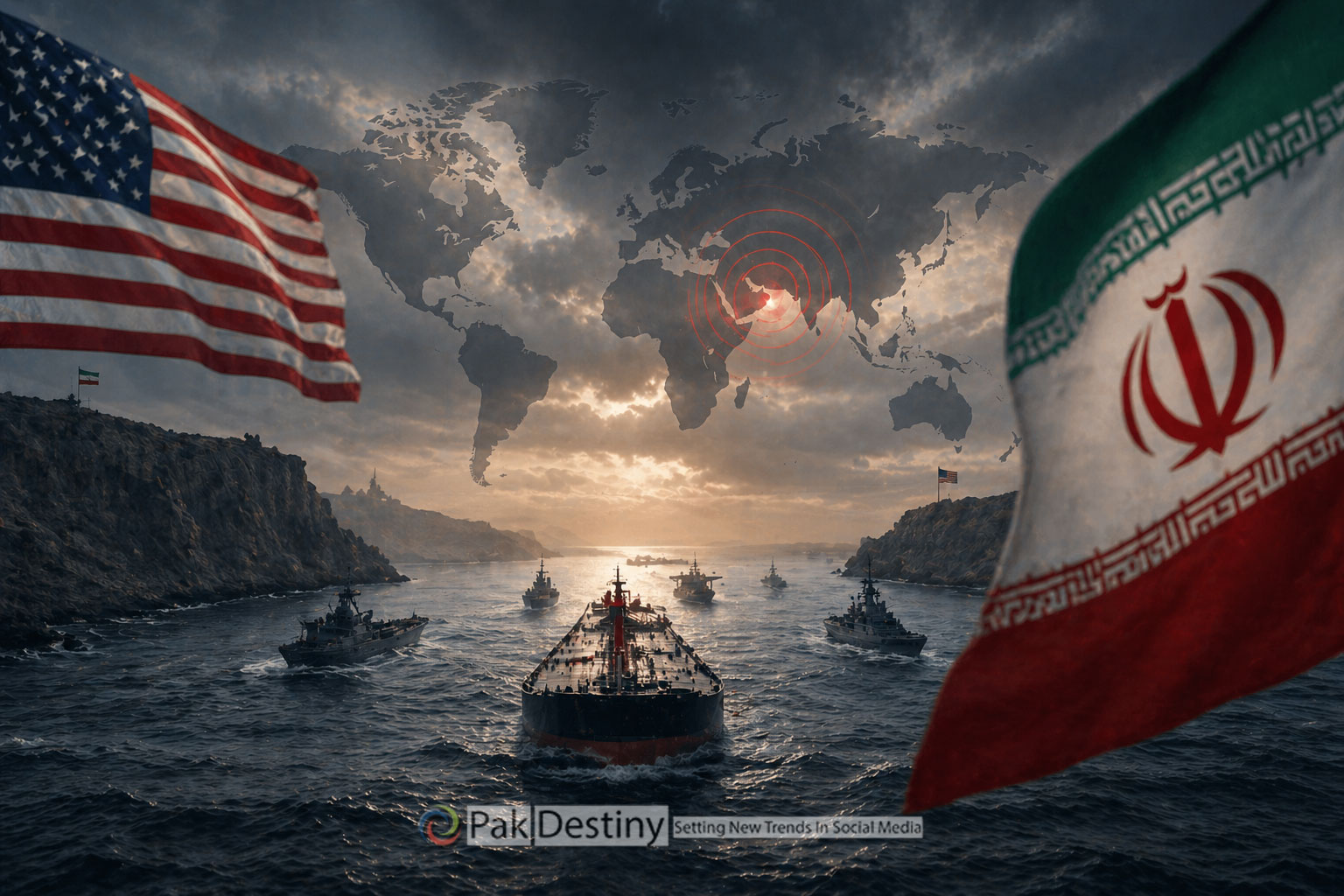
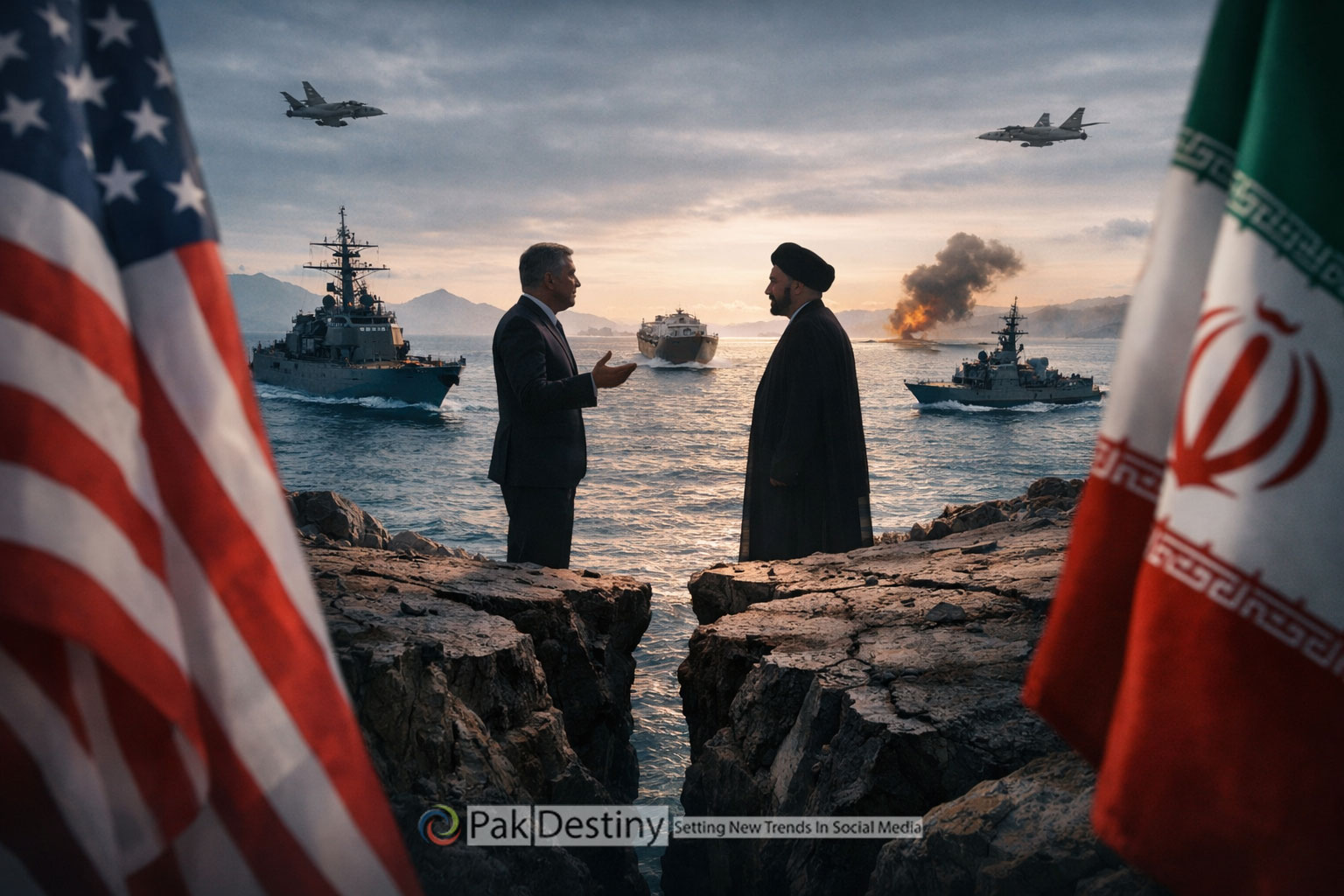
Iran’s decision to reopen the Strait of Hormuz to commercial shipping, coupled with cautious optimism expressed by former US President Donald Trump over the prospects of a deal, has injected fresh momentum into fragile diplomacy between Washington and Tehran — even as deep mistrust and strategic differences continue to cloud the path to any meaningful breakthrough.
The reopening of the vital maritime corridor, a lifeline for global oil supplies, has helped ease immediate market fears and is being viewed as a tentative confidence-building measure. However, the broader confrontation between the United States and Iran remains unresolved, rooted in longstanding disputes over Tehran’s nuclear programme, regional influence, and security dynamics in the Middle East.
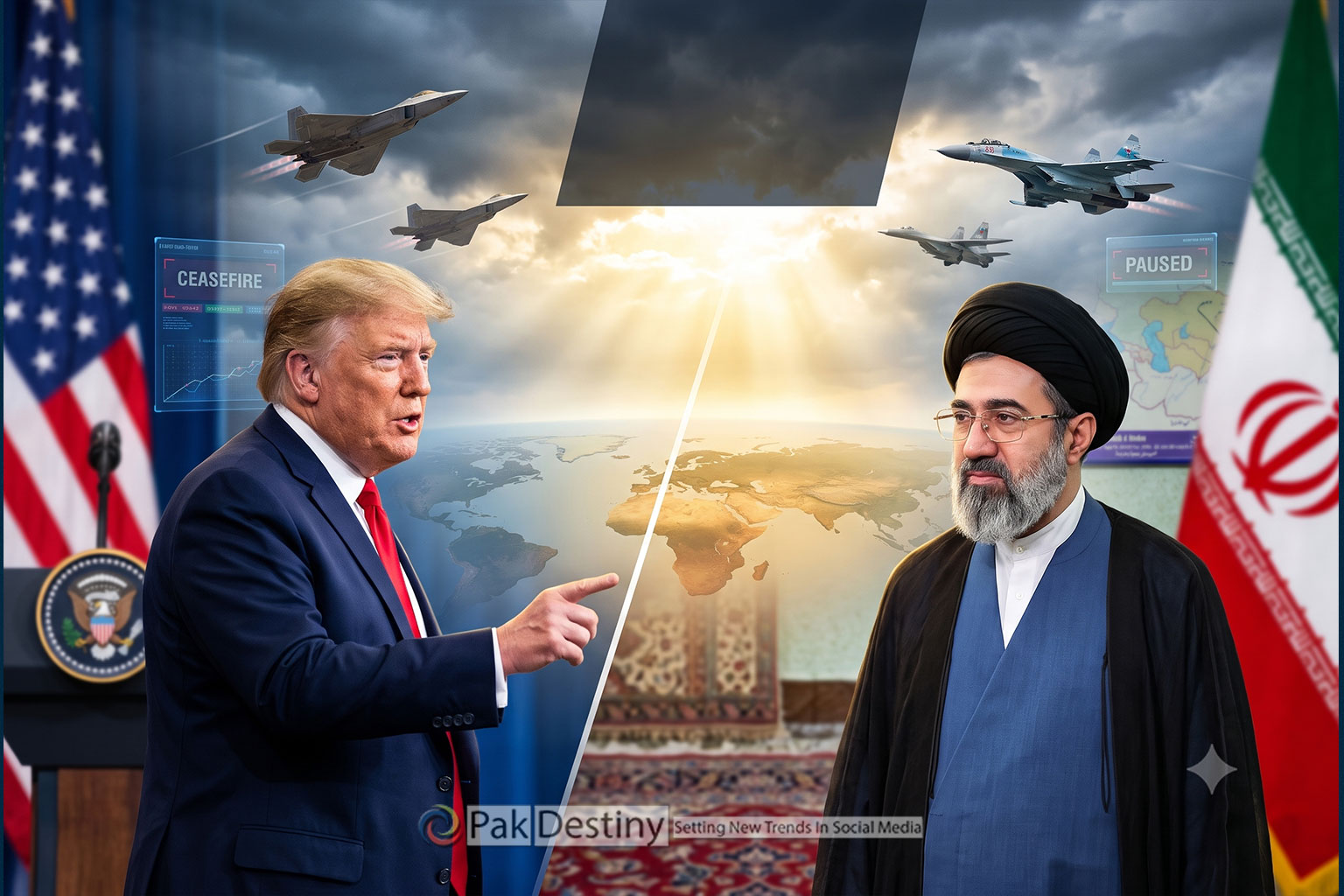
The latest round of talks, held in Islamabad, ended without a formal agreement, underscoring the complexity of the crisis despite rare direct engagement between the two sides. While the shift from indirect contacts to face-to-face negotiations marks a significant diplomatic development, substantive differences continue to hinder progress.
At the centre of the مذاکرات lies a fundamental divergence. Iran maintains that its nuclear programme is for peaceful purposes and insists on its right to enrichment under international frameworks, while also demanding the lifting of economic sanctions, including access to billions of dollars in frozen assets. The United States, in contrast, is seeking verifiable and long-term restrictions on Iran’s nuclear capabilities, along with broader commitments relating to regional security.
Diplomatic sources indicate that possible frameworks are being explored to bridge the gap. These include proposals for Iran to transfer or neutralise its stockpile of enriched uranium in exchange for phased sanctions relief and financial concessions. Such arrangements, if realised, would likely serve as interim measures aimed at reducing tensions rather than resolving core disputes.
At the same time, Washington has signalled openness to limited technical cooperation on issues such as nuclear material management and maritime security while maintaining strategic pressure through its continued naval presence in the region.
Amid these developments, Pakistan has emerged as an important facilitator, hosting talks in Islamabad and enabling communication between the two sides. Analysts say Islamabad’s ability to engage with both and has helped sustain diplomatic momentum at a critical juncture.
Despite some positive signals, including the reopening of the Strait of Hormuz, experts caution that these steps remain fragile and reversible. In the absence of a comprehensive agreement, the risk of renewed escalation continues to loom large.
Three potential outcomes are currently being discussed in policy circles. The most likely scenario is a limited agreement focusing on nuclear restrictions and partial sanctions relief, aimed at preventing immediate escalation. A more ambitious but less probable outcome would involve a comprehensive deal addressing nuclear, economic, and regional issues. The most concerning scenario remains a breakdown of talks, which could trigger renewed military tensions and further destabilise an already volatile region.
For now, both Washington and Tehran appear aware of the high costs of confrontation, yet neither side has shown willingness to compromise on core strategic interests. With further rounds of talks expected, possibly again in Islamabad, the coming days are likely to be critical in determining whether current diplomatic efforts can translate into a sustainable path toward de-escalation.
Until then, the situation remains delicately poised — with cautious optimism tempered by the enduring realities of geopolitical rivalry.