— How journalists retract claims over alleged Rs225m expenditure on chief secretary’s residence
By Irum Saleem
A controversy surrounding claims of lavish spending on the official residence of Punjab Chief Secretary Zahid Akhtar Zaman took a dramatic turn on Wednesday when two journalists tendered unconditional apologies before the National Cyber Crime Investigation Agency (NCCIA), highlighting the growing tensions between public officials and media figures over information circulated on digital platforms.
ویلاگر ارشاد بھٹی کی جانب سے چیف سیکرٹری پنجاب سے متعلق اپنے وی لاگ (Vlog) میں لگائے گئے الزامات یکسر بے بنیاد، من گھڑت اور جھوٹ پر مبنی ہیں۔
— Government of Punjab (@GovtofPunjabPK) June 7, 2026
عوام کو گمراہ کرنے اور بغیر تصدیق کے من گھڑت افواہیں پھیلانا قانوناً جرم ہے۔ پاکستان کے پیکا ایکٹ (**PECA**) اور قانونِ ہتکِ عزت… pic.twitter.com/4HwjapGe6J
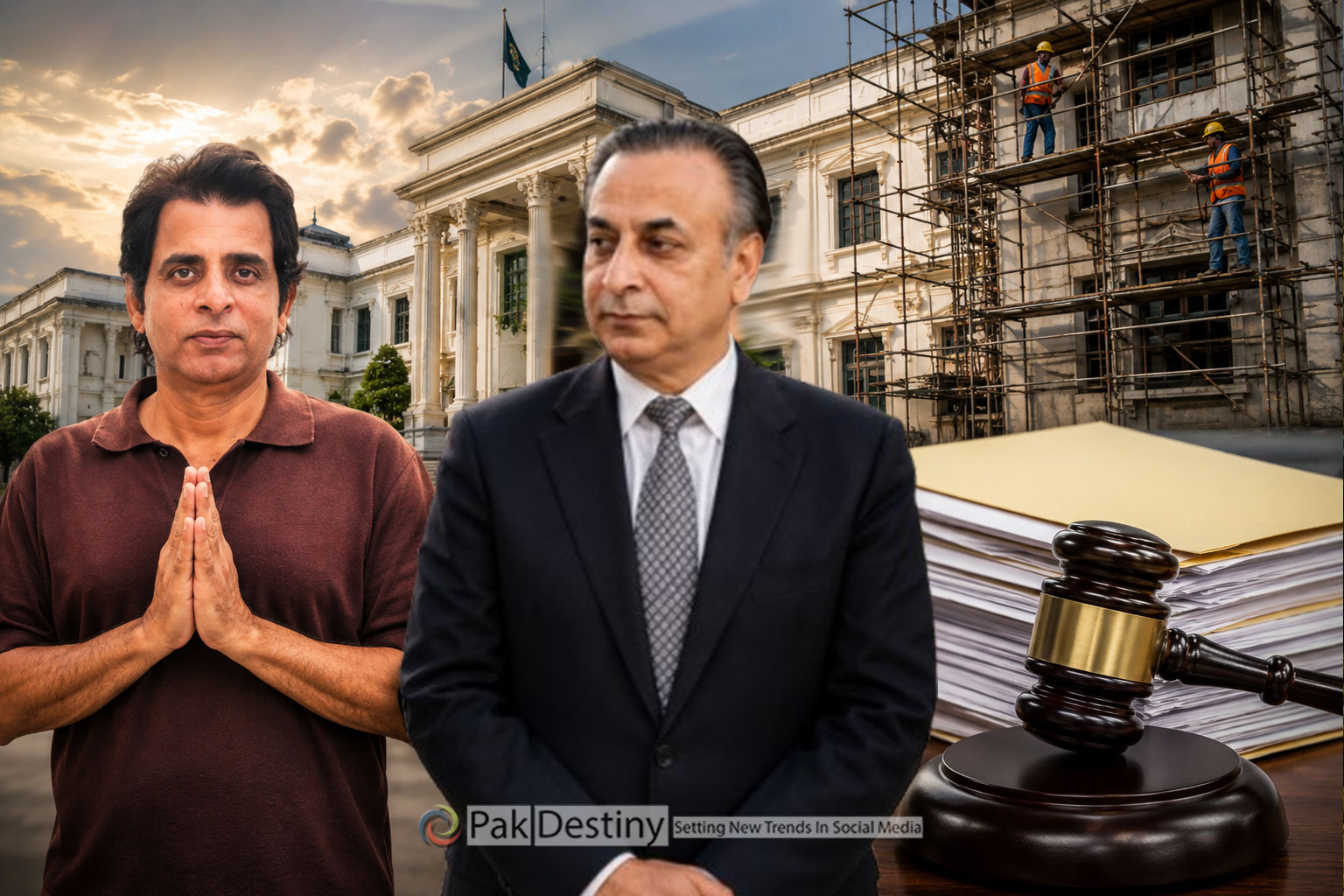
The episode began after allegations surfaced on social media and television programmes claiming that Rs225 million from public funds had been spent on the renovation and landscaping of the chief secretary’s official residence. The claims quickly gained traction online, triggering debate over public spending and accountability.
However, the Punjab government strongly rejected the allegations, describing them as baseless and part of a misinformation campaign aimed at damaging the reputation of the province’s top bureaucrat.
Acting on a complaint filed by the chief secretary, the NCCIA issued summons to senior journalists Irshad Bhatti, Anwar Sumra and Salman Haider, accusing them of disseminating false and defamatory information through digital platforms.
According to the complaint, the allegations falsely linked the chief secretary to misuse of public money and personal extravagance, thereby harming his reputation and exposing him to public ridicule and criticism.
The complaint further argued that such claims had the potential to erode public trust in a key constitutional office.
The matter reached a significant juncture on Wednesday when Mr Bhatti and Mr Sumra appeared before the cybercrime agency and submitted written responses.
Mr Sumra offered an unconditional apology, acknowledging that the information he had circulated was incorrect.
Mr Bhatti also expressed regret, stating that his commentary had been based on information aired by a private television channel which later turned out to be unfounded.
In a related development, the Lahore bureau chief of the television channel that broadcast the disputed content also submitted an unconditional apology.
Salman Haider, the third journalist named in the complaint, did not appear before the agency. Sources said he was in Gilgit-Baltistan and would respond at a later stage. But it is learnt he too will tender apology.
The journalists have requested the NCCIA to close the matter in view of their apologies and clarifications.
The case has drawn attention within media circles, where it is being viewed as another example of the increasingly blurred line between commentary, reporting and social media amplification in Pakistan’s fast-moving digital information environment.
It also underscores the growing role of the NCCIA in addressing complaints involving online content, particularly cases where public officials contend that misinformation has damaged their reputation.
For the Punjab government, the apologies represent a vindication of its position that the allegations regarding the chief secretary’s residence were unfounded.
For journalists and commentators, the episode serves as a reminder of the risks associated with relying on unverified information in an era where narratives can spread rapidly across multiple platforms before their accuracy is independently established.
While the controversy may now be nearing its conclusion, it has reignited broader questions about accountability, verification and responsibility in Pakistan’s evolving digital media landscape.