— The European Union has warned that Pakistan must address serious shortcomings in human rights, rule of law and governance to retain preferential access to the European market under the revised GSP+ regime from 2027
— Even as it acknowledged progress on several legislative reforms
By Zulqernain
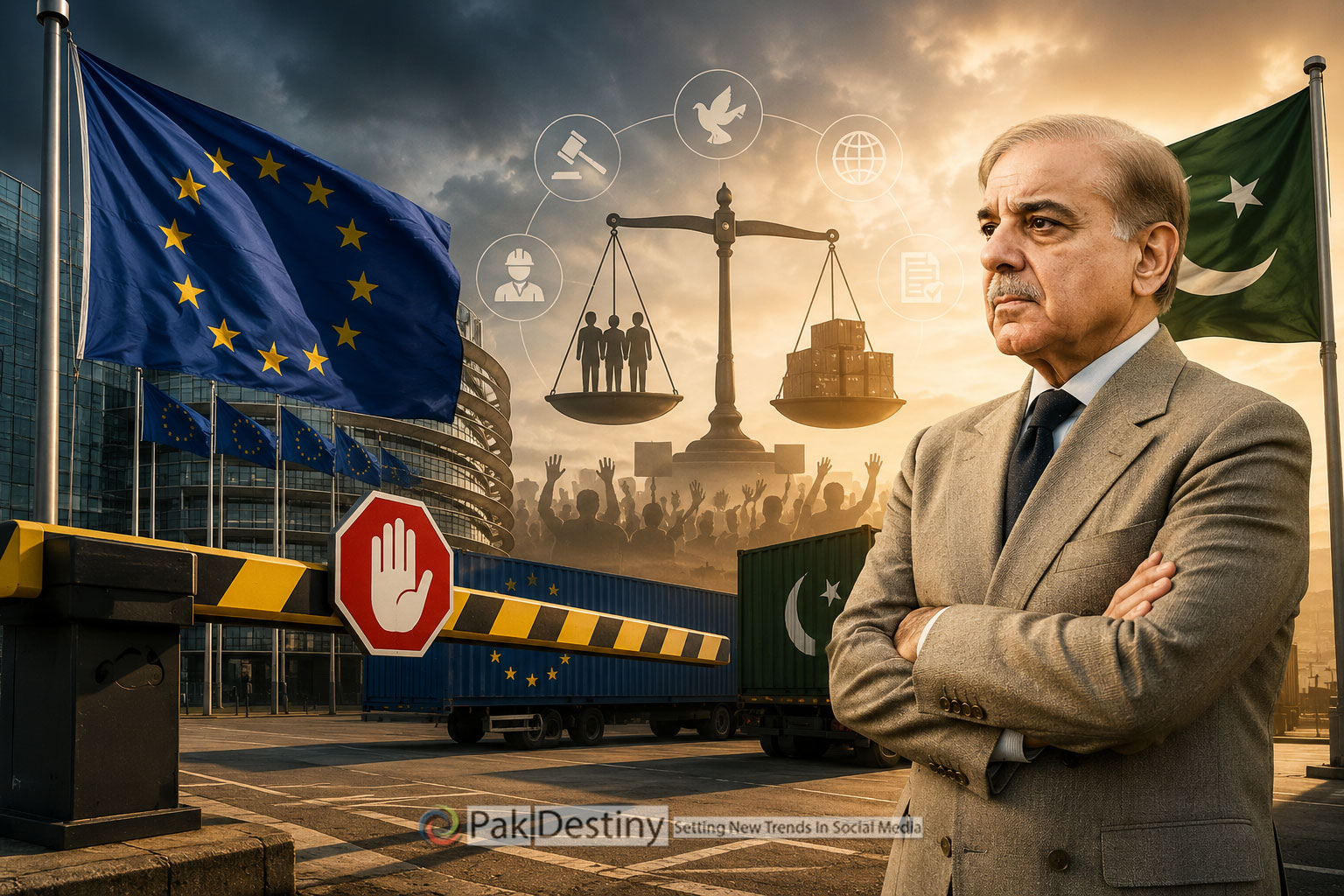
The European Union has cautioned Pakistan that its continued access to the bloc’s lucrative GSP+ trade scheme beyond 2027 will depend on tangible improvements in human rights, rule of law and governance, saying the country has regressed in several key areas despite some legislative progress.
In its latest monitoring report covering 2023-2025, the European Commission said Pakistan had faced “compliance issues” with its GSP+ obligations and warned that existing beneficiaries would have to qualify afresh under a stricter framework taking effect on Jan 1, 2027.
The European Commission’s latest GSP+ assessment confirms growing international concern over Pakistan’s rule of law and human rights crisis, including judicial independence, military trials, and the treatment of former Prime Minister Imran Khan.
— Sayed Z Bukhari (@sayedzbukhari) July 16, 2026
We will continue engaging with… pic.twitter.com/MFfPx239gX
The Commission identified accountability for human rights violations, action against torture, prison and capital punishment reforms, criminalisation of enforced disappearances, and protection of freedom of expression as key priorities for Pakistan’s future eligibility.
While acknowledging positive steps — including legislation on minority rights, implementation of the Anti-Torture Act, narrowing the scope of the death penalty, labour reforms and stronger human rights institutions — the report said most progress remained legislative and had yet to translate into meaningful improvements on the ground.
The assessment voiced serious concern over enforced disappearances, extrajudicial killings, shrinking civic space, media intimidation and restrictions on free expression. It criticised provisions in the Pakistan Electronic Crimes Act (Peca), anti-terrorism, blasphemy and defamation laws, saying they created a “chilling effect” on journalists, human rights defenders, political dissidents and religious minorities.
The Commission also expressed concern over judicial independence following recent constitutional amendments, alleged irregularities surrounding the 2024 general elections, the detention of opposition leaders and supporters, and the growing role of military courts, saying such trials fall short of international fair trial standards.
The report further highlighted persistent discrimination against religious minorities, violence against women and children, child labour, prison overcrowding and concerns over the treatment of Afghan refugees.
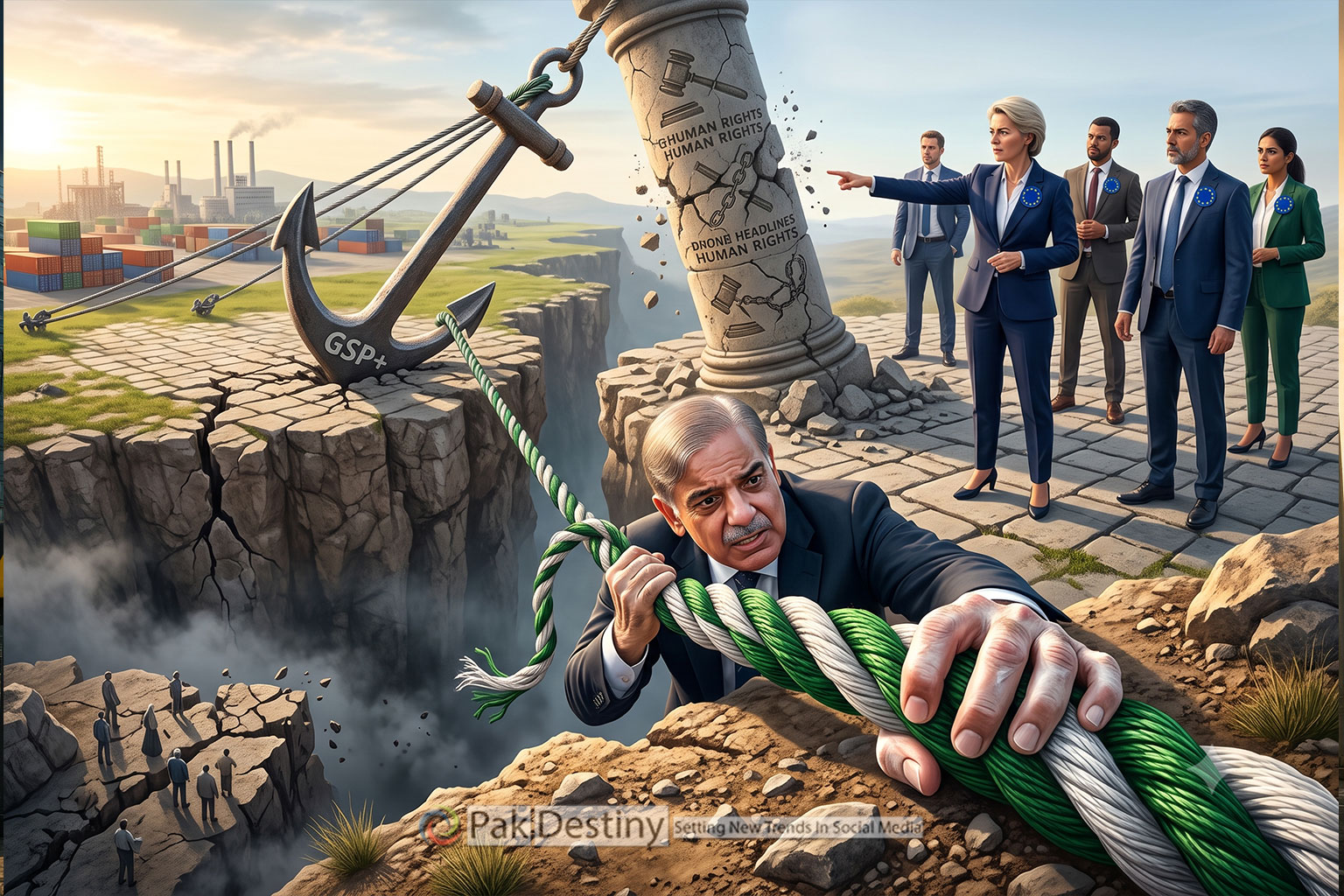
Despite these concerns, the Commission underscored the importance of GSP+ to Pakistan’s economy. The EU remains Pakistan’s largest export destination, accounting for 28 per cent of total exports, with textiles and garments making up around three-quarters of shipments. Pakistan received an estimated €732 million in tariff preferences in 2024 alone, while around 95pc of eligible exports utilised GSP+ benefits.
The report said Pakistan’s compliance with international commitments on labour rights, environmental protection, climate action and good governance would remain under close scrutiny when the revised GSP+ framework comes into force in 2027.