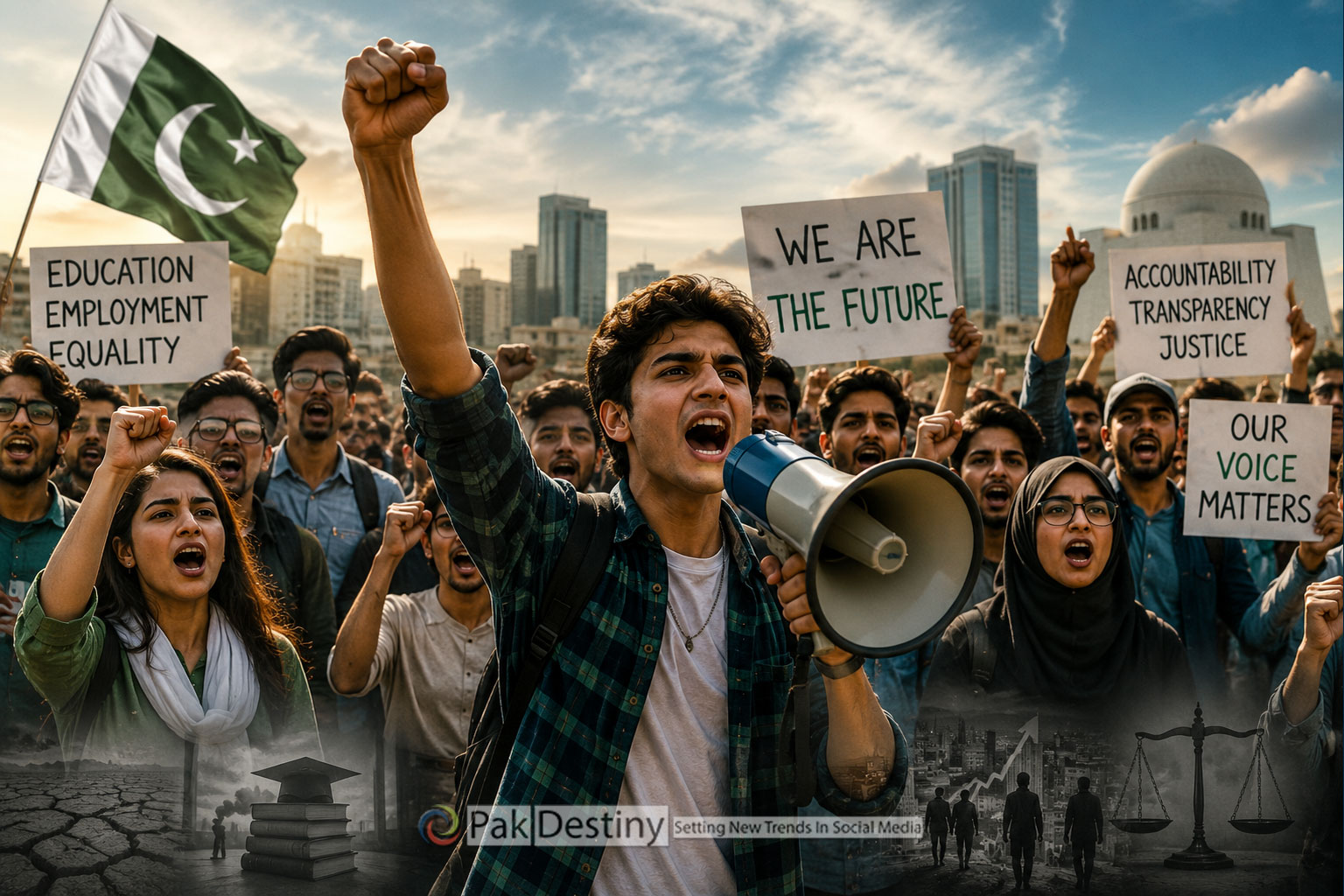
–From India to Sri Lanka, youth-led movements have exposed the fragility of authoritarian politics
— Pakistan’s huge young population, rising unemployment and shrinking democratic space could make it the next testing ground
By Zahid Hussain
India’s Gen Z protests have evolved into a broader democratic movement, drawing support from other sections of society and posing the most serious challenge to the Modi government in its 12 years in power. The protests have exposed a fault line in an increasingly hard-line Hindu nationalist administration accused of steadily eroding the secular character of Indian democracy.
The demonstrations even forced the federal education minister to resign, dealing a humiliating blow to Prime Minister Narendra Modi’s strongman image. Although the protests have been called off, they have shaken an increasingly authoritarian political order.
The Gen Z movement has also upended India’s political landscape. Young people rallied around a new political formation, the Cockroach Janta Party (CJP), which emerged only months ago following an insulting remark about the youth by India’s chief justice. What began as a platform promising to fight injustice and defend democratic rights soon developed into a formidable challenger to the right-wing Hindu nationalist government.
While the CJP-led protests focused initially on examination paper leaks and a decaying education system, it was unemployment and restrictions on democratic freedoms that truly galvanised young people.
The movement also highlighted the growing influence of social media as an alternative source of information in a country where mainstream media is increasingly seen as controlled and submissive. Social platforms have enabled young Indians to organise and mobilise outside what is often derisively called the ‘Godi’ media.
India’s Gen Z movement may not have reached the intensity of the youth uprisings in Bangladesh, Nepal and Sri Lanka, but the parallels are striking.
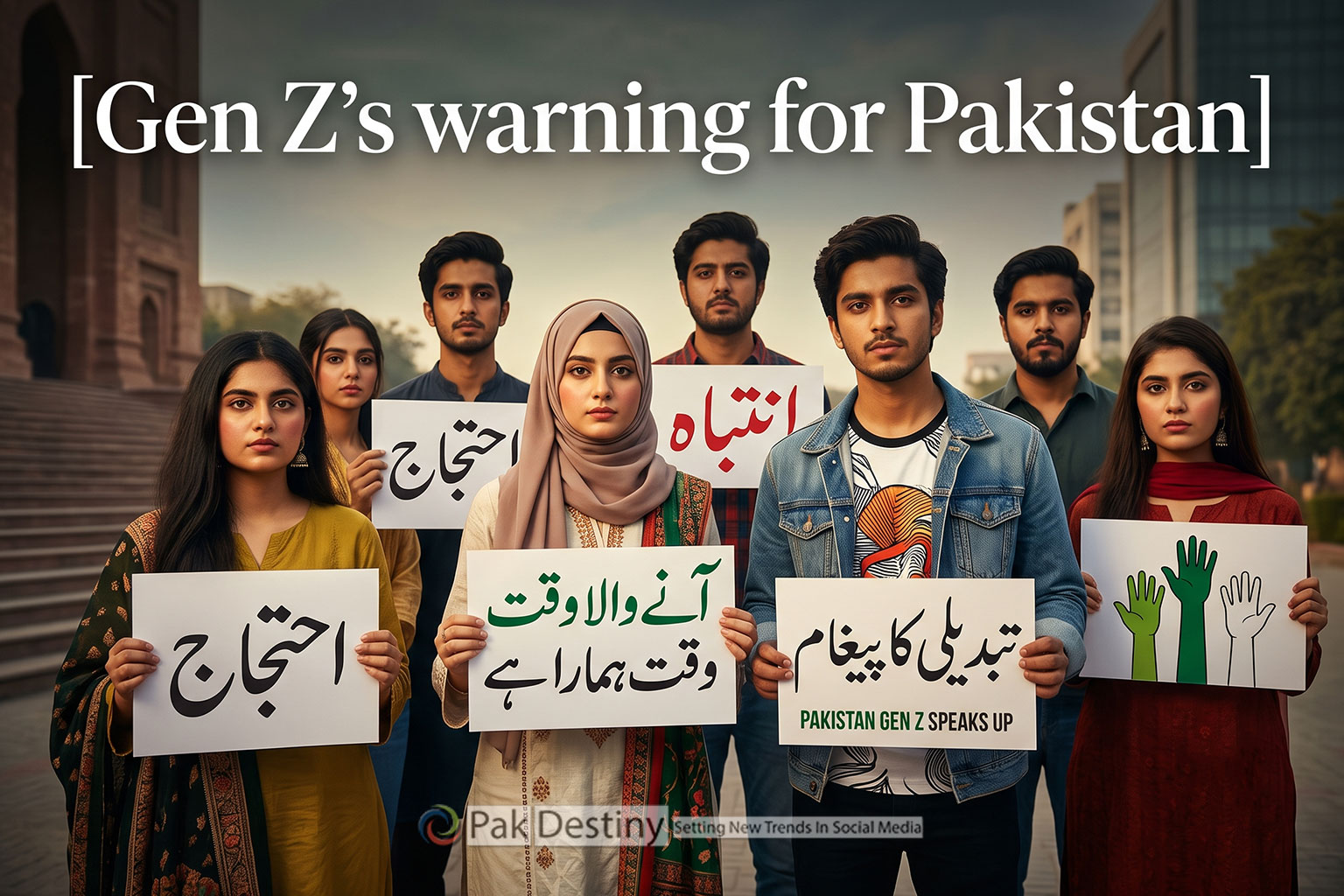
Pakistan’s Gen Z — broadly defined as those born between 1997 and 2012 — is estimated to number nearly 70 million.
In Bangladesh, protests initially erupted over an unfair job-quota system favouring the children of ruling-party members before expanding into a nationwide uprising against an authoritarian government that had effectively established one-party rule. The use of force against protesters, killing hundreds, further intensified public anger. The movement ultimately forced Sheikh Hasina to flee the country and paved the way for a change in government.
Sri Lanka’s Aragalaya — meaning ‘the struggle’ — was another dramatic example of popular mobilisation. Unlike Bangladesh, Nepal and India, where a specific issue acted as a catalyst, Sri Lanka’s uprising followed years of economic mismanagement under a powerful political dynasty. Inflation, unemployment and economic hardship eventually turned public frustration into a mass movement.
The experiences of these four South Asian countries offer an important lesson for Pakistan, which has a huge youth population and faces a combination of political instability, economic distress and shrinking democratic space.
Pakistan’s Gen Z — broadly defined as those born between 1997 and 2012 — is estimated to number nearly 70 million. This demographic reality carries profound implications for a country where fundamental rights are increasingly contested, media freedoms are under pressure and unemployment remains a major concern.
A potentially valuable demographic dividend could instead become a demographic catastrophe if the country fails to provide its young population with jobs, education, political participation and basic freedoms.
Pakistan is already struggling near the bottom of South Asia’s human-development rankings. The legitimacy of the political order is increasingly being questioned in several parts of the country, while dependence on external financial assistance continues to constrain economic autonomy.
Inflation, unemployment and political repression have combined to create a volatile environment.
The lesson from the region is clear: youth movements may begin with a single grievance, but when that grievance intersects with economic hardship, political exclusion and restrictions on freedom, it can quickly become something much bigger.
Pakistan’s young population could become its greatest demographic asset — or, if its aspirations remain unaddressed, its most potent source of political upheaval.