— If young people “get united”, they can turn everything upside down in Pakistan
By Zulqernain
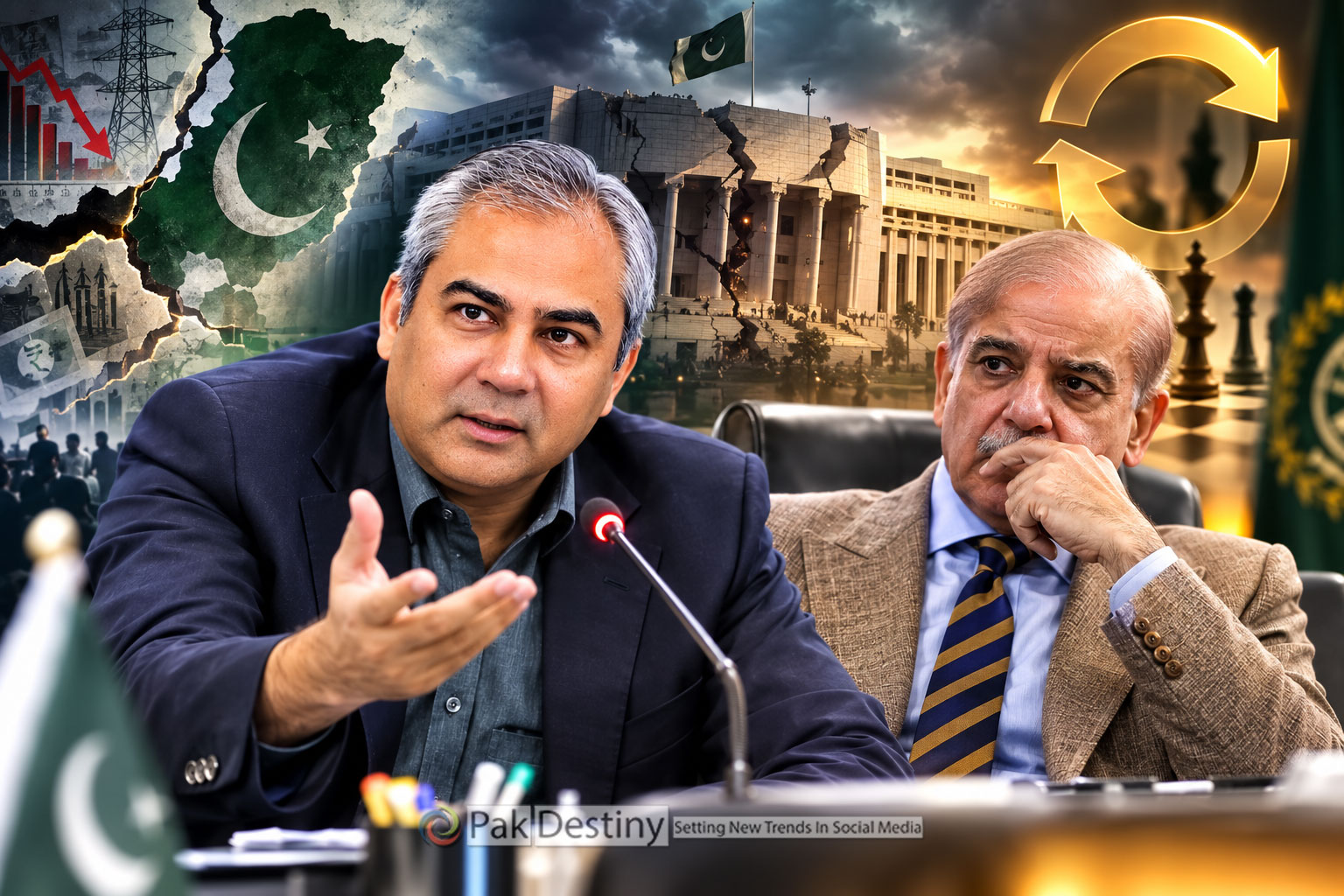
Interior Minister Mohsin Naqvi’s unusually blunt assessment that Pakistan’s existing governance system had “collapsed”, coupled with his call for new administrative units and “new leadership”, has injected a fresh element into the debate over the future of the Shehbaz Sharif government.
Speaking at the Pakistan Economic Summit 2026 on Thursday, Mr Naqvi did not call for the federal government to step down, nor did he announce any impending political change. But his remarks went considerably beyond the routine criticism of governance, as he argued that the country could not improve unless its basic political and administrative structure was changed.
محسن نقوی نے صاف صاف تسلیم کر لیا ہے کہ یہ نظام کیلیپس کر چکا ہے۔
— Sabee Kazmi (@SabeeKazmi786) July 30, 2026
ایک ایس ایچ سے امن کے بعد ان کا جمہوری فارمولا سمجھ لیں دنیا تو ساری پاگل ہے جو ایک ہی فارمولے پر چلتی ہے عوام کی حکومت عوام کے زریعے عوام پر۔
اب جمہوریت نہیں ہوگی صرف ان والی جمہوریت ہوگی pic.twitter.com/RpNPgEfO4S
“Whether you agree or not, the system we have been living under has collapsed,” he said, arguing that merely continuing with the existing arrangement would not change the country’s circumstances.
He suggested that the question of creating new provinces or administrative units should be taken to the people, saying there was “only one solution” to improving the country’s overall condition: political parties would have to settle the issue and take it to the public.
یہ سسٹم collapse کر چکا ہے آپ مانیں یا نہ مانیں ! محسن نقوی ۔۔ pic.twitter.com/7kyRWtlN9T
— AMJAD KHAN (@iAmjadKhann) July 30, 2026
The comments acquire greater significance against the backdrop of growing tensions within the ruling coalition, particularly between the Pakistan Peoples Party and Muttahida Qaumi Movement-Pakistan over the latter’s demands for greater political and administrative empowerment of Karachi and implementation of a long-pending agreement with the PPP.
Earlier this month, MQM-P threatened a major protest movement if the federal government failed to ensure implementation of its 18-point agreement with the PPP.
تمام سیاسی جماعتوں کو ایک کمرے میں بیٹھنا پڑے گا، چاہے وہ ایک دن بیٹھیں، ایک مہینہ بیٹھیں یا ایک سال بیٹھیں، نئے صوبوں سے لے کر ایک ایک مسئلہ حل کرنا پڑے گا، جب تک اکٹھے نہیں بیٹھیں گے یہ ملک اسی حالت میں رہے گا۔ محسن نقوی pic.twitter.com/bMSS6n8aXT
— Ahmad Warraich (@ahmadwaraichh) July 30, 2026
The party specifically reminded Prime Minister Shehbaz Sharif that he was the guarantor of the arrangement.
The dispute is politically sensitive because the MQM-P and PPP are both allies of the PML-N-led federal government, but their positions on the future administrative map of Sindh are fundamentally opposed.
MQM-P has advocated a separate province for Karachi, while the PPP, which governs Sindh, has consistently resisted any move that could divide the province.
وہ شخص جو 20/20 گھنٹے جاگ کر ملک کے لیے نام لے کر آتا ہے میں اسے بھی کہوں گا کہ یہ فائر فائیٹنگ ہے جب تک آپ اس ملک کی بیسک چیزوں کو " جمہوریت " کی روح میں رہ کر ٹھیک نہیں کریں یہ ایسا ہی رہے گا ! محسن نقوی ۔۔ pic.twitter.com/z1n0LGXuID
— AMJAD KHAN (@iAmjadKhann) July 30, 2026
The question of new provinces also has implications beyond Sindh. Both the PPP and Pakistan Tehreek-i-Insaf have supported the creation of a South Punjab province, while demands for additional administrative units have periodically surfaced in other parts of the country.
Mr Naqvi’s remarks therefore touch upon one of the most politically explosive questions facing the federation: whether Pakistan’s governance crisis can be addressed within the existing four-province structure or whether a major restructuring of the state is required.
Says #Farm47 apologist https://t.co/QCiniU4PPv
— Ch Fawad Hussain (@fawadchaudhry) July 30, 2026
But his comments went further than the question of provinces.
He criticised the federal government’s fiscal model, saying budgets were prepared with deficits and the government then discussed how much additional debt it would have to contract. “We will take more debts, but we will not correct things,” he said.
He also dismissed the idea that short-term incentives could satisfy Pakistan’s increasingly assertive youth population, saying young people wanted merit-based employment opportunities and a “corrected system” rather than stipends and tablets.
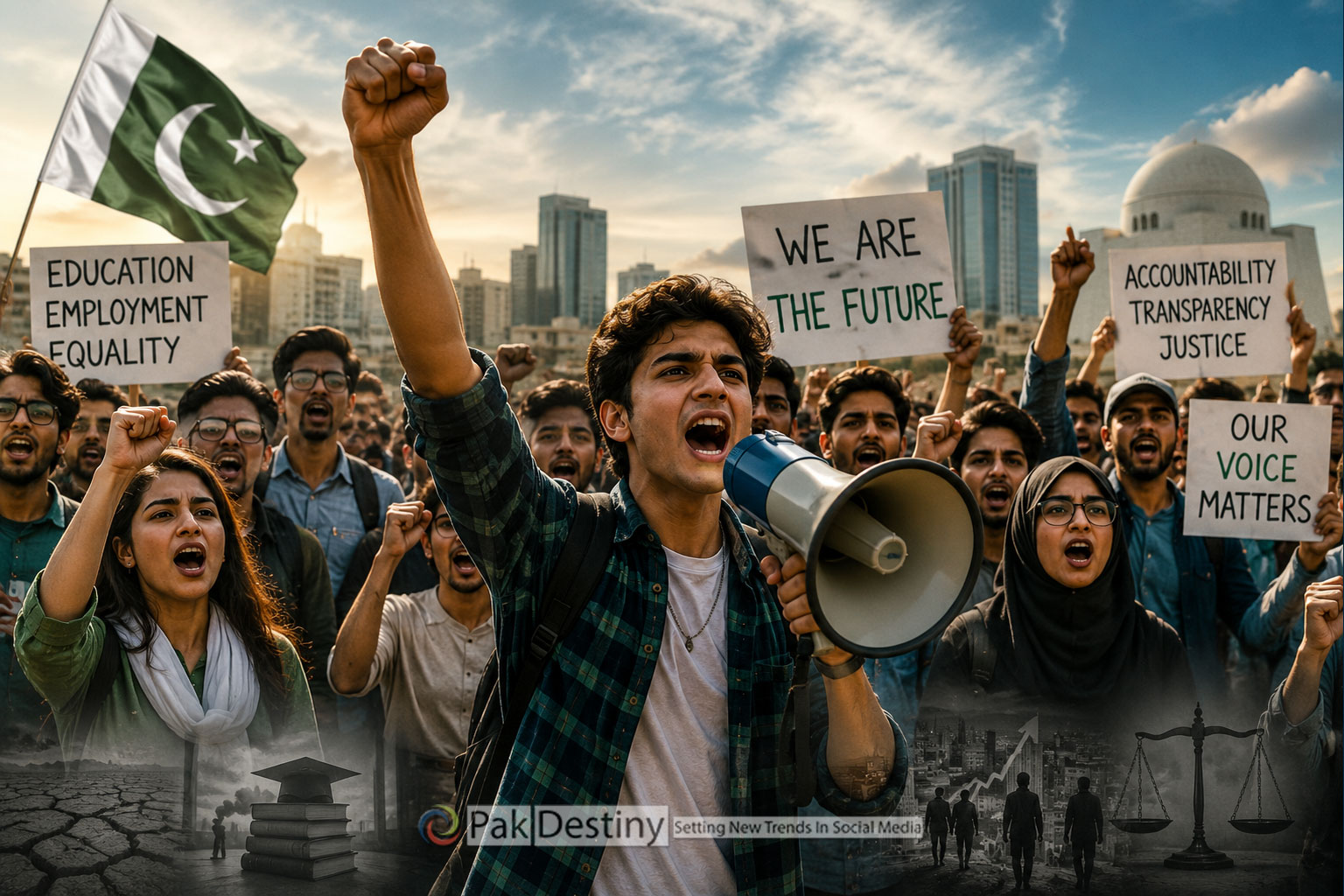
His remarks about Gen-Z were particularly striking. Referring to the expression “cockroaches”, which has been used in the wake of recent student protests in India, he quipped that if the young people “get united, they can turn everything upside down”.
For the Shehbaz government, the timing of the remarks is significant.
The coalition remains dependent on cooperation between the PML-N, PPP, MQM-P and other partners. The government has continued to publicly describe PPP and MQM-P as important coalition partners. As recently as May, Prime Minister Shehbaz Sharif said MQM-P was an important coalition partner and expressed support for its initiatives.
There is therefore no publicly established evidence that the government is about to be dismissed or that a replacement administration is already being negotiated.
Yet Mr Naqvi’s language raises a different question: is the political debate moving from changing governments to changing the system itself?
His assertion that Pakistan’s diplomatic successes amount largely to “firefighting” and that fundamental problems will persist until the country’s “basics” are corrected suggests dissatisfaction with the status quo that goes beyond the performance of any single ministry.
His call for new administrative units and “new leadership” could also be read as an argument for decentralisation and political renewal. “Unless units are made and they take ownership, and a new leadership comes, this will not happen,” he said.
That formulation is likely to attract political attention because the creation of new provinces would require constitutional amendments and, in several cases, the consent of provincial legislatures. It would consequently require agreement among parties that currently have competing interests in Punjab, Sindh and other provinces.
For the opposition, however, Mr Naqvi’s remarks could provide fresh ammunition against the government. The minister himself effectively acknowledged that the present system was failing to deliver the most basic expectations of citizens: affordable necessities, access to government and opportunities based on merit.
The central political question, therefore, may not immediately be whether Shehbaz Sharif is being sent home.
It may be whether the political establishment believes that the existing coalition arrangement has reached the limits of what it can deliver — and whether a broader restructuring, involving administrative decentralisation, new political leadership or even a new governing arrangement, is being contemplated.
At present, the evidence points to political pressure and dissatisfaction rather than an imminent change of government. But when a senior federal minister publicly describes the existing system as having “collapsed” and calls for new administrative units and new leadership, the remarks inevitably invite speculation about what kind of political reset could follow.
For a government whose principal justification has been stability, continuity and economic management, the most uncomfortable implication of Mr Naqvi’s speech may be that continuity itself is no longer being presented as the solution.
I would avoid “Shehbaz government to be sent packing” as the headline unless there is concrete evidence of a move to replace the government. The more defensible Dawn angle is “political reset” / “systemic change”, with the possibility of a government change presented as a question rather than an established fact.