— Naqvi believes the current system is not working, then the first thing he should do is resign instead of continuing to be part of what he himself considers a failed system
–If the same dysfunctional system is simply replicated in smaller provinces, what meaningful difference will it make to the lives of ordinary people?
By Irum Saleem
Interior Minister Mohsin Naqvi’s call for a national debate on creating new provinces or administrative units has triggered an intense political discussion, with leaders across the ruling coalition privately weighing the implications of remarks that have reopened one of Pakistan’s most contentious constitutional questions.
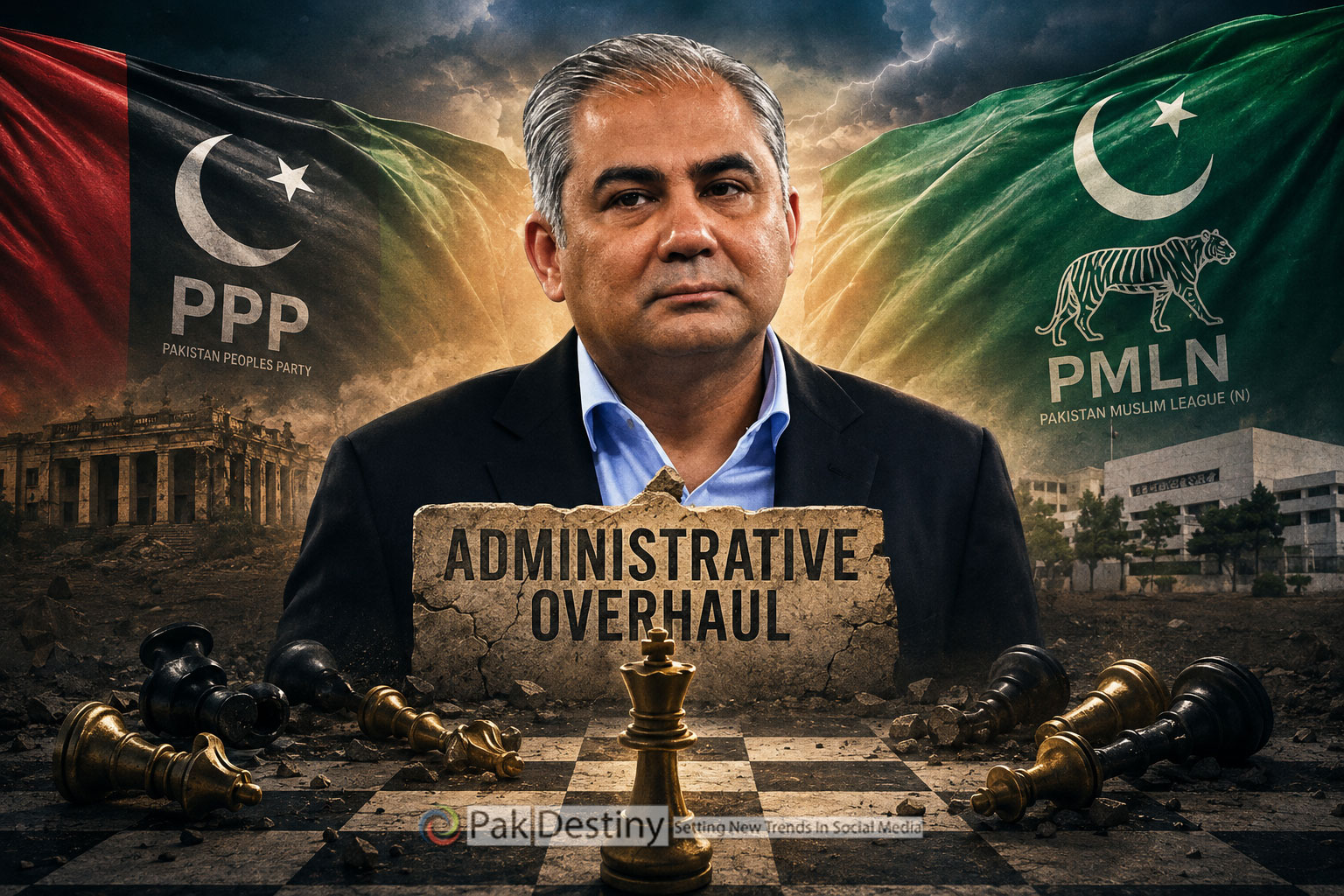
Addressing the Pakistan Economic Summit this week, Mr Naqvi argued that Pakistan’s existing administrative structure had failed to deliver effective governance and maintained that meaningful reforms would require revisiting the country’s provincial and administrative framework.
اگر محسن نقوی صاحب کو لگتا ہے کہ یہ نظام کام نہیں کر رہا تو سب سے پہلے انہیں خود اس ناکام نظام کا حصہ ہونے پر مزید وقت ضائع کیے بغیر اپنا استعفیٰ دے دینا چاہیے۔
— Benazir Shah (@Benazir_Shah) July 31, 2026
جہاں تک نئے صوبوں کا تعلق ہے، نظریاتی طور پر یہ خیال اچھا ہے، لیکن اس بات کی کیا ضمانت ہے کہ اس سے واقعی طرزِ حکمرانی… https://t.co/UdXWRNOraf
“There is only one solution,” he said, urging political parties to take the issue of administrative units or new provinces to the people and evolve a national consensus.
The remarks, unusually candid for a serving interior minister, have generated debate not only over the future administrative structure of the federation but also over their political timing, as the coalition government is already facing growing friction between its two principal allies — the Pakistan Muslim League-Nawaz (PML-N) and the Pakistan Peoples Party (PPP).
Naqvi’s statement was also discussed at the highest level during Prime Minister Shehbaz Sharif’s meeting with PML-N President Nawaz Sharif at Raiwind on Saturday.
The source said the party leadership viewed the remarks as politically significant because any move towards creating new provinces would inevitably require broad constitutional consensus and could reshape the country’s political landscape.
The Prime Minister’s Office, however, merely said the participants discussed the country’s overall political situation and did not disclose whether administrative reforms figured in the deliberations.
The debate has surfaced at a delicate political moment.
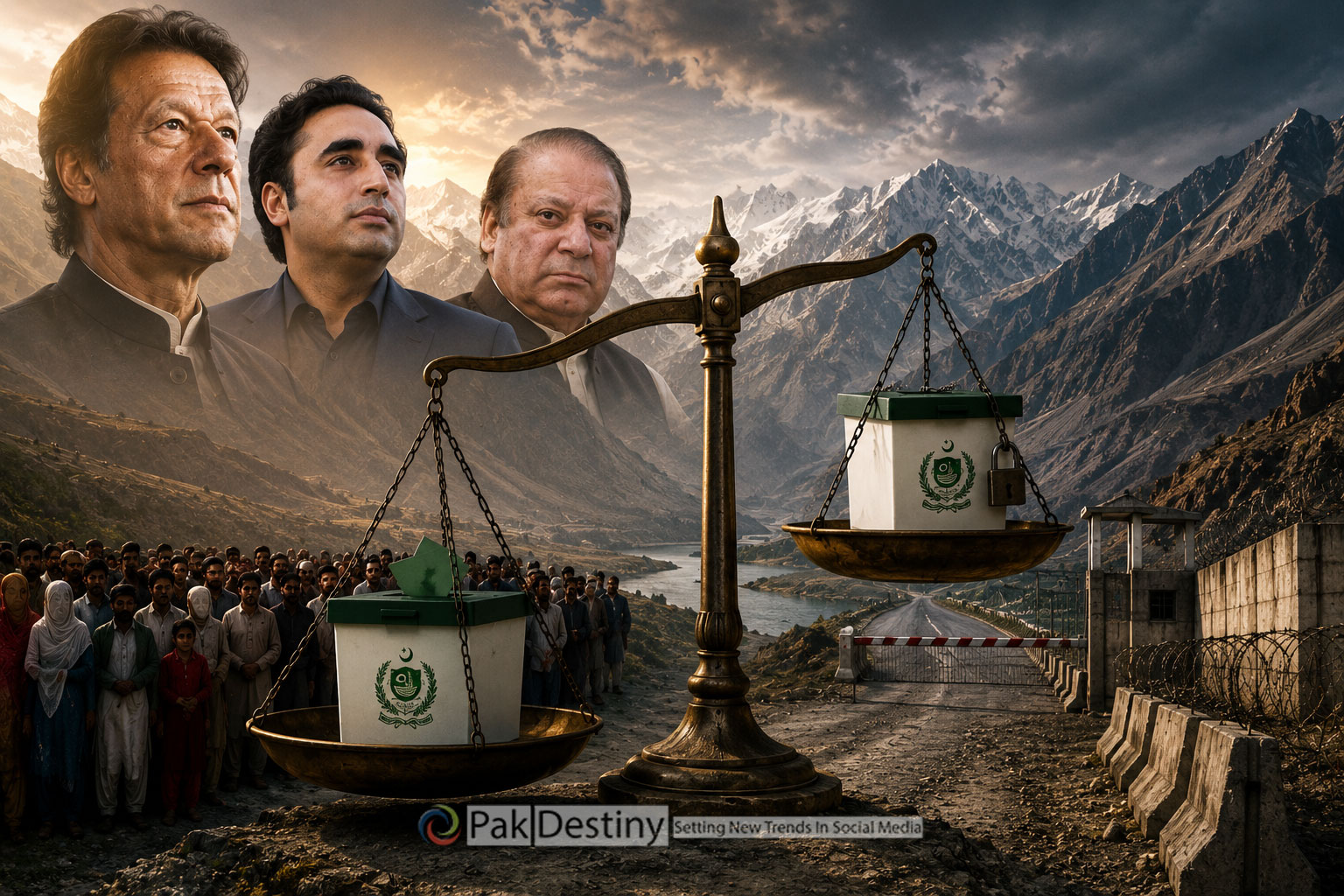
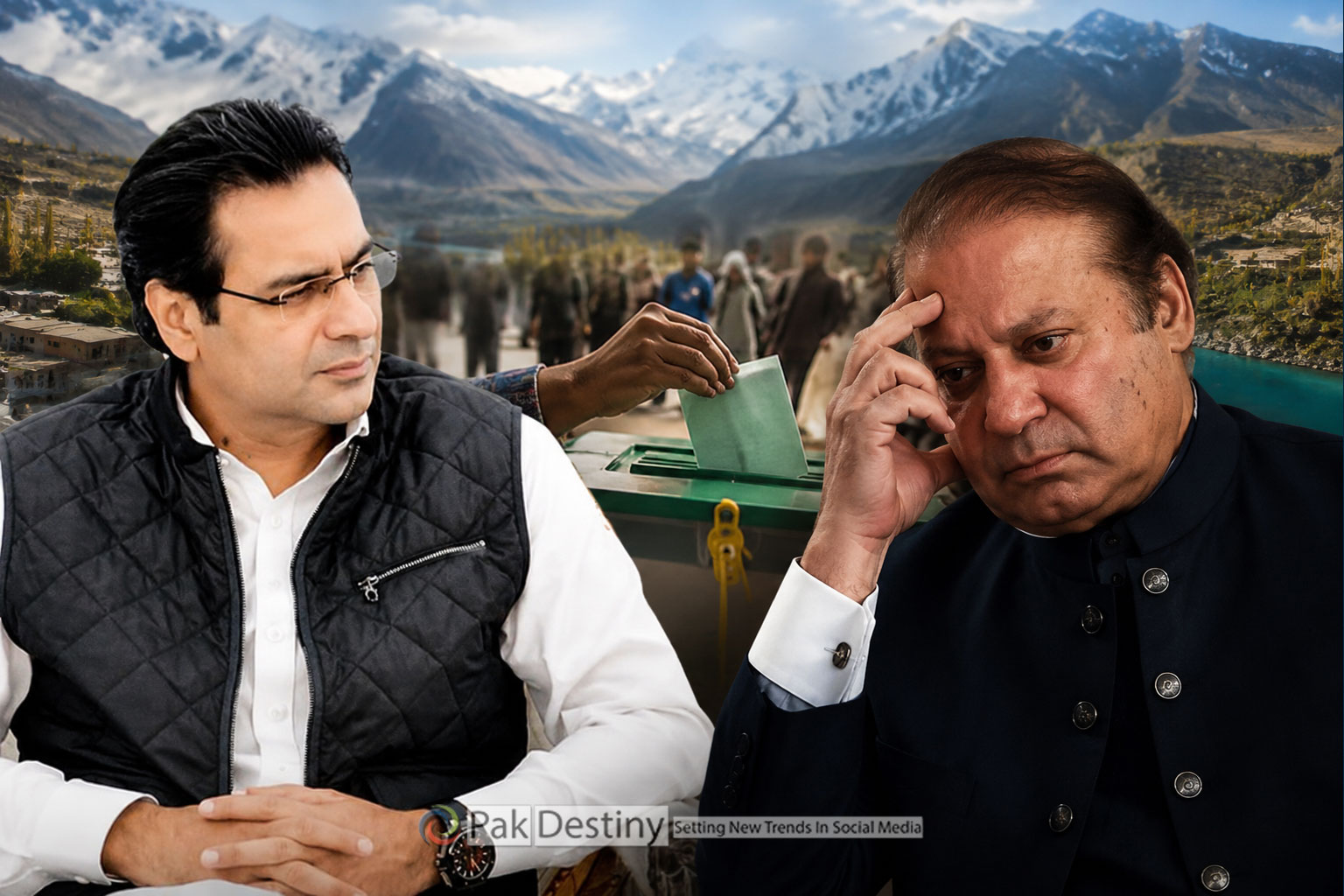
The ruling alliance is already under strain after PPP Chairman Bilawal Bhutto-Zardari accused the PML-N of manipulating the first phase of the Azad Jammu and Kashmir elections and warned that his party could reconsider its support for the federal government if the remaining phases of the polls were not conducted fairly.
Political observers believe reopening the debate on administrative restructuring has added another layer of complexity to an already fragile political environment.
The proposal has historically divided mainstream political parties. While the PML-N has at different times supported the idea of improving administrative efficiency, it has generally remained cautious about reopening the constitutional debate over provincial boundaries without broad political consensus.
The PPP, meanwhile, has traditionally opposed attempts that could dilute the constitutional status of the provinces created under the 18th Amendment, arguing that Pakistan’s governance problems stem from weak institutions and poor implementation rather than the size or number of provinces.
Opposition parties also reacted sharply to Naqvi’s remarks.
Pakistan Tehreek-i-Insaf criticised the interior minister’s assessment of the system, arguing that if he genuinely believed the existing governance model had failed, he should first resign instead of continuing to serve within what he himself described as a dysfunctional system.
PTI leaders also questioned whether merely creating smaller provinces would improve governance if the same administrative and political practices remained unchanged.
Constitutional experts note that the creation of new provinces would require amendments to the Constitution, approval by Parliament and, in cases involving alteration of provincial boundaries, the consent of the affected provincial assemblies — making it one of the most politically sensitive reforms under discussion.
While no formal proposal has yet been placed before Parliament, Naqvi’s remarks have succeeded in reviving a debate that successive governments have largely avoided, leaving both coalition partners to carefully assess the political costs and constitutional implications of any move towards administrative restructuring.