By Irum Saleem
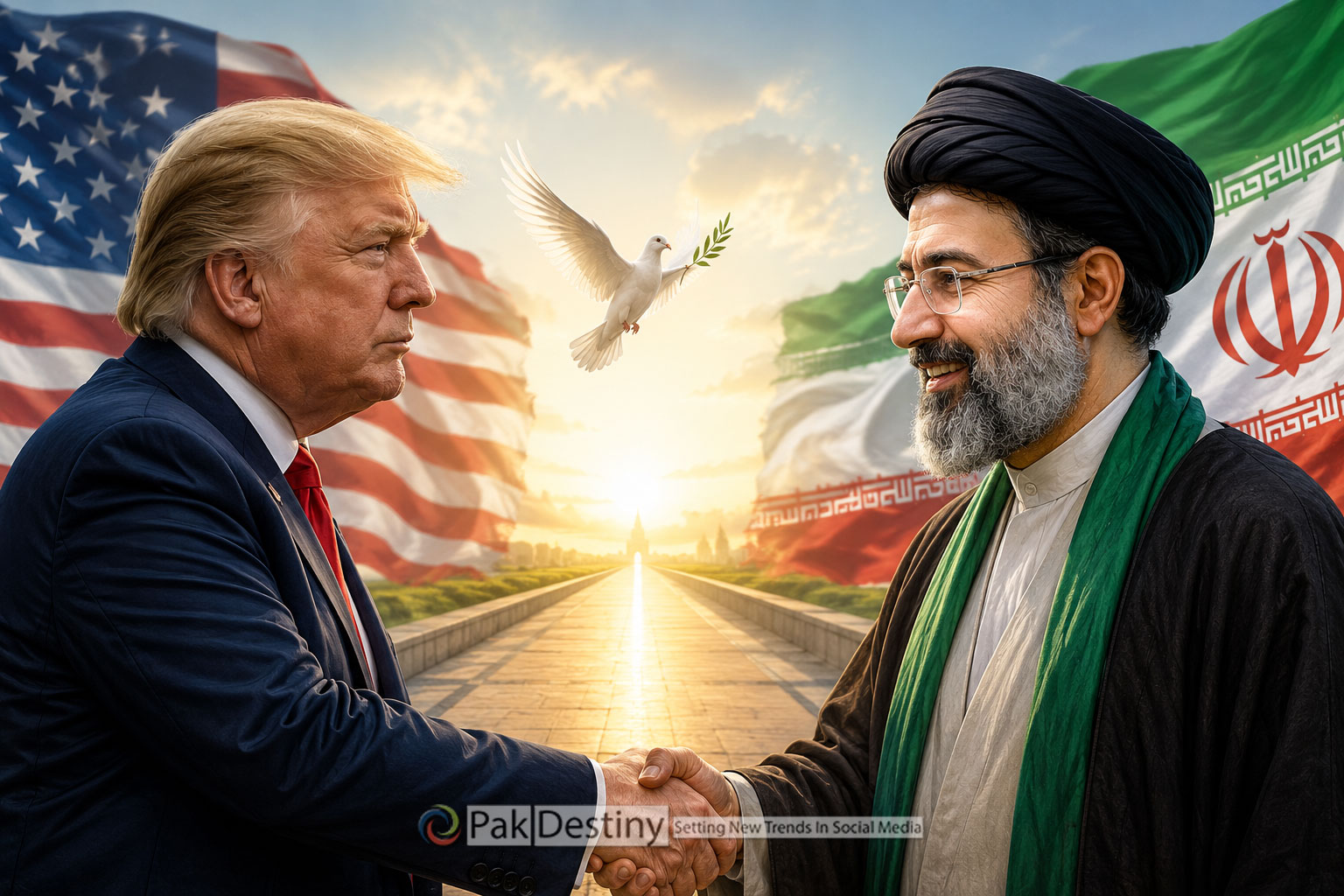
After months of military confrontation, diplomatic brinkmanship and fears of a wider regional war, the United States and Iran appear closer than they have been in years to a formal agreement aimed at ending hostilities and opening the door to broader negotiations.
The preliminary accord, expected to be formally signed in Switzerland on Friday, would not resolve all outstanding disputes between Washington and Tehran. However, it could become the most significant diplomatic breakthrough between the two adversaries since the collapse of the 2015 nuclear deal.
According to draft details that have emerged, the agreement focuses primarily on ending military operations, reopening the Strait of Hormuz, easing restrictions on Iranian ports and launching a 60-day negotiating process to address more contentious issues, including Iran’s nuclear programme and sanctions relief.
The proposed framework reportedly includes an immediate ceasefire, commitments to respect sovereignty, phased sanctions relief and the creation of mechanisms to monitor compliance. Iran has also reiterated that it will not pursue nuclear weapons, while both sides would maintain the status quo on nuclear activities during the next round of talks.
President Donald Trump has described the deal as “complete”, while Iranian officials have cautiously welcomed the framework, stressing that broader negotiations remain ahead. The formal signing ceremony is expected to take place on Friday, although reports suggest some elements may already have been agreed electronically.
At the heart of the agreement lies the Strait of Hormuz, through which a substantial portion of the world’s oil exports pass. The reopening of the strategic waterway has already calmed energy markets, with oil prices falling on expectations that regional shipping routes will remain operational.
Yet the most difficult questions remain unresolved.
The future of Iran’s uranium enrichment programme, the fate of its enriched uranium stockpile, the scope of sanctions relief and Tehran’s regional influence are expected to dominate negotiations during the proposed 60-day period. US officials insist that any major economic benefits for Iran will depend on verifiable compliance with future commitments.
For Iran, the agreement offers a potential pathway to restoring oil exports, accessing frozen assets and securing relief from years of economic pressure.
For Washington, the deal provides an opportunity to avoid a prolonged conflict while seeking stronger guarantees against Iranian nuclear ambitions.
The accord also carries broader geopolitical significance. European governments, Gulf states and regional actors have largely welcomed the breakthrough, viewing it as an opportunity to reduce tensions that have repeatedly threatened global energy supplies and regional stability.
Whether Friday’s ceremony ultimately marks the beginning of a lasting settlement or merely a temporary pause in a decades-long rivalry will depend on what follows during the next two months of negotiations.
For now, however, Washington and Tehran appear closer to diplomacy than confrontation — a development that could reshape the political and economic landscape of the Middle East.