By Raza Ruman
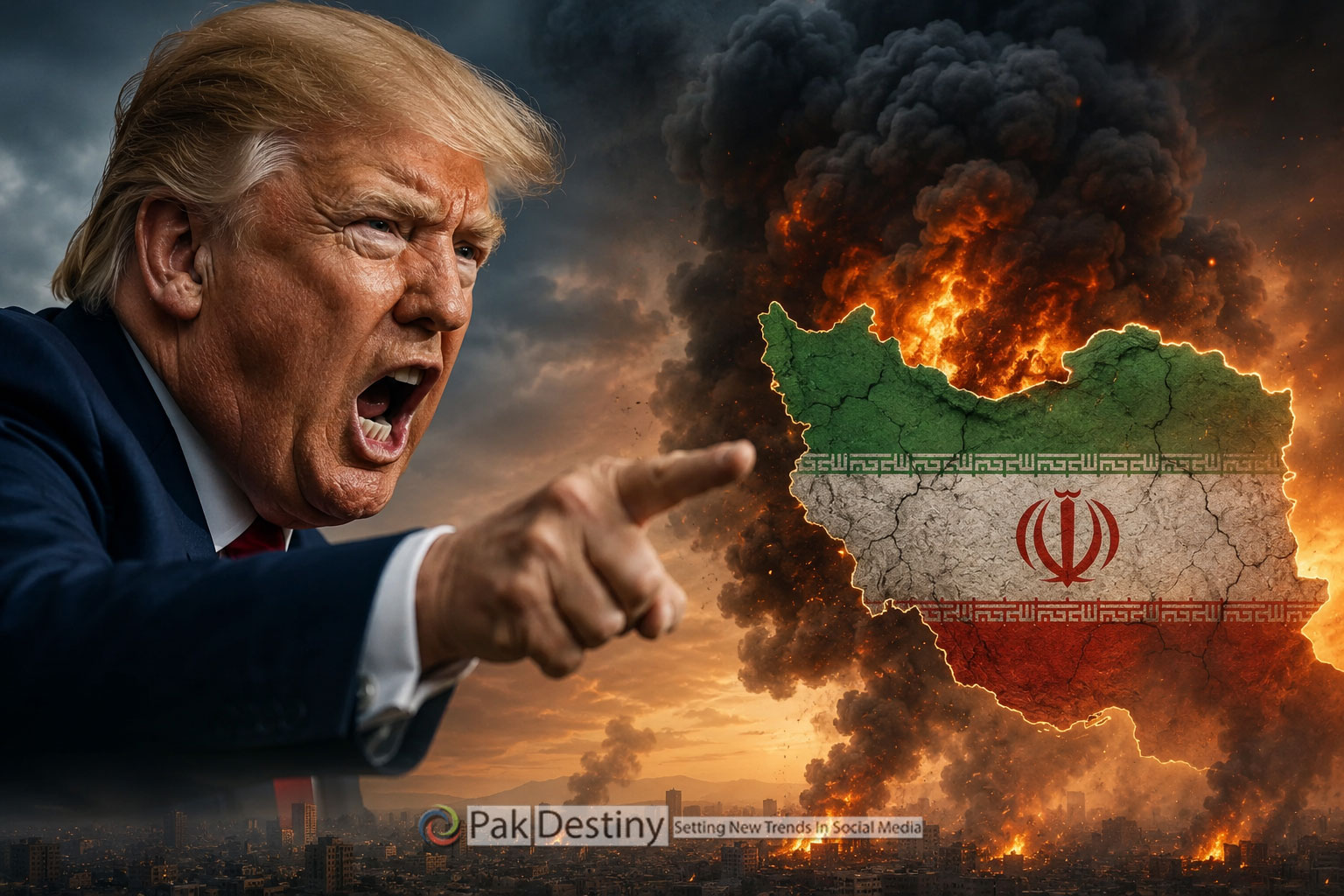
U.S. President Donald Trump on Wednesday dramatically hardened his stance towards Iran, declaring that Tehran had taken “too long” to negotiate and would now “pay the price”, remarks that underscored growing frustration in Washington and cast fresh doubt on efforts to secure a diplomatic breakthrough in one of the Middle East’s most volatile confrontations.
The unusually blunt warning came after a fresh exchange of military strikes between the United States and Iran, marking one of the most serious escalations since the two sides agreed to a ceasefire framework earlier this year. The latest flare-up has exposed the fragility of ongoing diplomatic efforts and highlighted the widening gap between public threats and behind-the-scenes negotiations.
“Iran is all talk and no action,” Mr Trump wrote on his Truth Social platform. “They’ve taken too long to negotiate a deal that would have been great for them, now they will have to pay the price.”
The comments represented a notable shift in tone from the U.S. president, who only days earlier had expressed optimism that an agreement could be reached within a matter of days. Diplomatic sources have indicated that mediators, particularly from Qatar, remain engaged in efforts to salvage negotiations and prevent the crisis from spiralling into a broader regional conflict.
From optimism to threats
Trump’s latest remarks reflect mounting impatience within the White House over what officials view as Tehran’s reluctance to make concessions despite months of indirect negotiations.
The president’s criticism came amid reports that Qatari negotiators travelled to Tehran on Wednesday in an effort to advance discussions after consultations with U.S. officials.
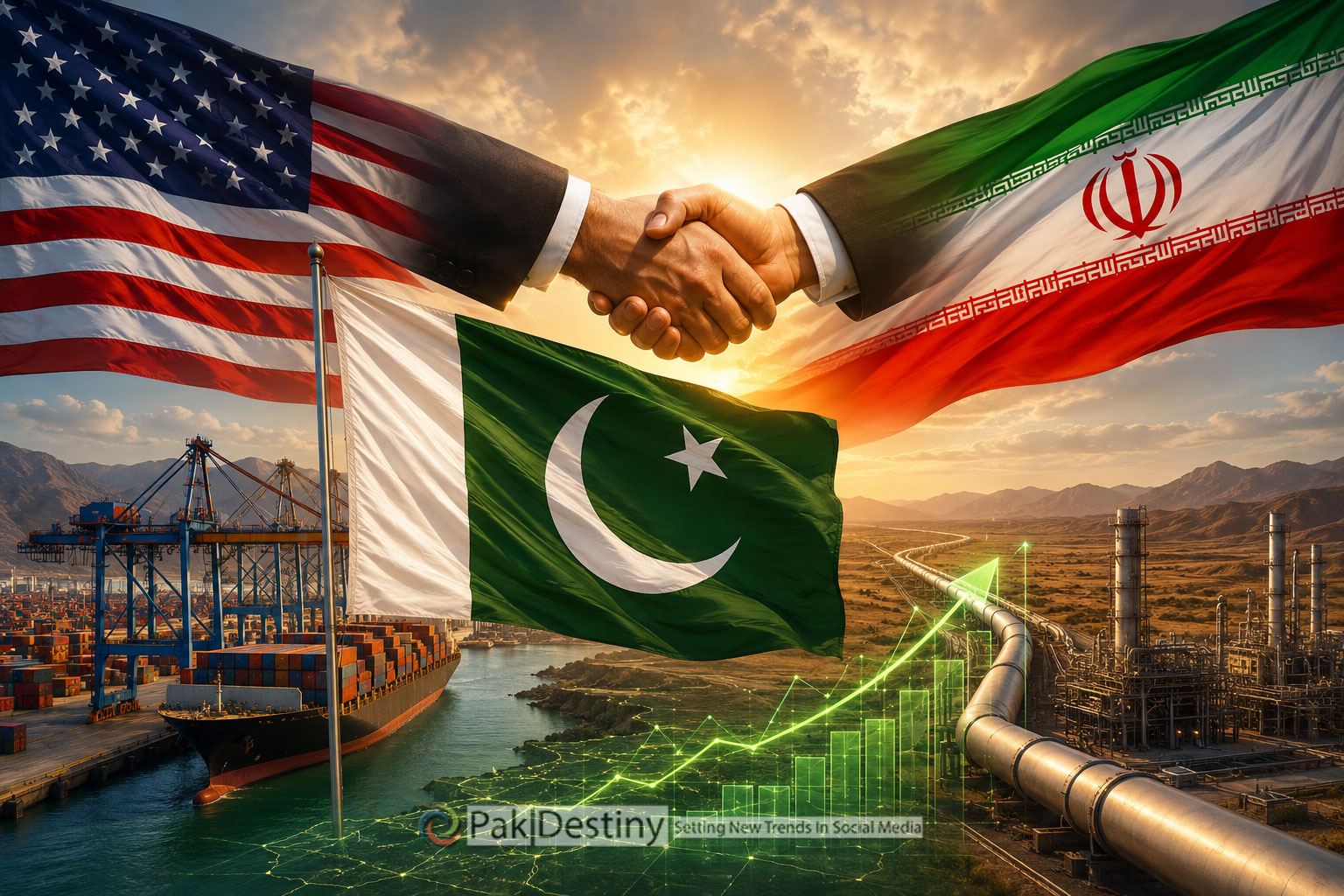
The diplomatic activity suggested that, despite the increasingly confrontational rhetoric, channels of communication remain open.
Analysts say the contradiction between continued mediation efforts and Trump’s increasingly forceful statements illustrates the administration’s dual-track approach of combining military pressure with diplomacy.
Escalation on the battlefield
The latest crisis erupted after Washington accused Iran of being responsible for the downing of a U.S. Apache helicopter near the Strait of Hormuz.
The incident prompted American strikes against Iranian military targets, including air defence and radar installations. Iran subsequently launched missile and drone attacks against U.S. military facilities in Jordan, Kuwait and Bahrain, describing them as retaliatory measures.
Although U.S. officials reported no major casualties and several projectiles were intercepted, the exchanges significantly heightened tensions across the Gulf region and raised fears of a broader confrontation involving multiple regional actors.
The Strait of Hormuz, through which a substantial portion of the world’s oil supplies pass, has once again become the focal point of international concern as military activity intensifies around one of the world’s most strategically important waterways.
Threat of further action
Trump further fuelled concerns by signalling that additional military action could be under consideration if Iran continues to resist American demands.
According to U.S. media reports, the president suggested that key Iranian infrastructure could become potential targets in future operations. Such statements have alarmed legal experts and diplomats, who warn that attacks on civilian infrastructure could have severe humanitarian consequences and provoke an even stronger Iranian response.
Iranian officials, meanwhile, have indicated that Tehran may reassess its diplomatic engagement with Washington following the latest military exchanges, raising questions about whether negotiations can survive the current escalation.
Financial markets responded swiftly to Trump’s remarks and the deteriorating security situation.
Oil prices climbed sharply amid fears that renewed conflict could disrupt energy supplies from the Gulf. Brent crude rose above $92 a barrel as traders factored in the growing risk of supply disruptions and instability around the Strait of Hormuz.
Investors also moved cautiously in global equity markets, concerned that a prolonged confrontation between Washington and Tehran could deepen economic uncertainty and place additional pressure on already fragile energy markets.
Diplomacy still alive
Despite the warlike rhetoric, diplomats involved in the process insist that negotiations have not collapsed.
Regional mediators continue to shuttle between the two sides in an effort to prevent further escalation. However, Trump’s warning that Iran will now “pay the price” has raised doubts about whether the political space for compromise still exists.
For now, the crisis appears caught between diplomacy and confrontation. While negotiators struggle to keep talks alive, military exchanges and increasingly hostile rhetoric from both sides threaten to push the region closer to another dangerous phase of conflict.