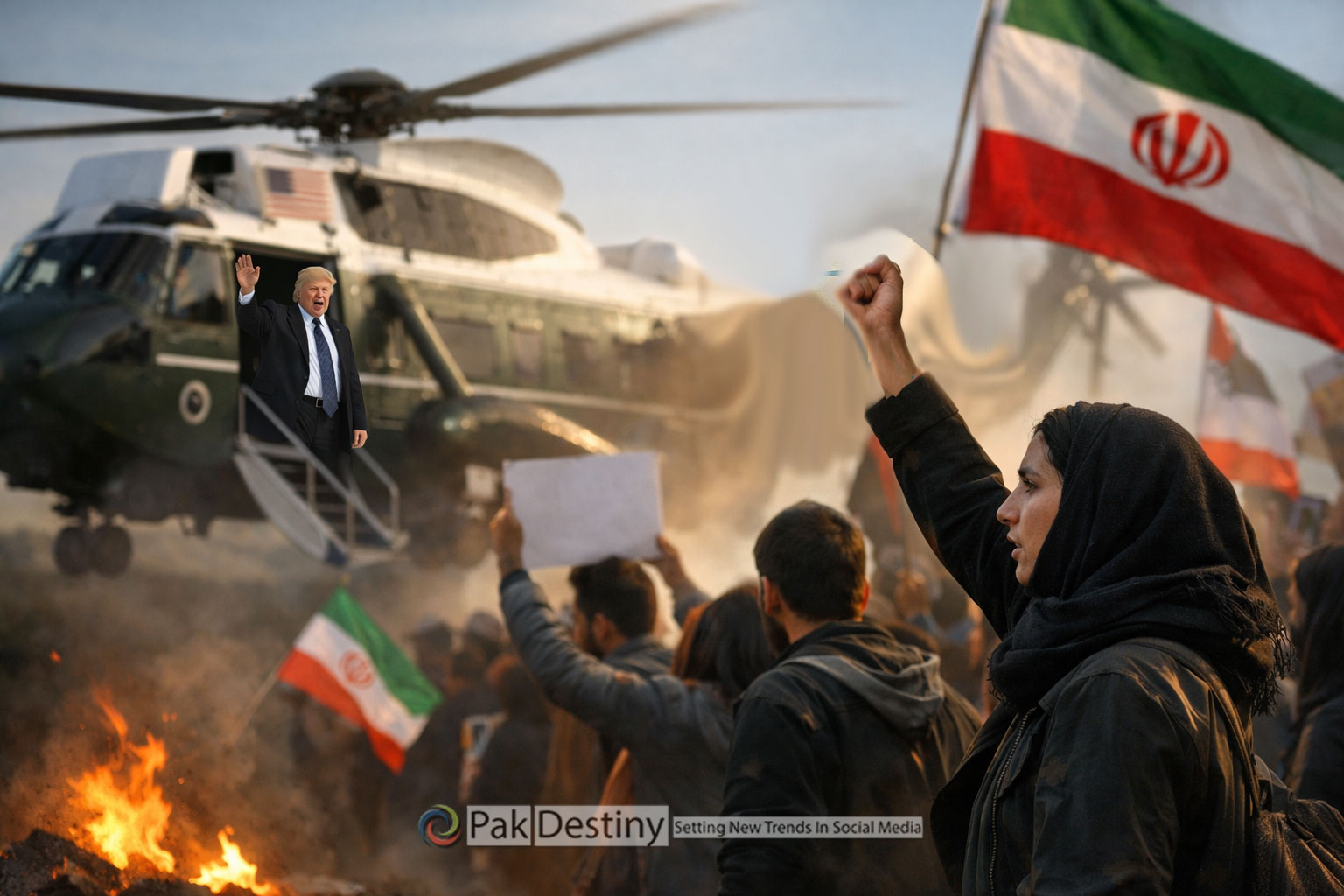
— While Washington pushes diplomacy and lawmakers seek greater oversight, Tehran views the truce as a tactical pause to secure sanctions relief, preserve its nuclear programme and avoid appearing weak
By Raza Ruman
A tenuous ceasefire between the United States and Iran is facing renewed strain as fresh military incidents in the Gulf coincide with growing opposition in the US Congress to President Donald Trump’s handling of the conflict.
The latest test of the truce came after reports of Iranian missile and drone activity targeting US-linked facilities in the Gulf region, prompting American military responses and raising fears that the months-long conflict could again spiral into wider confrontation.
Despite the incidents, both Washington and Tehran continue to signal interest in negotiations aimed at transforming the temporary ceasefire into a broader political settlement.
The conflict, which erupted following US and Israeli strikes on Iran earlier this year, has left thousands dead, disrupted regional trade and triggered repeated crises around the Strait of Hormuz, a key artery for global energy supplies.
Diplomatic efforts brokered largely through Pakistan have produced a series of temporary ceasefire arrangements, but implementation has remained uneven.
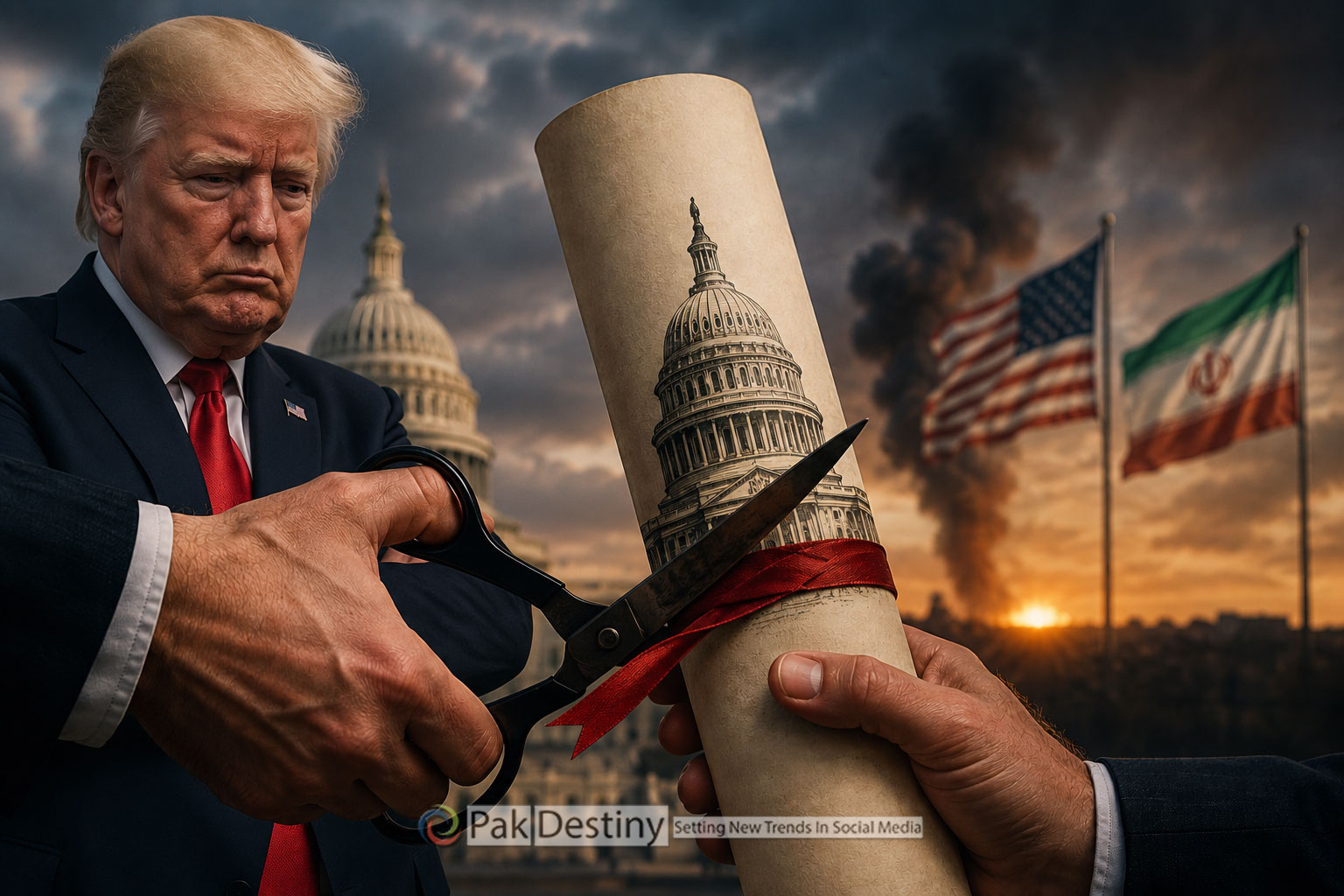
In Washington, political pressure on the White House intensified this week when the House of Representatives approved a War Powers Resolution seeking to restrict the administration’s ability to continue military operations against Iran without explicit congressional authorisation.
The measure passed by a narrow bipartisan margin, reflecting growing unease among lawmakers over the costs, risks and constitutional implications of the conflict.
Although the resolution is unlikely to immediately halt military operations, it represents one of the strongest congressional challenges to the administration’s Iran policy.
Several lawmakers argued that the conflict has exceeded the limits envisioned under US war powers legislation and warned that continued hostilities could drag the country into a prolonged regional war.
Senior administration officials, however, maintain that diplomacy remains the preferred path. Secretary of State Marco Rubio recently indicated that Iran has shown willingness to discuss aspects of its nuclear programme that it had previously refused to negotiate, suggesting that back-channel talks remain active despite public tensions.
What is on Iran’s mind?
For Tehran, the ceasefire is viewed less as a peace agreement and more as a tactical pause.
Iranian leaders continue to insist that sanctions relief, restoration of oil exports and guarantees against future military attacks are essential components of any lasting settlement. Iranian officials have also repeatedly signalled that they will not accept major restrictions on uranium enrichment or surrender what they regard as the country’s sovereign right to maintain its nuclear programme.
At the same time, Iran’s leadership remains deeply sceptical of American intentions. Senior political and military figures have publicly questioned whether Washington can be trusted to honour any agreement, pointing to previous disputes and what they describe as repeated violations of understandings reached during earlier rounds of talks.
Recent remarks attributed to Iran’s Supreme Leader also underscore a broader strategic calculation.
While Tehran appears willing to negotiate, it does not want negotiations to be interpreted domestically or regionally as a sign of weakness.
Iranian officials continue to emphasise resistance, deterrence and preparedness for renewed confrontation should diplomacy fail.
Analysts say Iran’s immediate objectives are likely threefold: securing economic relief through sanctions easing, preserving key elements of its nuclear programme, and obtaining assurances that the United States and Israel will not resume military operations.
Achieving all three simultaneously, however, remains the central challenge facing ongoing negotiations.
With Congress increasingly questioning the war, regional tensions still simmering and both sides continuing to test each other’s red lines, the coming weeks may determine whether the ceasefire evolves into a broader diplomatic breakthrough or merely delays another round of confrontation.