By Irum Saleem
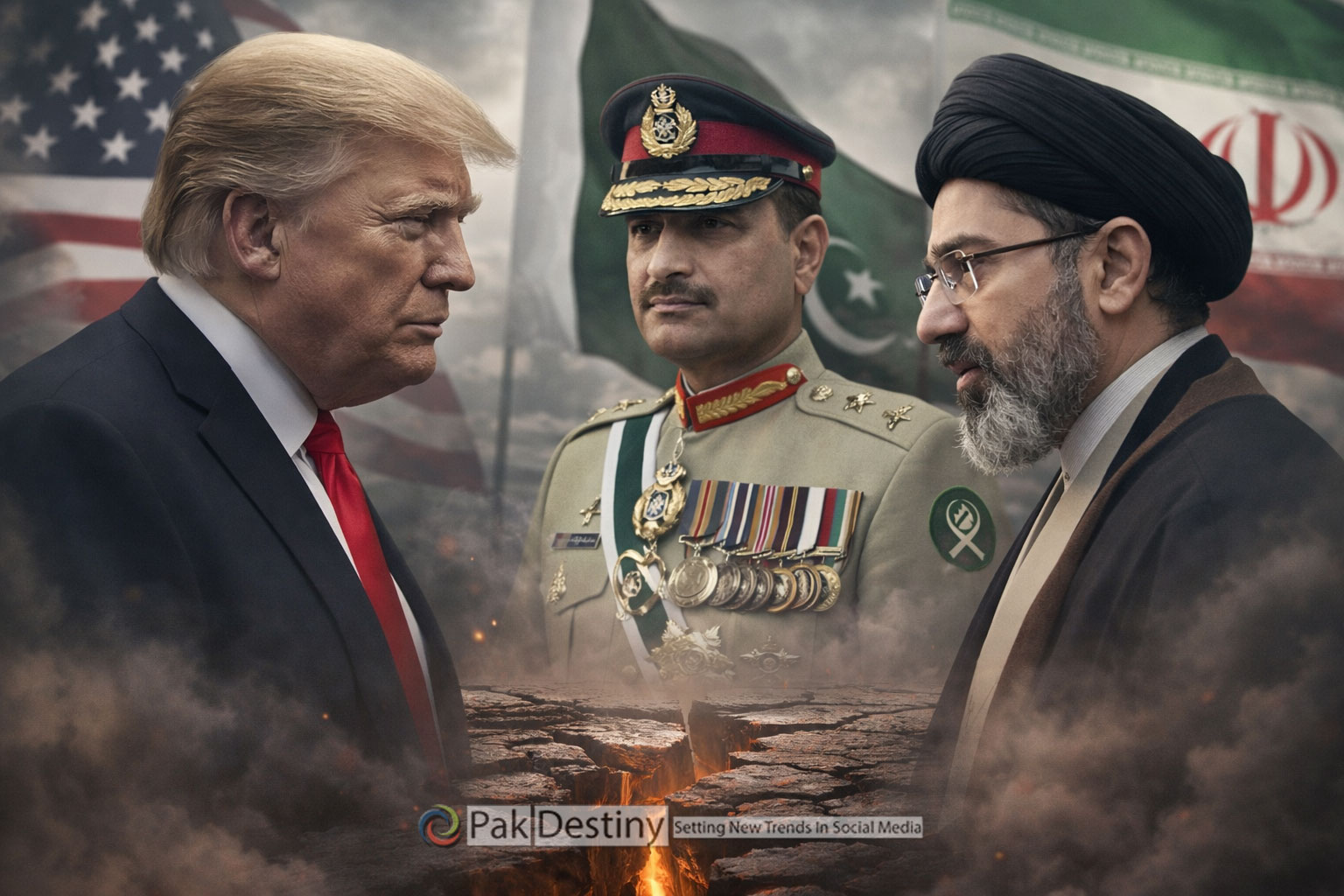
Pakistan’s Field Marshal Syed Asim Munir has arrived in Iran as part of Islamabad’s intensifying diplomatic push to broker what is increasingly being described as a potential “big deal” between the United States and Iran.
His visit underscores Pakistan’s growing role as a behind-the-scenes facilitator at a time when tensions in the region remain dangerously high.
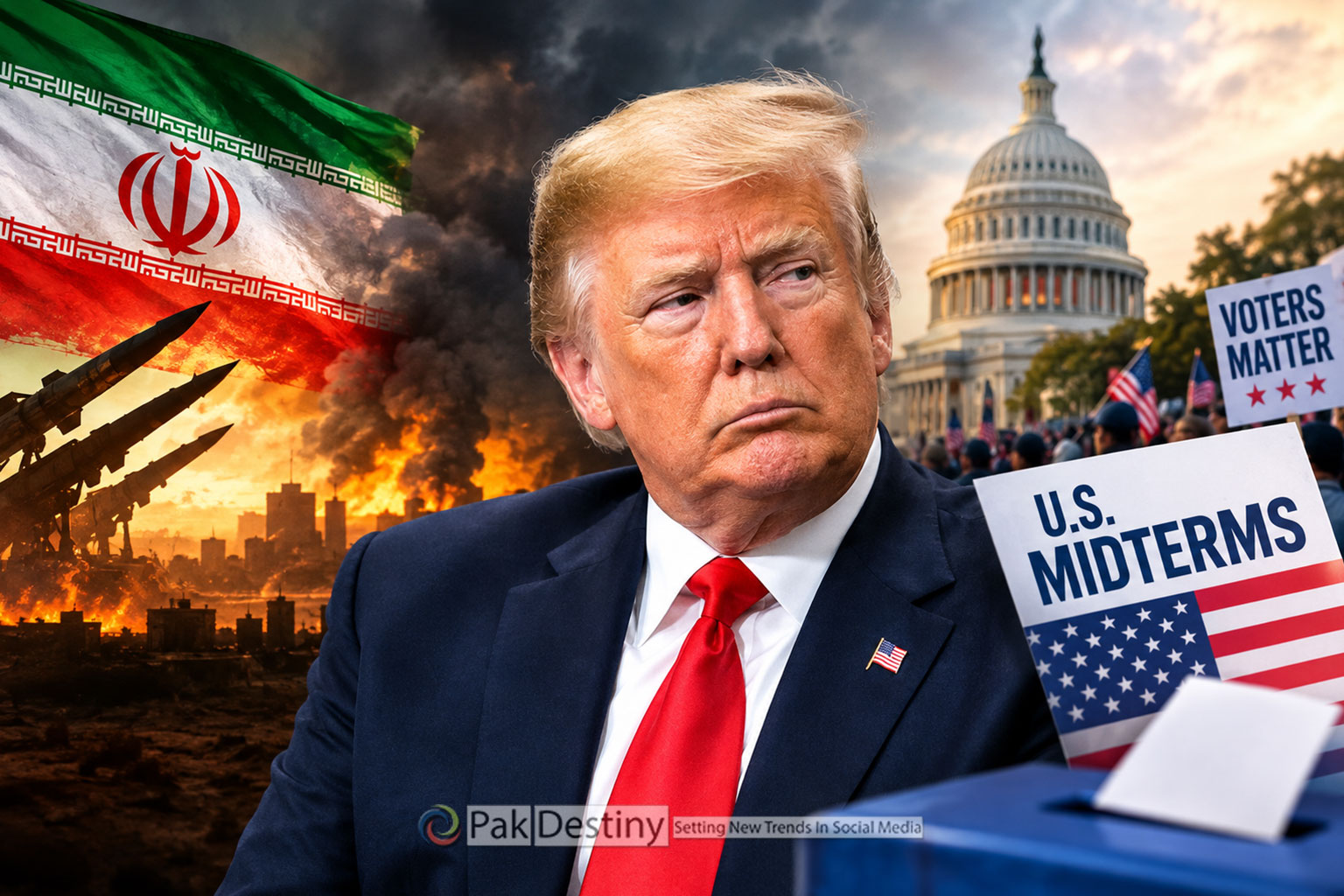
While speculation surrounding the outcome of US-Iran negotiations ranges from overly optimistic breakthroughs to catastrophic collapse, there are credible indications that both sides are still willing to re-engage. Reports suggest that another round of talks could take place as early as this week—possibly in Pakistan—highlighting Islamabad’s emergence as a neutral and trusted venue for high-stakes diplomacy.
Notably, former US President Donald Trump has himself hinted at the possibility of renewed engagement, reinforcing the idea that backchannel efforts are active.
Pakistani officials, led by Foreign Minister Ishaq Dar, have been working tirelessly with key global capitals to keep the dialogue alive. With the notable exception of Israel, most major international actors appear invested in preventing escalation and ensuring that negotiations succeed.
At the heart of the impasse lie two critical issues: Iran’s nuclear programme and the question of maritime security, particularly the freedom of navigation in the Strait of Hormuz. US Vice President J.D. Vance has publicly urged Tehran to demonstrate “flexibility” on its nuclear ambitions. However, several experts argue that Washington’s stance continues to mirror Israeli concerns, particularly regarding Iran’s alleged nuclear threat.
Despite this, Iran is believed to have already shown a degree of flexibility. Reports indicate that Tehran has considered significant concessions, including suspending aspects of its nuclear programme for up to five years and diluting its enriched uranium stockpile. Prior to the escalation in late February, even Oman’s foreign minister had suggested that an agreement was within reach—suggesting that diplomacy was not only viable, but close to success.
However, recent developments—especially US actions targeting Iran and the evolving situation in the Strait of Hormuz—have complicated the landscape. Washington’s reported attempts to impose pressure through maritime measures risk hardening Iran’s موقف rather than softening it. Such moves may empower hardline factions within Iran, undermining moderates who favor diplomacy and increasing the likelihood of renewed confrontation.
International reaction has also been mixed. China, for instance, has described US actions in the Strait as “dangerous and irresponsible,” reflecting broader concerns about escalation in a region critical to global energy supplies.
It is important to recognize that in the current conflict dynamic, Iran perceives the US and Israel as aggressors. Therefore, any meaningful confidence-building process will require Washington to demonstrate sincerity. This includes moving beyond rhetoric that echoes Israeli narratives about Iran’s nuclear intentions and alleged support for militancy.
For diplomacy to succeed, the United States must signal a genuine shift—ending policies that are viewed as encirclement, providing assurances against further military action, and engaging in realistic, achievable negotiations. At the same time, Iran must reciprocate by responding constructively to credible offers and maintaining openness to compromise.
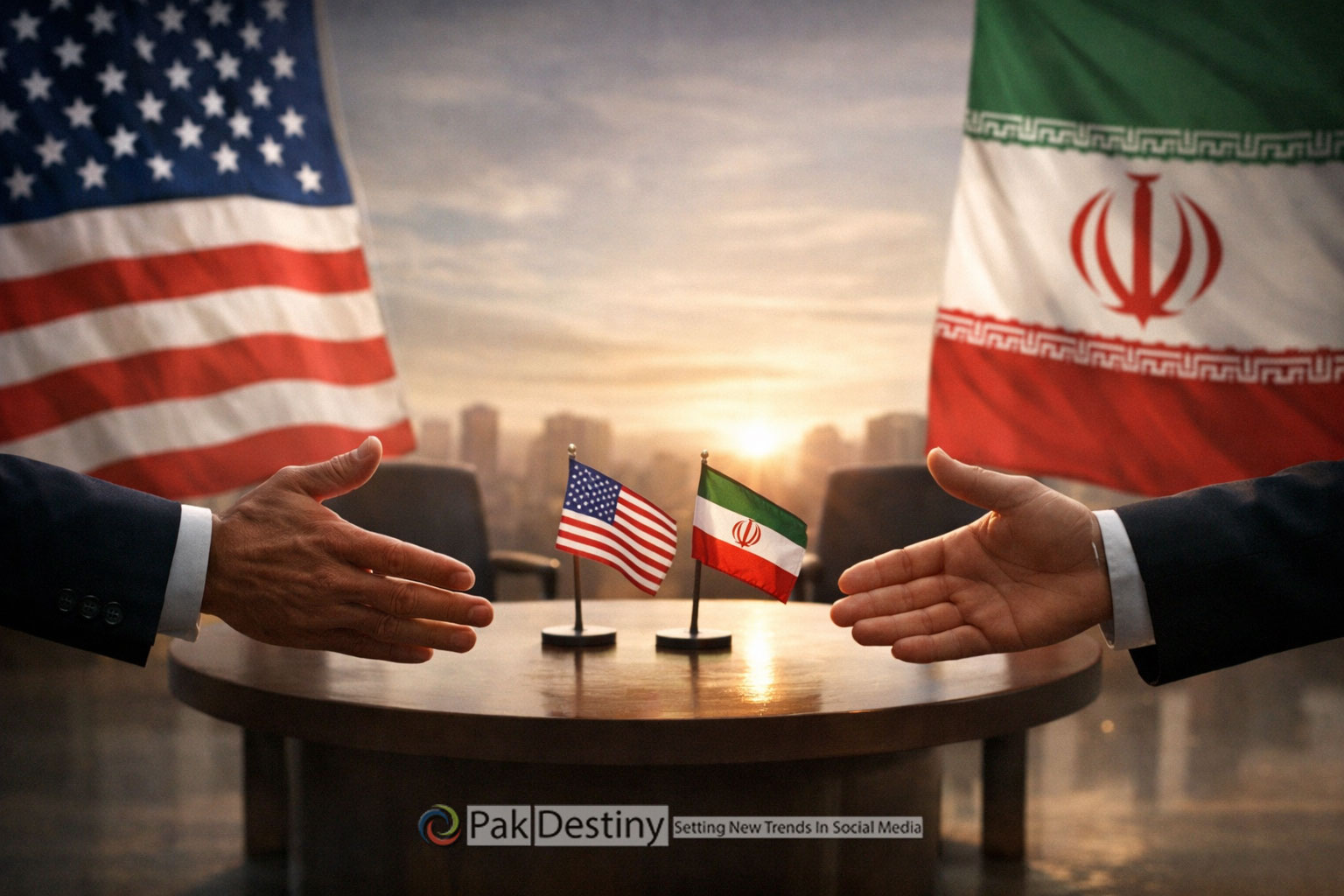
The coming days are likely to be decisive. With Pakistan playing a pivotal intermediary role, there remains a narrow but real window for diplomacy. If both sides can return to the negotiating table with pragmatism and political will, a balanced and sustainable agreement may still be within reach—one that not only stabilizes US-Iran relations but also contributes to broader regional and global security.