— Backchannel diplomacy, regional mediation and economic pressures are creating rare momentum for a possible US-Iran breakthrough
By Zulqernain
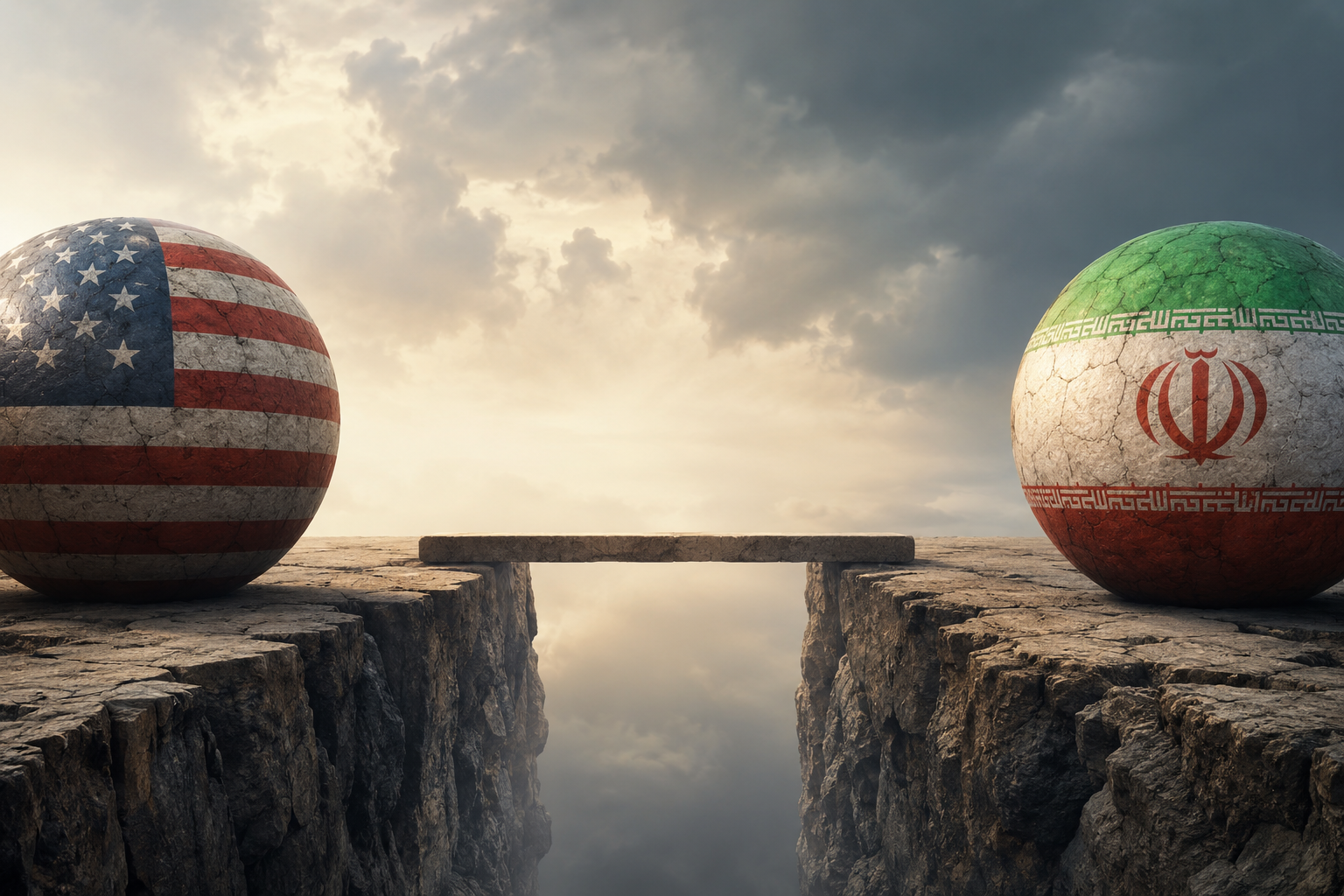
A fragile but increasingly visible diplomatic momentum is building between the United States and Iran, with multiple signs suggesting that Washington and Tehran may be inching closer to at least a limited understanding after months of confrontation, military threats and economic turmoil.
While officials on both sides continue to publicly project caution, the pace of mediation efforts, the language emerging from negotiators, and the growing involvement of regional actors indicate that a breakthrough — once considered improbable — is no longer being dismissed in diplomatic circles.
The latest round of indirect negotiations, mediated primarily by Oman and increasingly supported by Pakistan and Qatar, has produced what mediators describe as “significant progress”.
Diplomats familiar with the talks say discussions are now moving beyond exploratory exchanges toward technical arrangements — usually a sign that both sides see value in preserving diplomacy rather than preparing for immediate escalation.
At the centre of the negotiations lies a familiar but explosive issue: Iran’s nuclear programme and the future of its enriched uranium stockpile. The United States continues to demand guarantees that Tehran will never acquire nuclear weapons, while Iran insists on sanctions relief and recognition of what it calls its sovereign right to civilian nuclear enrichment.
Yet despite these longstanding disagreements, subtle shifts have emerged.
Omani mediators recently indicated that Iran had shown willingness to avoid stockpiling enriched uranium and convert portions of its existing material into fuel under international monitoring arrangements.
Though Tehran has not publicly accepted all American demands, such signals are being interpreted in Western diplomatic circles as an attempt to create room for compromise without appearing politically weak at home.
The talks are unfolding against the backdrop of one of the most dangerous periods in US-Iran relations in years. Military threats, attacks linked to regional proxies, fears surrounding the Strait of Hormuz, and unprecedented economic pressure had pushed the region close to a wider conflict.
Now, however, several powerful incentives are nudging both sides back toward diplomacy.
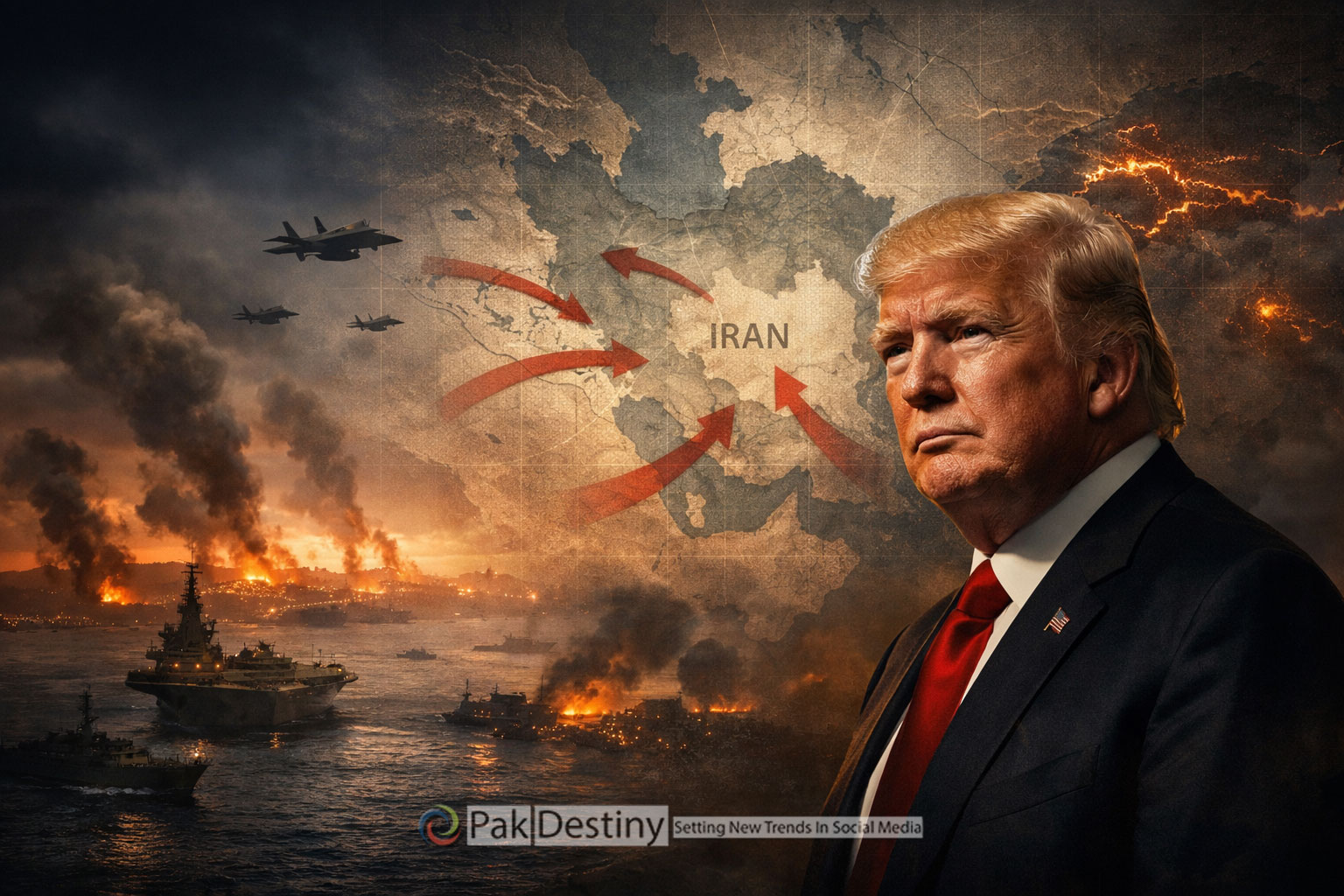
For Washington, soaring global energy prices and fears of another Middle Eastern conflict during an already volatile election cycle have increased pressure on the White House to avoid military escalation. Reuters reported that President Donald Trump is weighing diplomacy carefully as energy markets remain unsettled and Gulf allies push for restraint.
Iran, meanwhile, faces deep economic strain from sanctions, currency instability and growing domestic fatigue after years of isolation. Tehran also understands that a prolonged confrontation with the United States and Israel could further damage its economy and regional standing.
Regional diplomacy has become unusually active.
Pakistan’s role, in particular, has drawn attention in recent weeks. Field Marshal Asim Munir visited Tehran amid reports that Islamabad is helping facilitate communications between rival camps.
Diplomatic sources suggest Pakistan has attempted to position itself as a stabilising intermediary capable of speaking to Washington, Tehran, Beijing and Gulf capitals simultaneously.
Qatar and Oman have also intensified shuttle diplomacy, particularly concerning the future of the Strait of Hormuz — the world’s most strategically sensitive oil transit route.
Still, the path toward a comprehensive agreement remains highly uncertain.
American officials continue to insist that major gaps persist over uranium enrichment, missile capabilities and verification mechanisms.
Iranian negotiators, meanwhile, accuse Washington of shifting demands and failing to provide credible guarantees regarding sanctions relief.
The deep mistrust is rooted in history.
Iranian officials continue to cite the American withdrawal from the 2015 nuclear deal — formally known as the Joint Comprehensive Plan of Action (JCPOA) — as proof that Washington cannot be trusted to honour long-term commitments.
Many hardliners inside Iran also fear that any compromise could be portrayed domestically as surrender under pressure.
At the same time, influential voices in Washington and Israel remain deeply sceptical of Tehran’s intentions and argue that Iran may simply be buying time to preserve its nuclear capabilities.
Yet even amid these divisions, the atmosphere surrounding the talks has changed noticeably.
The repeated use of phrases such as “significant progress”, “technical discussions”, “memorandum of understanding”, and “within reach” by mediators and negotiators has fuelled cautious optimism across diplomatic circles.
Analysts say the emerging framework may not initially resemble a grand historic accord. Instead, it could begin with a limited interim arrangement: extending ceasefires, reducing military tensions in the Gulf, freezing parts of Iran’s nuclear activity, and gradually easing selected sanctions in exchange for enhanced monitoring.
Such an arrangement would fall short of a full reset in relations between the two adversaries.
But after years of escalating hostility, even a temporary stabilisation could reshape regional politics, calm global energy markets and reopen channels that many believed had permanently collapsed.
For now, diplomacy remains alive — fragile, contested and uncertain — but perhaps closer to success than at any point in recent months.