— China oolls out Red Carpet for Trump as US seeks deals on trade, Iran and strategic
By Irum Saleem
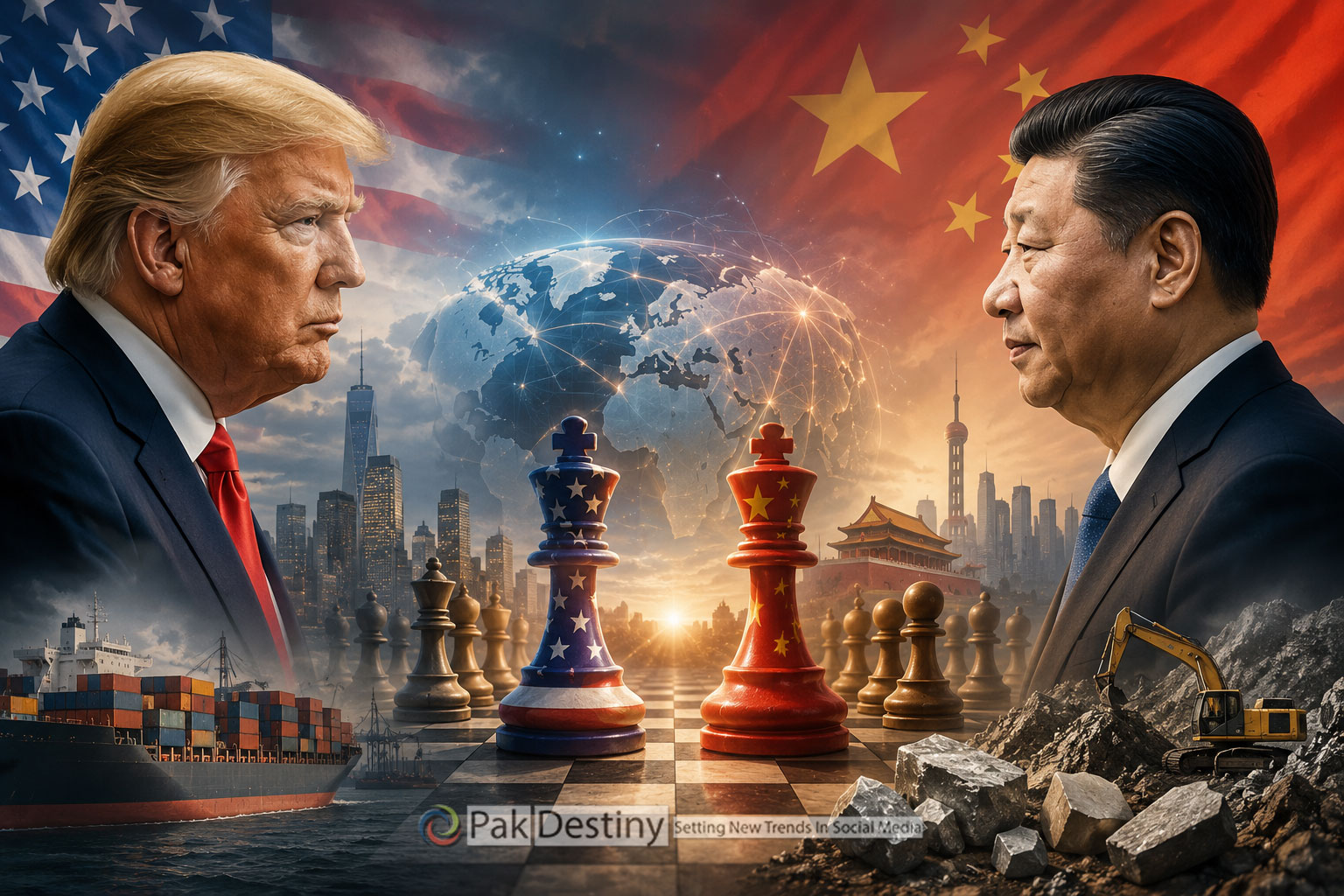
The visit of Donald Trump to China is being viewed globally as one of the most consequential diplomatic engagements in recent years.
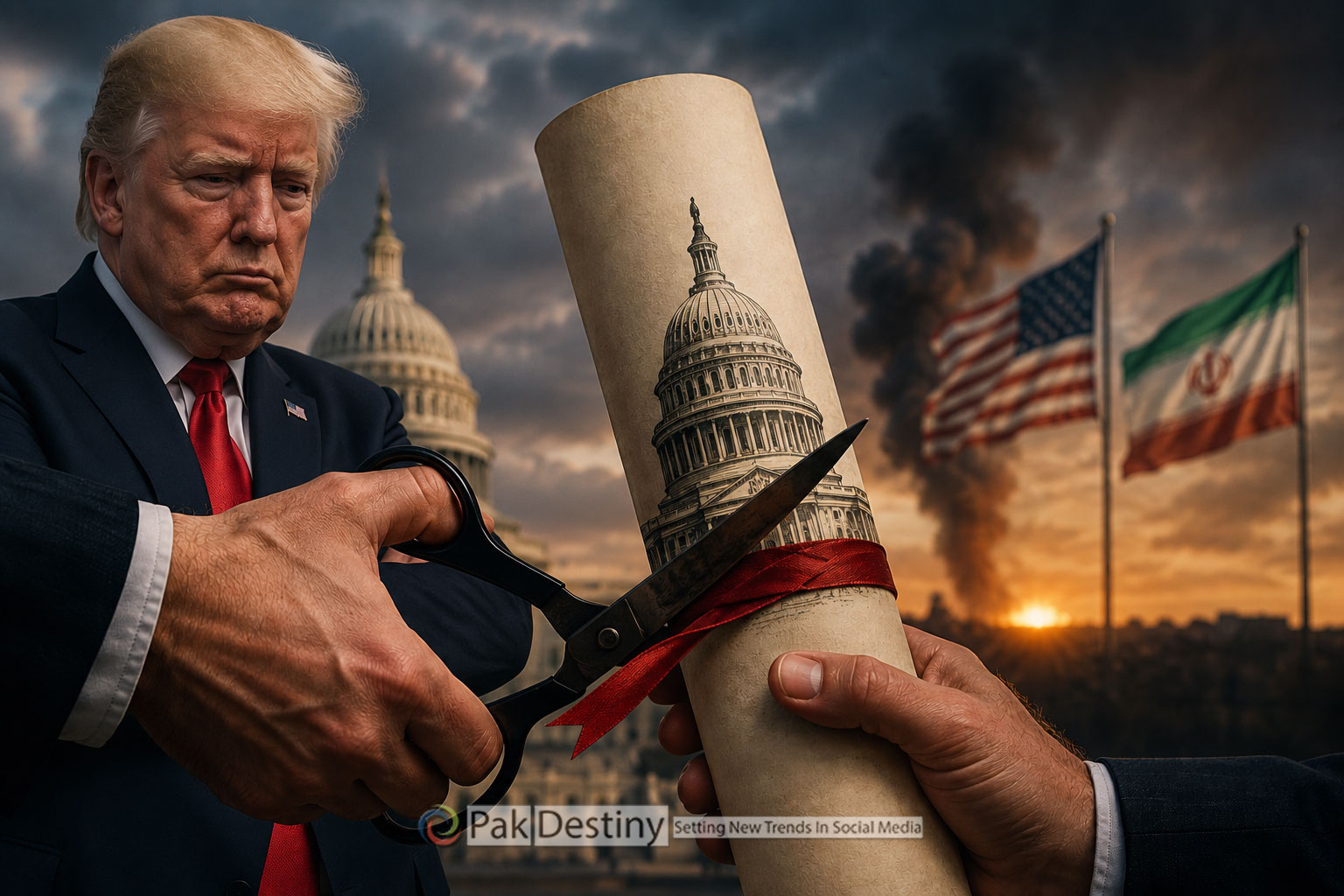
The visit comes at a time when relations between the two powers remain tense over trade wars, technology restrictions, Taiwan, the South China Sea, Ukraine, and the growing conflict surrounding Iran and the Middle East.
Why the Visit Matters
The United States and China are the world’s two largest economies, but they are also strategic rivals. Trump’s visit would not simply be ceremonial; it could determine the future direction of global politics, energy markets, military tensions, and international trade.
China has emerged as a major challenger to American dominance in technology, manufacturing, artificial intelligence, and global infrastructure projects. Meanwhile, the US continues efforts to contain China’s rise through sanctions, export controls, and alliances in Asia.
Against this backdrop, Trump’s engagement with Chinese leadership could either reduce tensions or deepen geopolitical competition.
Why China May Roll Out the Red Carpet
China traditionally gives extraordinary diplomatic treatment only when it sees strategic advantage. Beijing may welcome Trump warmly for several reasons:
Chinese leaders believe Trump is more transactional and deal-oriented than ideological.
Beijing may calculate that Trump prefers economic agreements over prolonged confrontation.
China wants stability in global trade because its economy is facing slowing growth and pressure from Western tariffs.
A high-profile visit projects China as a confident global power capable of engaging even its strongest rival.
China also seeks to influence Trump’s future policy direction on Taiwan, tariffs, and technology restrictions.
Chinese diplomacy often uses symbolism carefully.
Grand ceremonies, state banquets, and public displays of respect are designed to shape political psychology and create personal rapport with foreign leaders.
Iran Issue and China’s Message to America
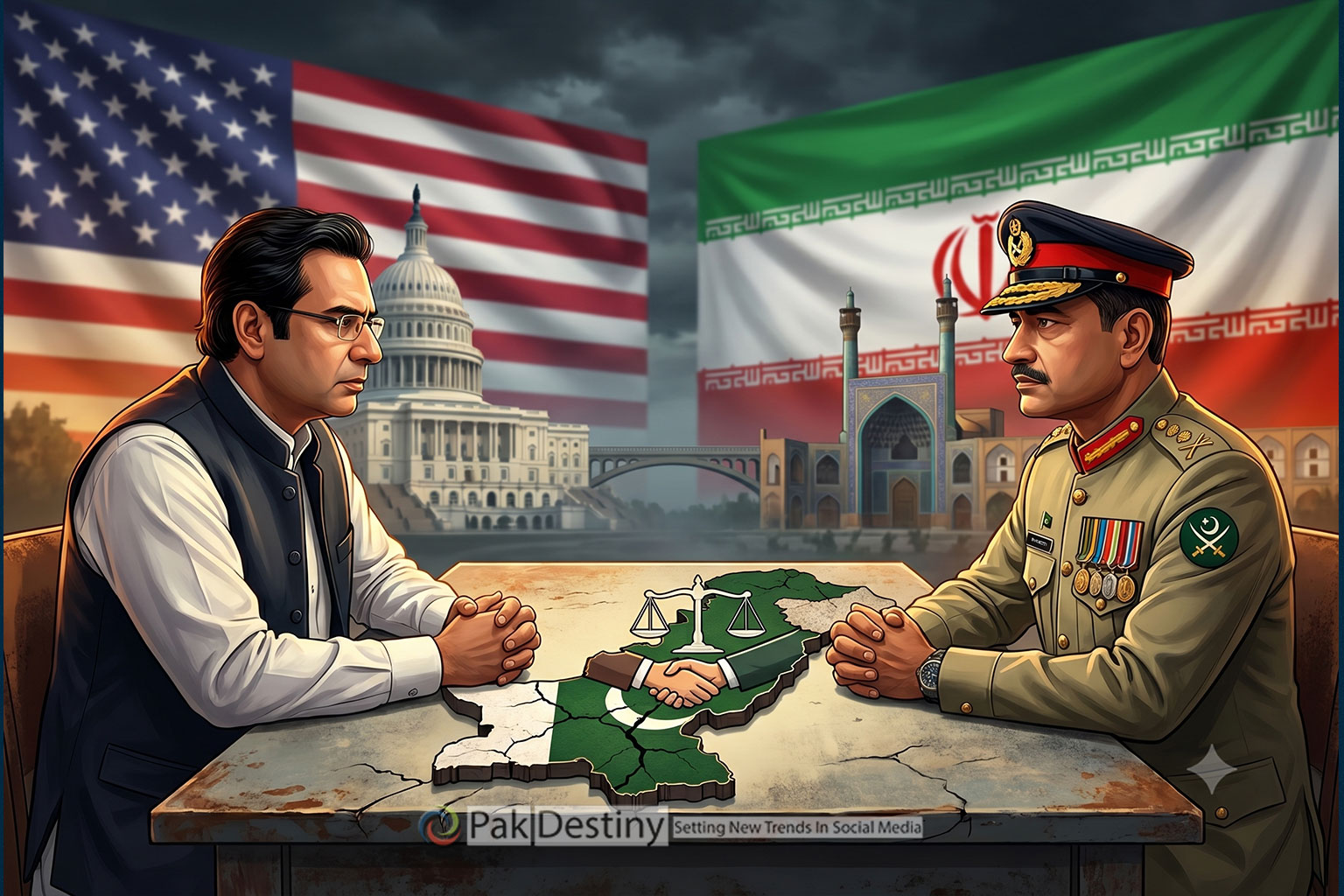
China has consistently opposed military escalation against Iran. Beijing’s likely message to Washington would include: Any war with Iran could destabilise global energy supplies.
Military confrontation would damage the world economy.
Sanctions and pressure campaigns are not long-term solutions.
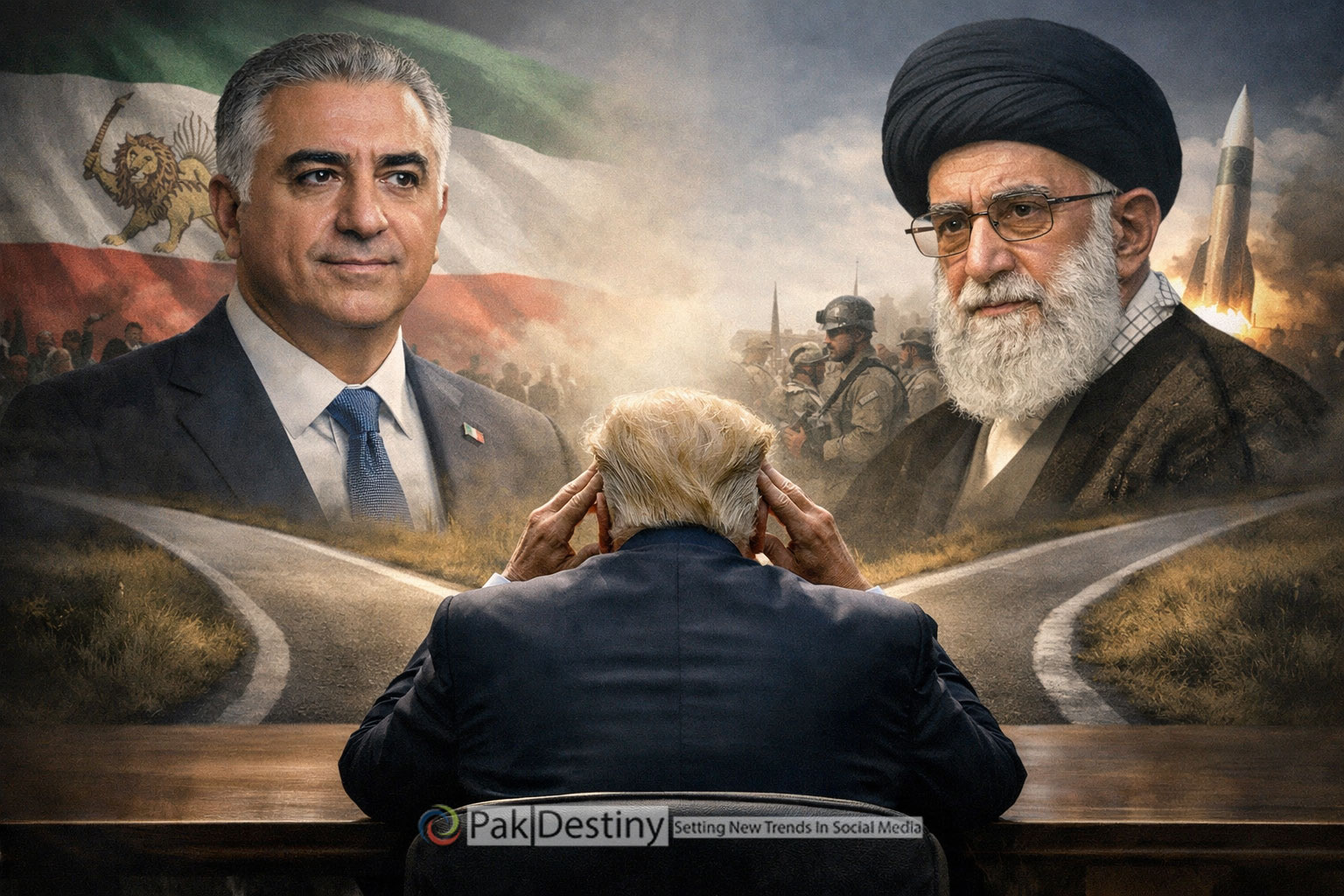
Diplomatic engagement is preferable to regime-change policies.
China expects freedom of oil shipments through Gulf waters.
China imports large quantities of energy from the Middle East and has invested heavily in Iran under long-term strategic agreements. Therefore, Beijing views stability in the Gulf as a core national interest.
Why Rare Earth Minerals Matter
One of the most critical issues between the US and China is rare earth minerals.
Rare earth elements are essential for:
Fighter jets
Missiles
Electric vehicles
Mobile phones
AI systems
Semiconductors
Wind turbines
Defence technology
China dominates global rare earth processing and supply chains. The United States fears that in a future confrontation, Beijing could restrict exports and disrupt American industries and military production.
Trump’s camp has repeatedly argued that America must reduce dependence on China for strategic minerals. However, rebuilding alternative supply chains takes years and enormous investment.
Strait of Hormuz as an “Atomic Bomb”
Strait of Hormuz is often described strategically as an “economic atom bomb” because nearly one-fifth of global oil passes through this narrow waterway.
If conflict erupts and shipping is disrupted:
Oil prices could skyrocket globally.
Inflation could surge worldwide.
Asian economies dependent on Gulf oil would suffer heavily.
Western economies could enter recession.
Global stock markets may face severe instability.
Iran has repeatedly warned that if it is attacked or economically strangled, it could threaten shipping in the Strait of Hormuz. Even limited disruption there could shake the entire world economy within days.
Possible Outcomes of Trump’s China Visit
1. Temporary Trade Understanding
The two sides may announce limited trade agreements, easing tariffs or increasing Chinese purchases of American goods.
2. Reduced Tensions Over Iran
China could quietly encourage diplomacy between Washington and Tehran to avoid a regional war that threatens oil supplies.
3. Strategic Competition Continues
Despite warm public appearances, deep rivalry over technology, military influence, and global leadership is unlikely to disappear.
4. Taiwan Remains the Most Sensitive Issue
China will strongly oppose any US military or political support for Taiwan. This issue could still trigger future crises.
5. Global Markets React Positively
Any sign of stability between Washington and Beijing could calm investors and improve global economic confidence.
6. No Major Breakthrough
The visit could ultimately produce symbolism rather than structural change, with both sides merely managing tensions rather than resolving them.
Broader Geopolitical Significance
The visit reflects a changing world order where China is no longer merely an economic competitor but a geopolitical centre of power challenging American influence across Asia, Africa, the Middle East, and even Europe.
For many countries, especially in the developing world, the outcome of US-China relations will shape:
Energy prices
Trade routes
Technology access
Currency systems
Security alliances
Global economic growth
The Trump-China engagement therefore goes far beyond diplomacy; it represents a contest over the future balance of power in the 21st century.