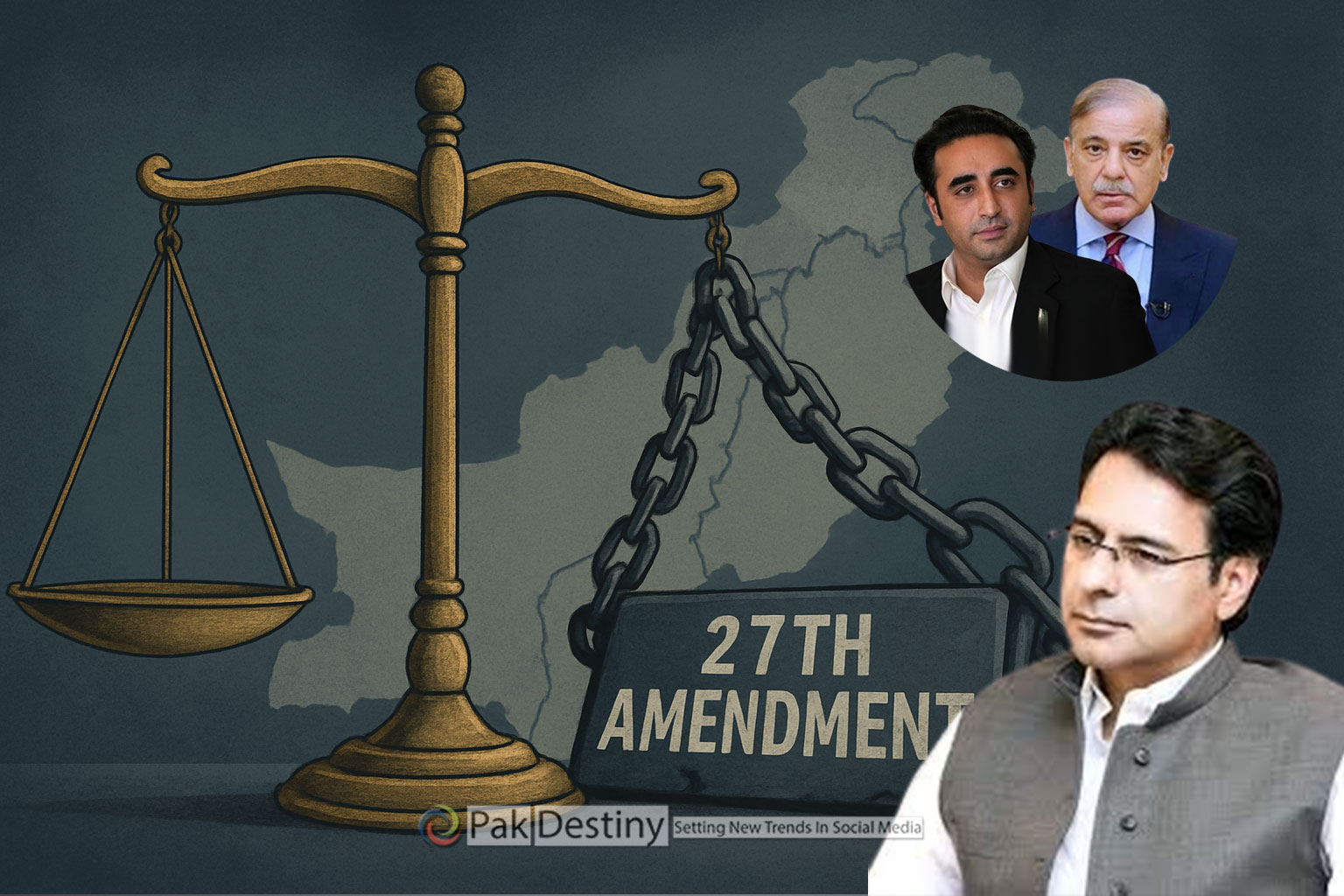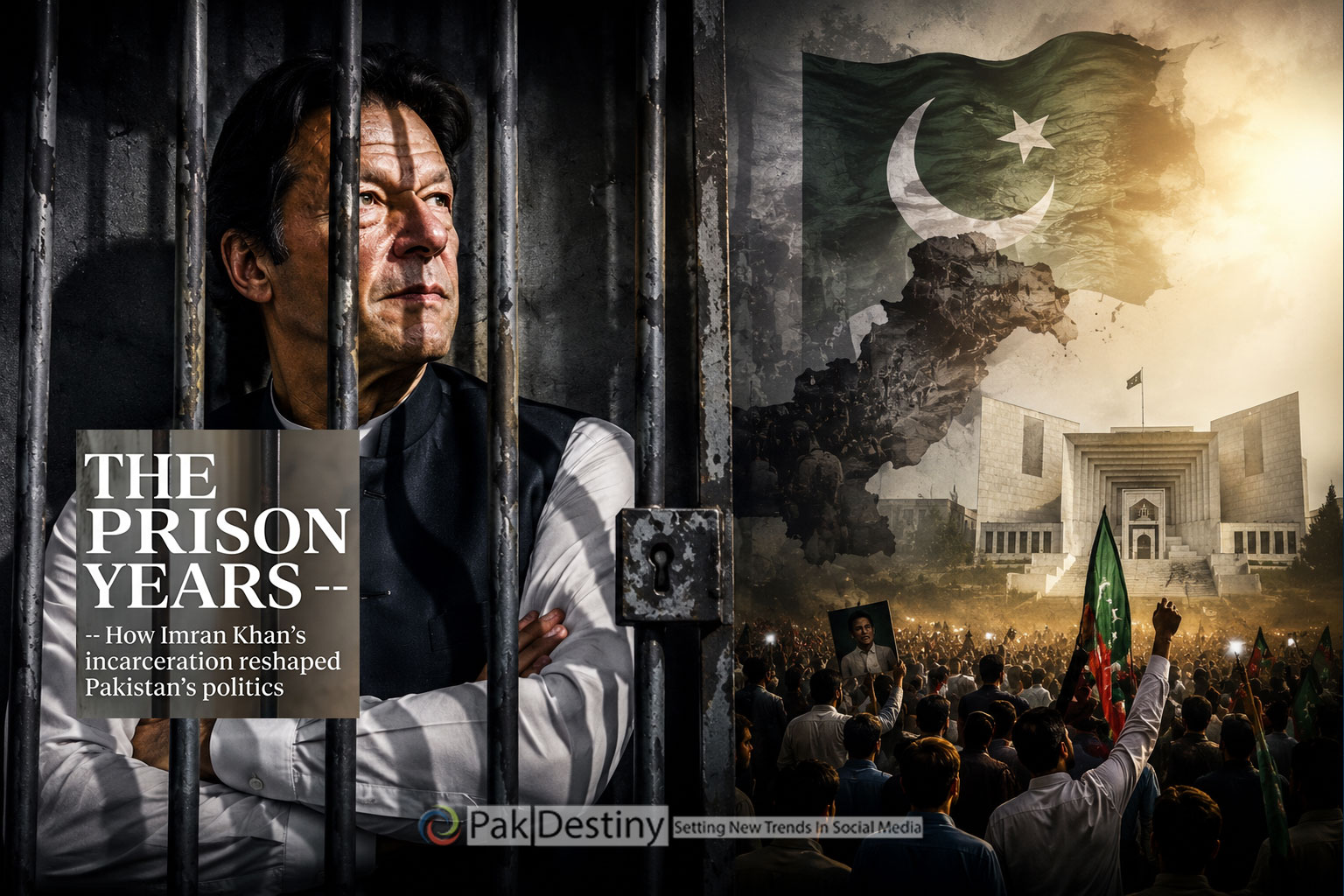
—PTI leader Moonis Elahi says the nation stands with Kaptaan Imran Khan
—Three years after his arrest, the former prime minister continues to dominate the national conversation, exposing enduring political and institutional fault lines
By Irum Saleem
The morning broke over the capital in its familiar winter hush, but for many across Pakistan, it carried a heavier weight — marking three years since former prime minister Imran Khan was first taken into custody, a moment that has since grown into one of the most defining and divisive chapters in the country’s modern political history.
وزیراعظم عمران خان کی غیرقانونی قید کے تین سال۔۔ ناانصافی، ظلم اور فاشزم بمقابلہ سچائی، بہادری اور قربانی۔ #KhanIllegallyJailed3Years
— Moonis Elahi (@MoonisElahi) August 5, 2026
وزیراعظم عمران خان کی غیرقانونی قید کے تین سال۔۔ ناانصافی، ظلم اور فاشزم بمقابلہ سچائی، بہادری اور قربانی۔ #KhanIllegallyJailed3Years
— Moonis Elahi (@MoonisElahi) August 5, 2026
From the narrow lanes of Lahore to the digital corridors of X (formerly Twitter), the anniversary of his imprisonment unfolded less like a date on the calendar and more like a national reckoning. For supporters, it was a day of remembrance and defiance; for critics, a reminder of accountability and the rule of law. For Pakistan at large, it was yet another reflection of a political story still far from its final page.
3 years of arbitrary detention, solitary confinement, inhumane prison conditions, no fair trial, no adequate medical treatment, loss of vision in one eye, incommunicado for 8 months – @Kasim_Khan_1999 and @sayedzbukhari talk to CNN’s chief international anchor @amanpour about the…
— PTI (@PTIofficial) August 5, 2026
CNN کی صحافی @amanpour کے الفاظ:”عمران خان پاکستان کے سب سے زیادہ پہچانے جانے والے اور مقبول ترین عوامی رہنماؤں میں سے ایک ہیں، اور مسلسل غیر حاضر رہنے کے باوجود ان کی عوامی مقبولیت قائم ہے“ #KhanIllegallyJailed3Years pic.twitter.com/gKkDcwsEnI
— Jibran Ilyas (@agentjay2009) August 5, 2026
Khan, who was arrested in 2023 amid a cascade of legal cases that his party, Pakistan Tehreek-e-Insaf (PTI), has consistently described as “politically motivated,” remains behind bars as proceedings continue across multiple courts.
His detention has not only reshaped his party’s trajectory but has also redrawn the contours of Pakistan’s political landscape, deepening existing fault lines over civil-military relations, judicial independence, and the fragility of democratic continuity.
ناطق ریحان صاحب پر صحافتی ذمہ داریوں کی ادائیگی کے دوران تشدد اور گرفتاری کسی صورت قابل برداشت نہیں۔ کل انشا اللہ ناطق ریحان سے ملاقات کی کوشش کروں گا۔ ناطق ریحان صاحب پر حملہ اس جابر نظام کا صحافت اور شرافت پر ایک اور حملہ ہے۔ https://t.co/mkQVDqwUlG
— salman akram raja (@salmanAraja) August 5, 2026
🚨اہم ترین
— Ahmad Hassan Bobak (@ahmad__bobak) August 5, 2026
وزیر اعلی سہیل آفریدی نے 27 ستمبر کو اسلام آباد لانگ مارچ کا اعلان کر دیا pic.twitter.com/bLbIybMShA
PTI senior leader and former federal minister Moonis Elahi said: “They may have taken away his freedom, but they could never break his resolve. They may have denied him comfort, but they could never diminish his courage. 1,100 days of imprisonment, yet he continues to stand taller than ever. Alhamdulillah.
Moonis further said the nation stands with Kaptaan Imran Khan. “A leader is measured not by the comfort of office, but by the courage to endure sacrifice for principle. The struggle for democracy, constitutional rule, and the people’s right to choose their future does not end with arbitrary detentions. It grows stronger. Imran Khan remains unbowed. And so does the hope of millions who refuse to surrender.”
As the day unfolded, PTI supporters turned to social media in large numbers, transforming timelines into spaces of memory and mobilisation. Hashtags such as #ThreeYearsOfInjustice and #ReleaseImranKhan trended throughout the day, accompanied by old campaign videos, photographs from rallies, and messages that blended nostalgia with resolve.
One PTI supporter wrote on X:
“Three years, countless cases, but the nation still remembers who stood for sovereignty and the rule of law. History will decide everything. #ImranKhan”
Another user posted:
“No matter how long they keep him behind bars, the idea of Imran Khan is free in every corner of Pakistan. #ThreeYearsOfInjustice”
Within PTI’s leadership circles, the tone remained defiant yet restrained, with senior figures reiterating long-held claims that the legal proceedings lack transparency and due process. A party spokesperson said in a post:
“Three years of imprisonment without fair political space is a dark chapter for democracy. We demand justice through constitutional means.”
Outside the party’s echo chamber, however, a different narrative persisted. Government supporters and political opponents of PTI maintained that the judicial process must be allowed to run its course without political interference, stressing that Khan’s cases remain sub judice and should be decided strictly within the framework of law.
A political analyst, observing the online discourse, noted:
“Three years of Imran Khan in jail has not diminished his political relevance. If anything, it has intensified Pakistan’s polarisation and kept PTI at the centre of national politics.”
Meanwhile, international observers and rights advocates have periodically voiced concerns over political freedoms, due process, and the broader democratic environment in Pakistan. State institutions, however, continue to assert that all proceedings are being conducted in accordance with the Constitution and the law.
As night settled over Islamabad, the debate showed no sign of fading. On screens, in drawing rooms, and across political talk shows, Imran Khan’s imprisonment remained more than a legal matter — it had become a story of competing truths, unresolved tensions, and a nation still searching for equilibrium in its democratic journey.