By Irum Saleem
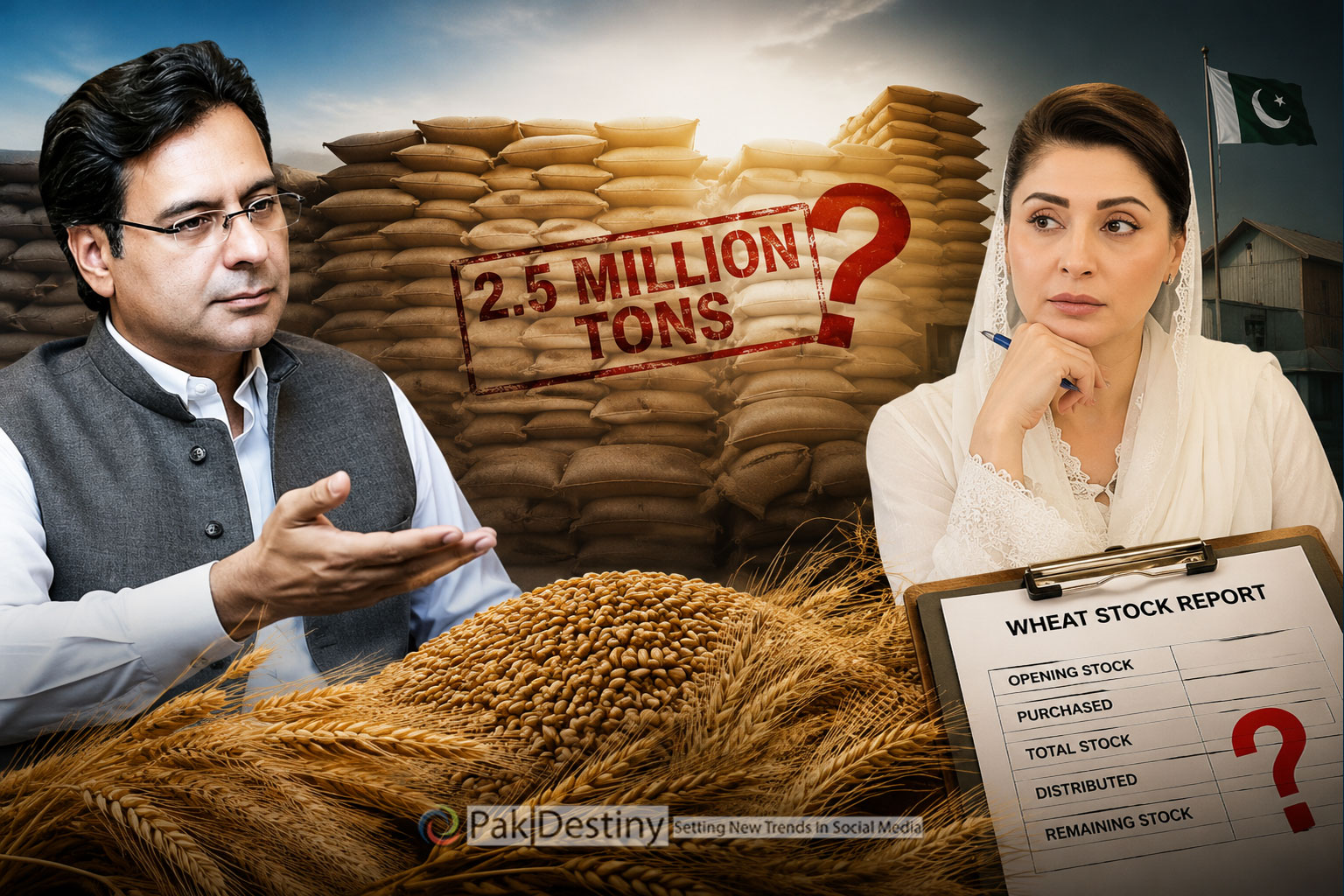
Pakistan Tehreek-i-Insaf (PTI) senior leader and former federal minister Moonis Elahi has questioned the Punjab government’s wheat procurement arrangements, alleging a huge discgap between the province’s procurement target and the quantity reflected in official records.
آج لاہور بارش اور #MadamThiefMinister کی نالائقیوں میں ڈوب گیا۔ سڑکیں دریا، انڈر پاس جھیلیں اور گھر جزیرے بنے ہوئے تھے لیکن میڈیا پر بار بار جھوٹ چلایا جا رہا تھا کہ "ایک گھنٹے میں پانی نکال دیا گیا"۔ پتا نہیں یہ کون سا پانی تھا؟
— Moonis Elahi (@MoonisElahi) July 23, 2026
In a post on social media on Tuesday, Moonis Elahi said that Punjab had set a target of procuring three million tonnes of wheat but that government records showed only around 500,000 tonnes in stock.
“Where did the remaining 2.5 million tonnes go?” he asked, sarcastically suggesting that the wheat might have been “eaten by rats” or taken by the 11 companies involved in the provincial procurement programme.
پٹرولیم پروڈکٹس کی قیمتوں میں روزانہ اضافہ۔ لگتا ہے شوبازشریف کو ڈاکٹروں نے عوام سے "شبانہ روز" گالیاں کھانے کا مشورہ دیا ہے۔
— Moonis Elahi (@MoonisElahi) July 24, 2026
He also accused the provincial government of mismanagement and alleged that the “Patwari gang” was looting the country, drawing a parallel with his criticism of the government’s handling of petrol supplies.
The allegation comes amid continuing controversy over Punjab’s decision to shift from the traditional government-led wheat procurement model to a system relying substantially on private-sector aggregators.
پنجاب میں 30 لاکھ ٹن گندم کا ہدف مگر سرکاری ریکارڈ میں صرف 5 لاکھ ٹن موجود۔ باقی 25 لاکھ ٹن کون کھا گیا؟ چوہے یا #MadamThiefMinister کی 11 گندم خریداری کی کمپنیاں؟ پہلے پٹرول اب گندم، پٹواری گینگ دونوں ہاتھوں سے پاکستان لوٹنے میں مصروف۔
— Moonis Elahi (@MoonisElahi) July 27, 2026
Under the 2026 procurement strategy, the Punjab government had planned to procure up to three million tonnes of wheat through private companies. Eleven firms were prequalified for the exercise, with the government intending to have them purchase wheat directly from farmers and store it in government warehouses.
However, the new mechanism faced difficulties soon after its launch. A report said private firms were struggling to procure wheat because of financing problems, disagreements over pricing and resistance from farmers. The government had offered support to participating firms, including assistance in securing bank financing, bearing 70 per cent of markup costs and providing storage facilities in Food Department warehouses.
The Punjab government had fixed the procurement price at Rs3,500 per 40kg and Chief Minister Maryam Nawaz had ordered that payments to farmers be made within 72 hours. The government also announced free gunny bags for registered growers and said wheat would initially be purchased on a priority basis from Kissan Card holders.
Earlier, the provincial government had described the three-million-tonne target as part of its strategy to build strategic reserves and stabilise the wheat market. The policy envisaged private-sector procurement alongside government-to-government arrangements.
The procurement drive, however, reportedly fell significantly short of expectations. Data available by the end of May showed that private aggregators had procured only about 160,000 tonnes, against a revised target of 860,000 tonnes at that stage and the original three-million-tonne target.
Moonis Elahi’s latest remarks therefore raise questions about the actual quantity of wheat procured, the quantity currently held in government-controlled stocks and the status of purchases made through the private companies.
His claim of a 500,000-tonne stock, however, should not be confused with the federal government’s separate 500,000-tonne Passco wheat stocks. In February, the Economic Coordination Committee had approved the sale of 500,000 tonnes from federal stocks held by Passco at revised reserve prices.
The controversy has also revived concerns about transparency in the new procurement mechanism, particularly over the role of private firms, the use of public warehouses and the government’s ability to ensure adequate strategic reserves.
The issue is politically sensitive for the Punjab government, as wheat procurement directly affects both farmers and consumers. While a higher procurement price can provide relief to growers, inadequate government-controlled stocks could create difficulties in maintaining market stability and meeting future demand.
Mr Elahi did not provide documentary evidence in his post to substantiate his allegation that 2.5 million tonnes of wheat had gone missing. The Punjab government’s official response to the allegation was not immediately available.
The dispute is likely to intensify calls for the provincial Food Department to disclose district-wise procurement figures, the quantity purchased by each of the 11 companies, wheat currently stored in government warehouses and the status of payments made to farmers.