By Zulqernain
The “final offer” for Iran remains on the table—but the window to accept it appears to be narrowing.
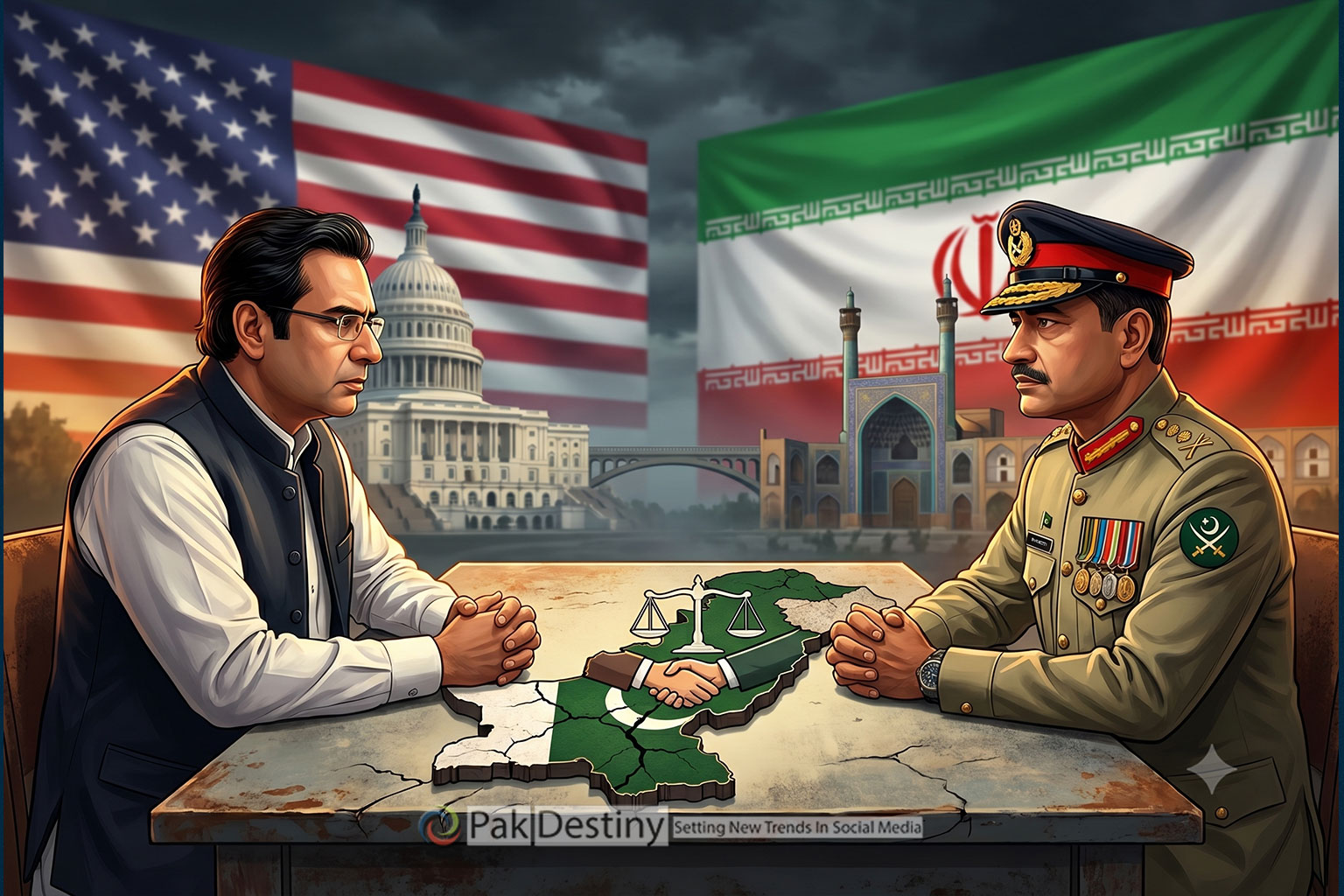
High-level “Islamabad Talks” between the United States and Iran concluded inconclusively in the early hours of Sunday, underscoring the deep mistrust and entrenched positions on both sides. Despite marathon negotiations stretching over an entire day and night, no breakthrough was achieved. Still, diplomatic channels have not been completely severed; backchannel contacts are reportedly continuing, suggesting that both sides are leaving the door slightly ajar for future engagement.
While many analysts had anticipated such an outcome given the complexity of the issues involved, there had been a lingering hope—however slim—for a diplomatic breakthrough. The global community watched closely, aware that the stakes extend far beyond bilateral tensions, potentially impacting regional stability and global energy security.
At around 6:30 a.m., U.S. Vice President JD Vance addressed the media, delivering what he termed “bad news.” He confirmed that no agreement had been reached, placing the onus squarely on Tehran. According to Vance, Iran had declined to accept Washington’s core conditions, particularly its demand for an unequivocal commitment that Iran would neither pursue a nuclear weapon nor retain the capability to rapidly develop one. Shortly after the briefing, Vance departed Islamabad for Washington, signaling at least a temporary pause in direct high-level engagement.
From Tehran’s perspective, however, the narrative differs significantly. Iran’s Parliament Speaker Mohammad Bagher Ghalibaf, who led the Iranian delegation, emphasized that his side had approached the talks with “forward-looking” proposals. He accused the United States of failing to build trust, a recurring theme in Iran’s diplomatic posture. In a post on X, Ghalibaf stated that while Washington now better understands Iran’s principles and strategic logic, the responsibility lies with the U.S. to demonstrate whether it can act in a manner that earns Tehran’s confidence.
Compounding tensions, former U.S. President Donald Trump announced that the United States Navy would initiate steps toward a potential blockade of vessels transiting the strategically vital Strait of Hormuz. Citing maritime security concerns and alleged Iranian threats to shipping lanes, the move—if implemented—could dramatically escalate the situation. The Strait of Hormuz remains one of the world’s most critical chokepoints for oil transport, and any disruption there carries serious global economic implications.
Veteran Dawn journalist Baqir Sajjad Syed offered a measured assessment of the situation, suggesting that if the current ceasefire holds, the immediate phase is likely to be characterized by a “cautious pause” rather than visible diplomatic progress. According to him, both sides appear to have primarily used the Islamabad round to clarify their positions rather than to negotiate final terms. Any substantive follow-up, he noted, would depend on internal policy recalibrations in both Washington and Tehran. Future diplomacy, if it continues, is expected to proceed quietly and incrementally—possibly through limited, confidence-building measures before any broader agreement is attempted.
However, the outlook could shift rapidly if the ceasefire collapses. In that scenario, Sajjad warns of a renewed cycle of escalation, with each side attempting to strengthen its negotiating leverage before returning to the table. Flashpoints such as the Strait of Hormuz or other regional theaters could serve as triggers for confrontation. Under such conditions, the already narrow space for diplomacy would shrink further, even if discreet backchannel communications remain active.
In essence, while diplomacy is not dead, it is fragile, tentative, and operating under the shadow of potential escalation. The coming days will be critical in determining whether the current pause evolves into a pathway for dialogue—or a prelude to renewed confrontation.